Unlocking the full potential of your compact abode requires a thoughtful approach to small living room design. It’s about creating a space that feels expansive and inviting, not cramped or cluttered.
Transforming a tiny living room is an art. We’ll explore expert considerations, from clever furniture choices to strategic layouts and color palettes, ensuring your small space decorating efforts yield a stylish, functional, and surprisingly spacious retreat.
1. Embrace Multi-functional Furniture
When designing a small living room, every piece of furniture must earn its keep. Opt for versatile items like an ottoman that doubles as a coffee table with hidden storage, or a sleek console table that can serve as a desk when needed.
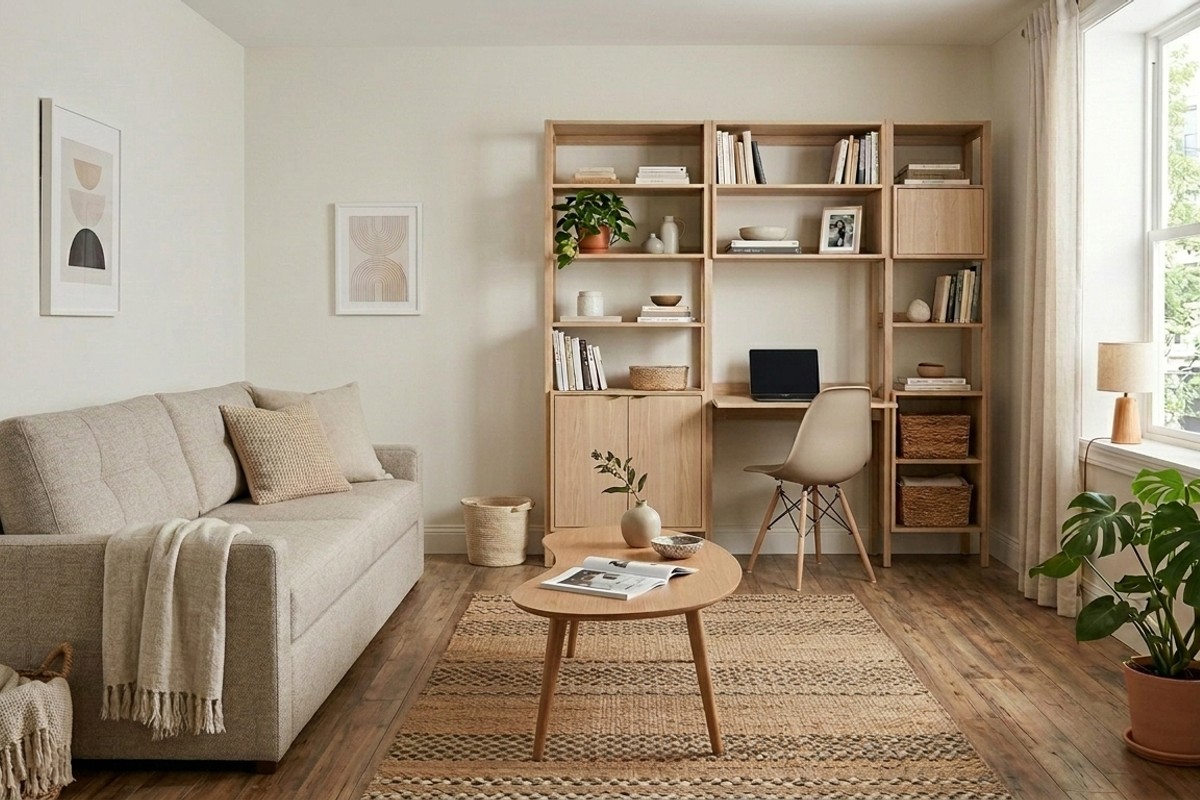
Think beyond traditional sofa sets. A sofa with a pull-out bed is excellent for guests, while modular sectionals can be reconfigured to suit various needs and maximize small living room flexibility. Consider wall-mounted shelving units with integrated desks to save precious floor space.
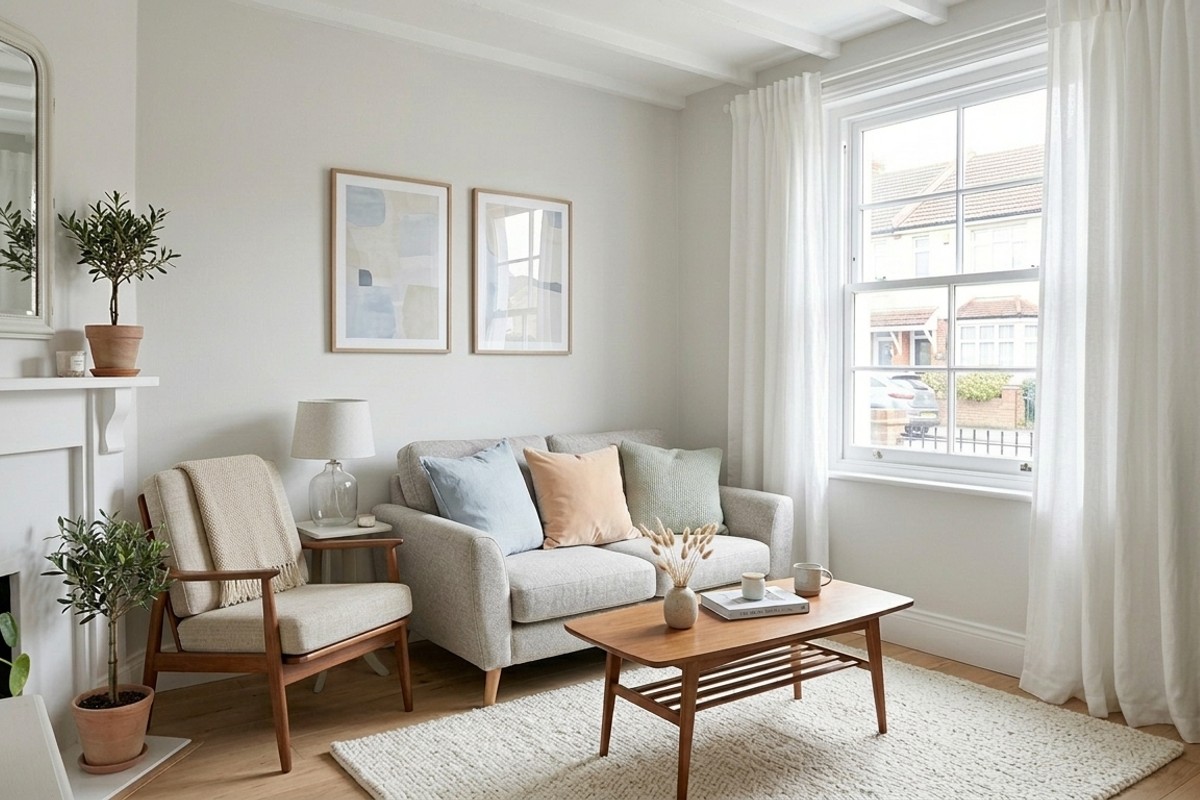
2. Prioritize a Light & Bright Color Palette
The easiest way to make a small living room feel larger is by embracing a light color scheme. Whites, off-whites like Sherwin-Williams’ “Pure White” (SW 7005), soft grays, and pale pastels reflect light, visually pushing walls outwards.
Layering various textures within a neutral palette adds depth without overwhelming the eye. Think about crisp linen curtains, a plush wool rug, and a matte finished paint on the walls. This creates a serene and open atmosphere, essential for tiny living room ideas.
3. Utilize Vertical Space Effectively
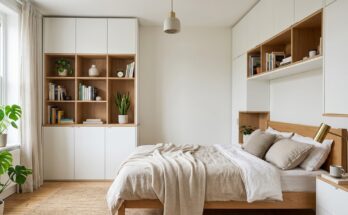
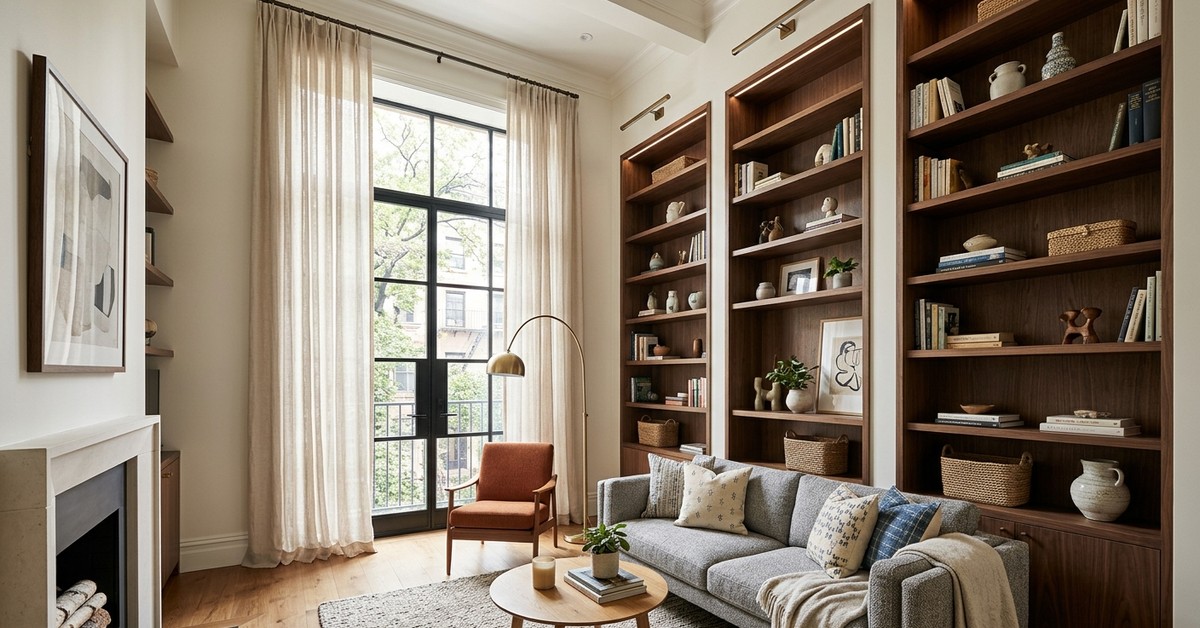
When horizontal space is limited, look up! Maximizing small living room potential often involves drawing the eye upwards, making the ceiling feel higher and the room more grand. Tall, narrow bookcases or floating shelves are perfect for display and storage.
Install floor-to-ceiling drapery to create an illusion of height, even if your windows are standard size. A statement piece of vertical art can also achieve this, adding character without taking up valuable floor area.
4. Master Strategic Lighting
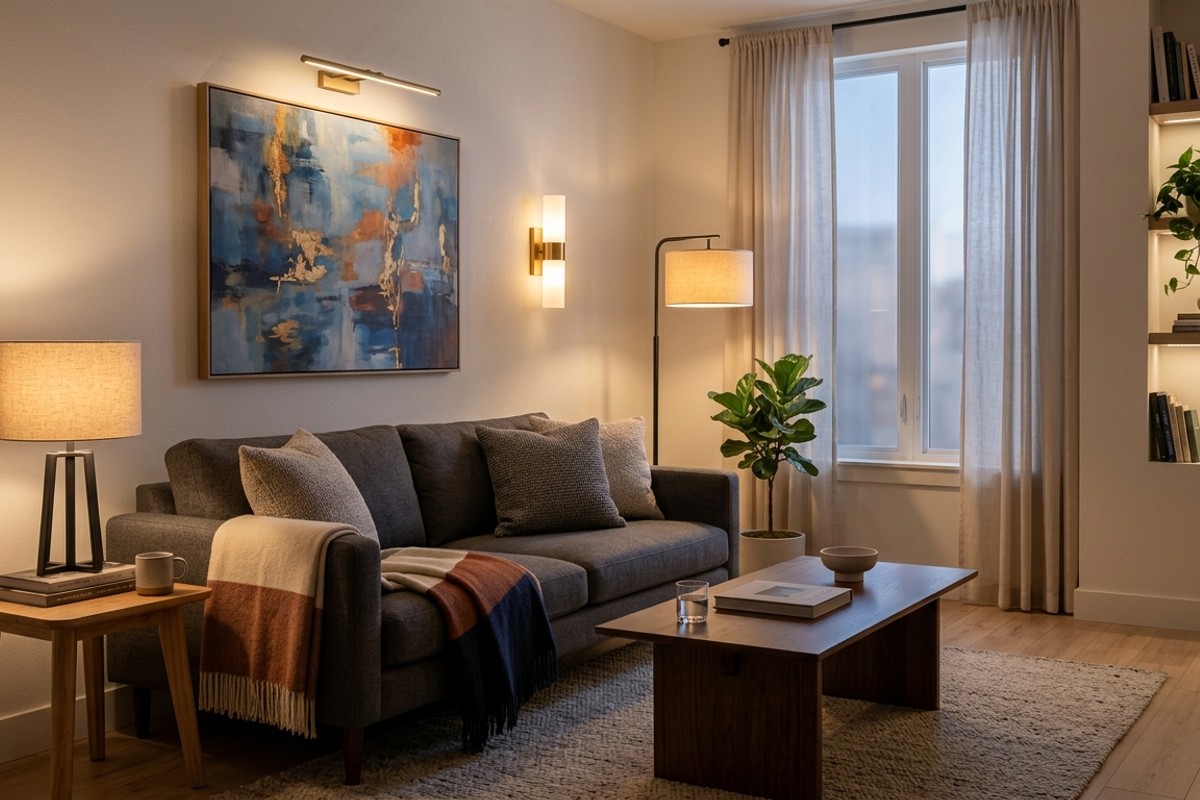
Thoughtful lighting can dramatically alter the perception of space in a small living room. Instead of a single overhead fixture, layer different types of lighting: ambient, task, and accent. This creates depth and eliminates dark corners that can make a room feel smaller.
Consider wall-mounted sconces or slim floor lamps with a small footprint. Incorporate task lighting with a chic table lamp beside your reading chair, and use accent lighting to highlight artwork, adding visual interest and expanding the perceived boundaries of the room.

5. Incorporate Mirrors & Reflective Surfaces
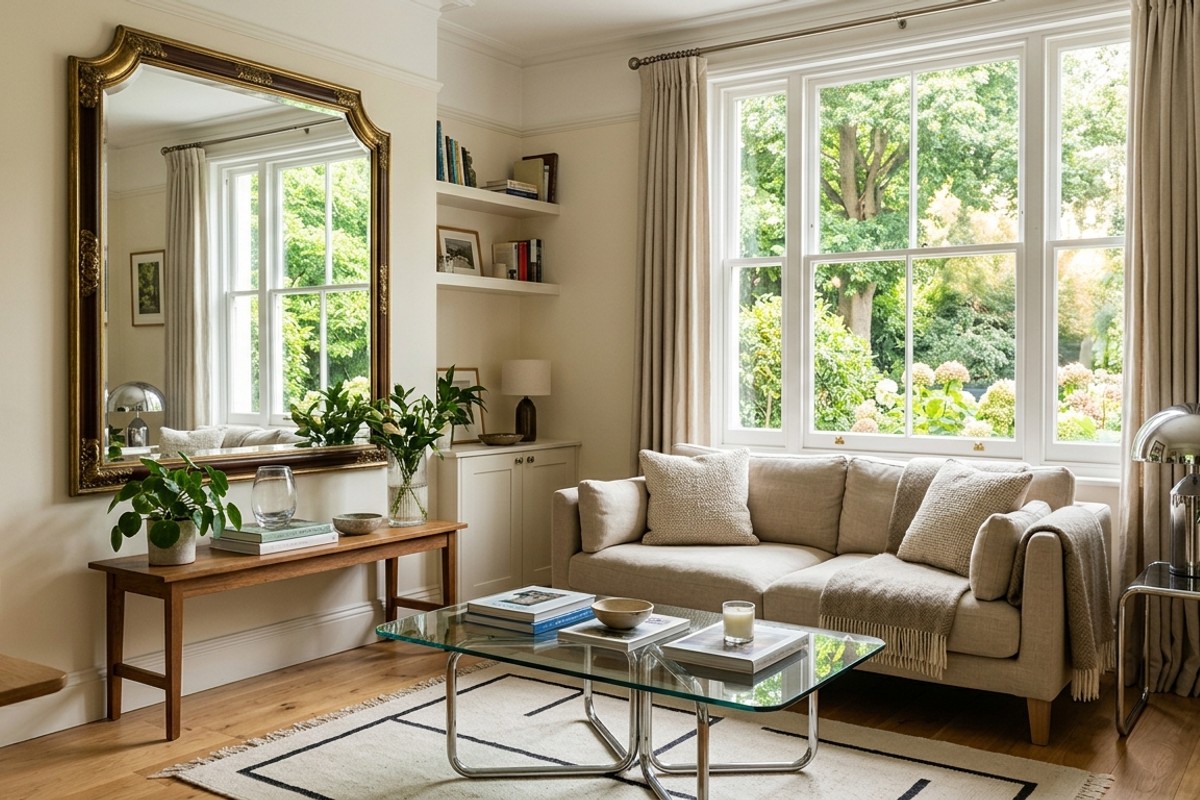
Mirrors are a designer’s secret weapon for small spaces. A large mirror strategically placed can bounce light around the room, making it feel brighter and doubling its perceived size. Position it opposite a window to reflect natural light and outdoor views.
Beyond mirrors, consider furniture with reflective elements such as glass tabletops, chrome accents, or lacquered finishes. These surfaces catch and reflect light, contributing to an open, airy feel and are key tiny living room ideas.
6. Choose Appropriately Scaled Furniture
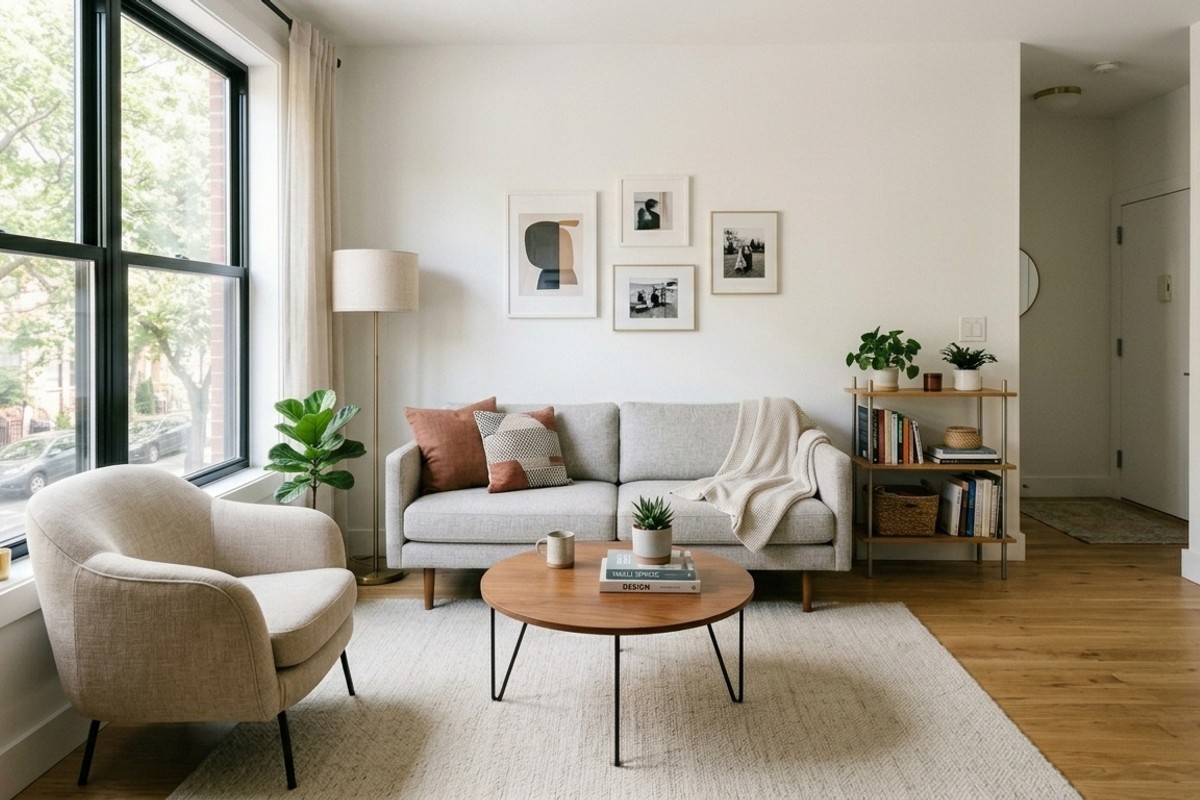
One of the biggest mistakes in small living room design is choosing furniture that is too bulky. Opt for pieces with slender profiles, exposed legs, and transparent materials to maintain an open feel. A sofa with an elevated base allows light to pass underneath, making the room seem lighter.
Prioritize proportion; a large, oversized sectional will overwhelm a tiny living room, regardless of its functionality. Look for armless chairs, settees, or love seats rather than grand sofas, ensuring your small living room furniture fits the space gracefully.
7. Create a Defined Layout & Flow
Even in a small living room, a clear layout is crucial for functionality and comfort. Arrange furniture to define specific zones, such as a seating area or a small reading nook, without blocking natural pathways. Keep the center of the room as open as possible to encourage flow.
A round coffee table can be more forgiving in a tight space than a rectangular one, preventing bumped shins. Position furniture slightly away from walls, even just an inch or two, to create breathing room and avoid a ‘cramped’ feeling, helping you maximize small living room potential.
Final Thoughts
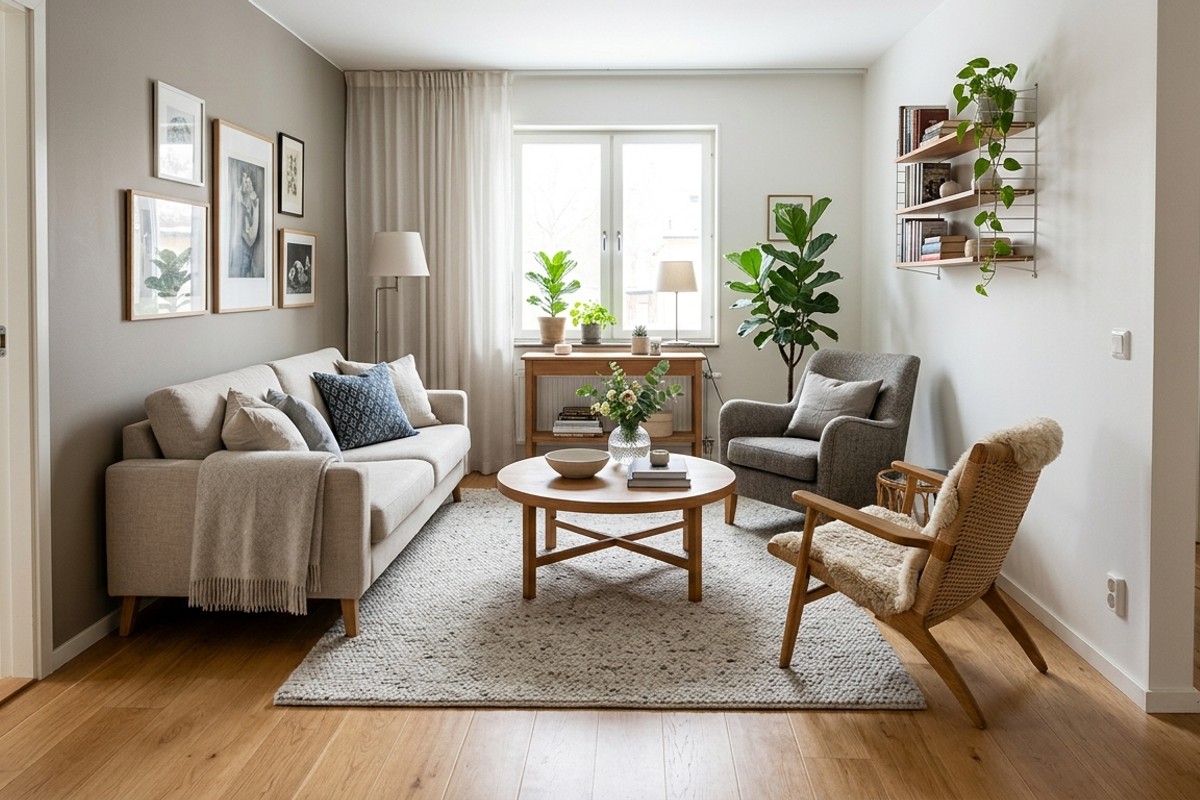
Designing a small living room is an exciting challenge that allows creativity to flourish. By implementing these considerations, your compact space can feel expansive, stylish, and incredibly inviting.
Which of these considerations will you incorporate into your home first? Share your favorite tiny living room ideas in the comments below!
Frequently Asked Questions
We hope you found your next Living Room inspiration!
Thanks for visiting us!