Crafting a home that reflects your values is easier than you think with mindful sustainable home design. It’s about making thoughtful choices that enhance your living space while minimizing your environmental footprint.
From choosing earthy, natural materials to embracing energy-efficient solutions, we’ll guide you through seven practical ways to infuse eco-friendly interior tips into your decor. Discover how conscious living spaces can be both beautiful and responsible.
1. Embrace Natural & Renewable Materials
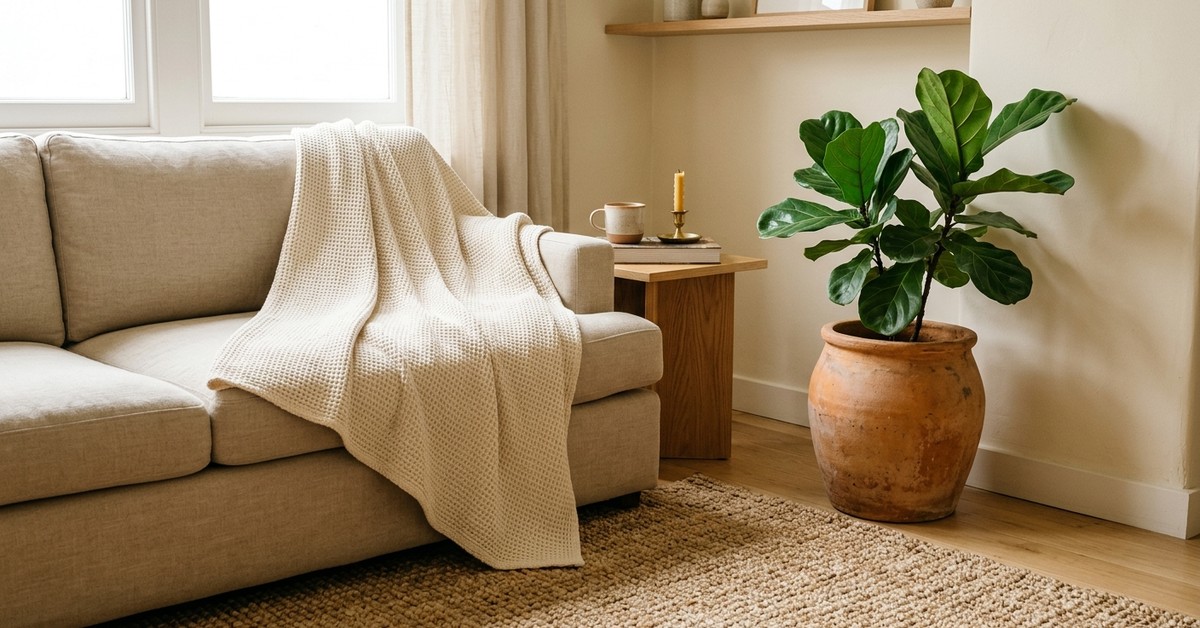
Begin your sustainable journey by selecting materials that are kind to the earth. Opt for furniture crafted from reclaimed wood, bamboo, or cork, known for their rapid renewability and unique textures. These choices bring warmth and an authentic story into your home.
For textiles, choose organic cotton, linen, hemp, or jute. These natural fibers are often grown without harmful pesticides and offer a soft, inviting feel for throws, rugs, and upholstery. Their inherent beauty adds an understated elegance to any room.
Consider accents like terracotta planters or ceramic bowls, reflecting artisanal craftsmanship and reducing reliance on synthetic plastics. These elements contribute to a serene, grounded aesthetic, perfect for green home decor.
2. Prioritize Longevity & Durability
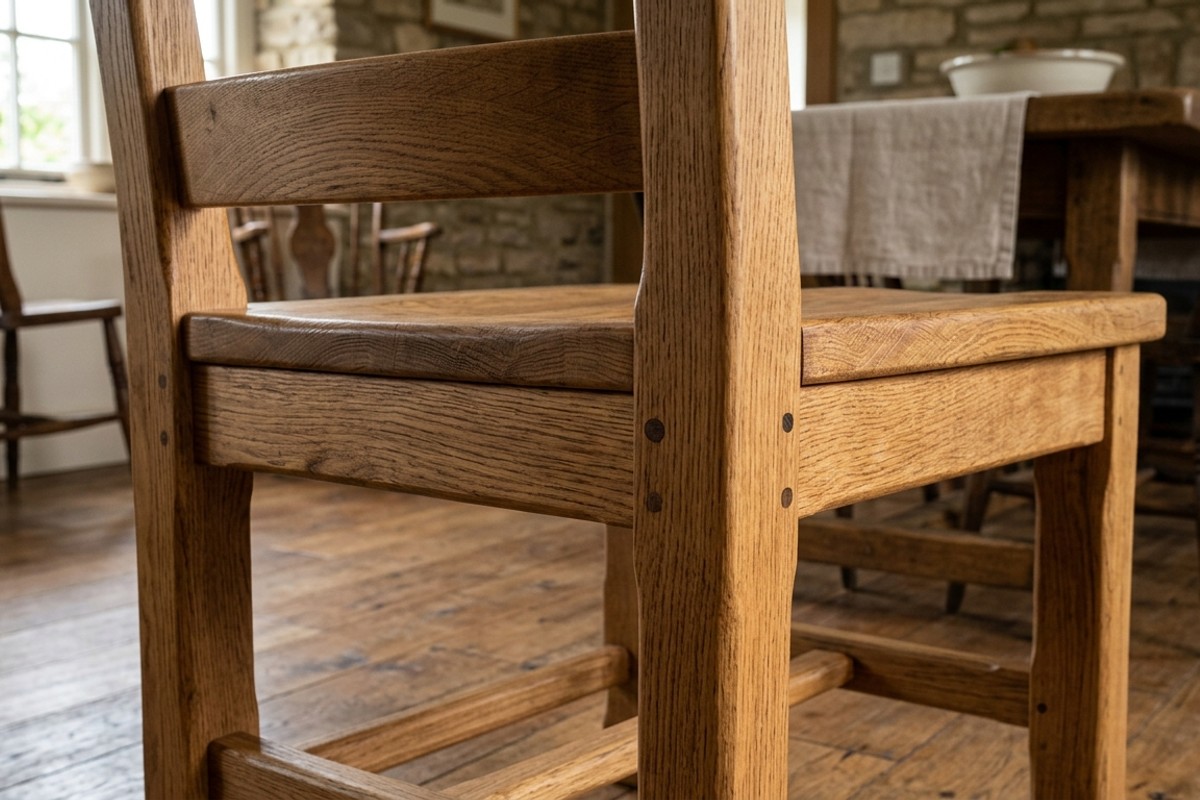
One of the most impactful sustainable home design choices is investing in quality pieces that stand the test of time. Fast furniture often ends up in landfills, so choose well-made items designed for years of use. Think heirloom-quality furniture that can be passed down.
Look for robust construction, solid joinery, and natural finishes that age gracefully. This approach reduces waste and ensures your home maintains its charm for decades. Durability is key for truly conscious living spaces.
3. Integrate Biophilic Design Elements
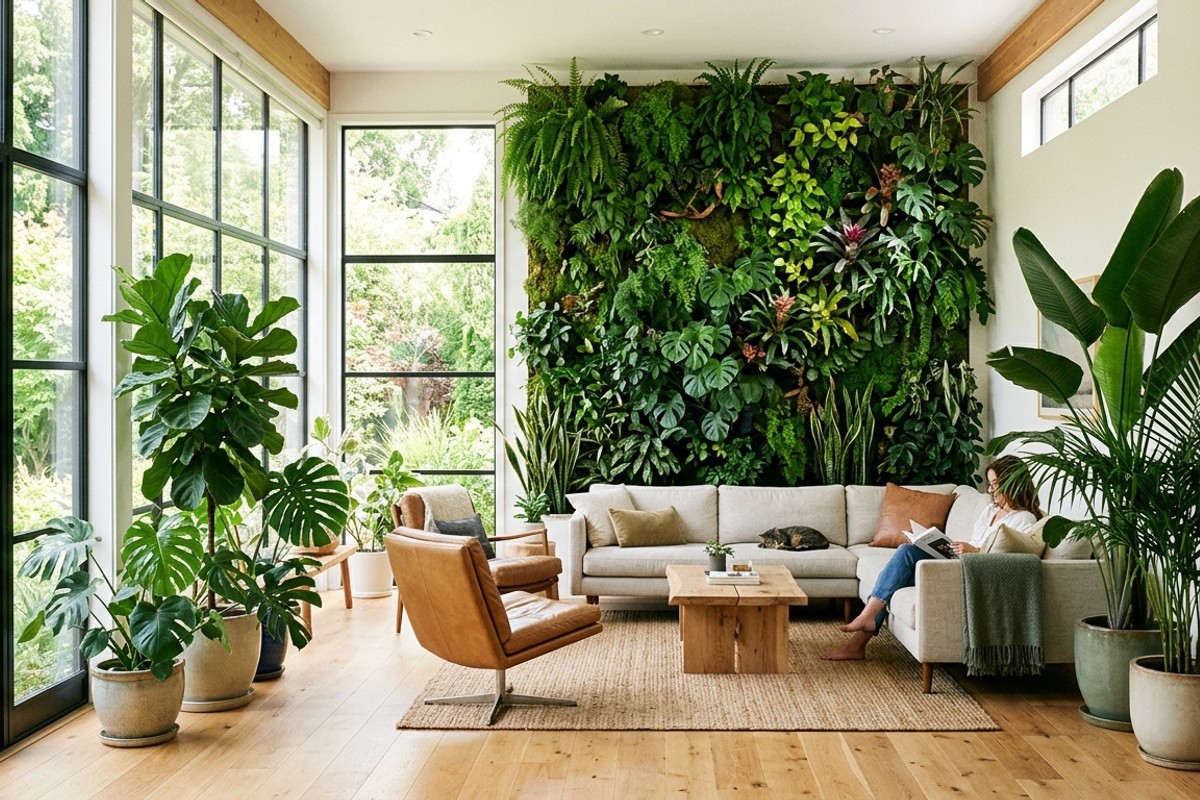
Connecting with nature indoors improves well-being and enhances your home’s eco-friendly credentials. Incorporate plenty of indoor plants, which purify the air and add vibrant touches of green. Consider living walls or large potted specimens as focal points.
Maximize natural light by keeping windows unobstructed and using sheer curtains. This reduces the need for artificial lighting during the day, saving energy. Natural light also highlights the textures and colors of your sustainable materials home.
4. Upcycle, Repurpose, and Restore
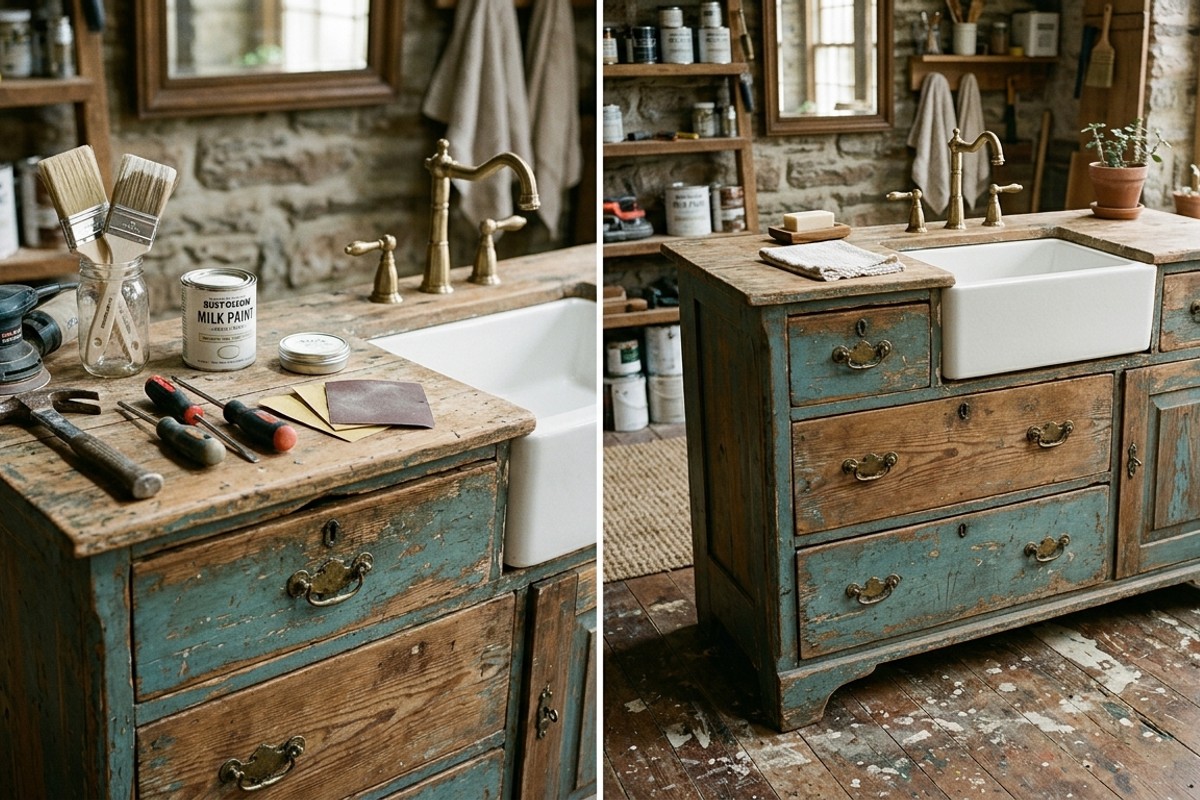
Give new life to old treasures instead of buying new. Scour flea markets, antique shops, or online marketplaces for vintage furniture pieces that can be restored or reupholstered. This injects unique character and history into your decor.

A chipped dresser can become a charming bathroom vanity, or an old door can transform into a rustic dining table. This approach to green home decor not only saves resources but also tells a compelling story about your home’s journey.
5. Choose Eco-Friendly Paints & Finishes
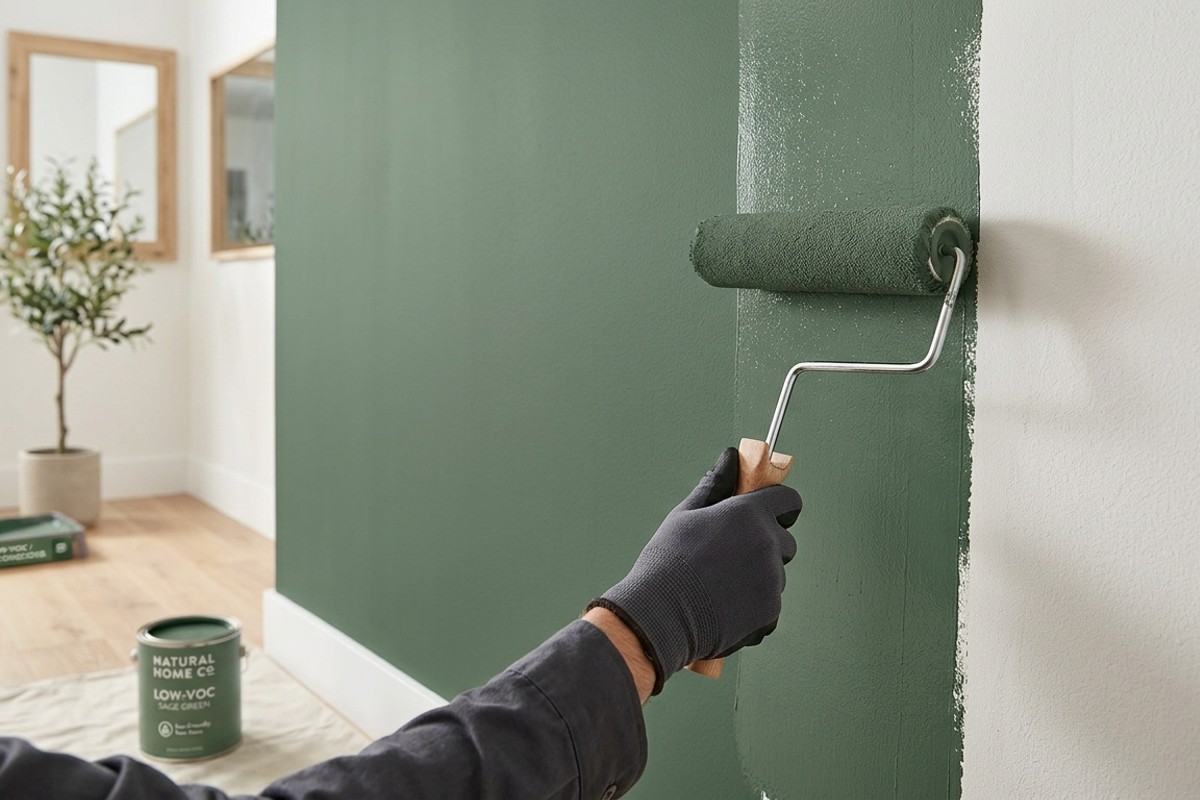
The air quality in your home is vital, and conventional paints often emit harmful volatile organic compounds (VOCs). Opt for low-VOC or zero-VOC paints, stains, and sealants. Many brands now offer beautiful, rich colors in eco-conscious formulas.
These healthier alternatives create a safer environment for your family and contribute to a more sustainable footprint. Look for finishes based on natural oils or minerals for a truly conscious choice in every detail of your interior.
6. Opt for Energy-Efficient Lighting
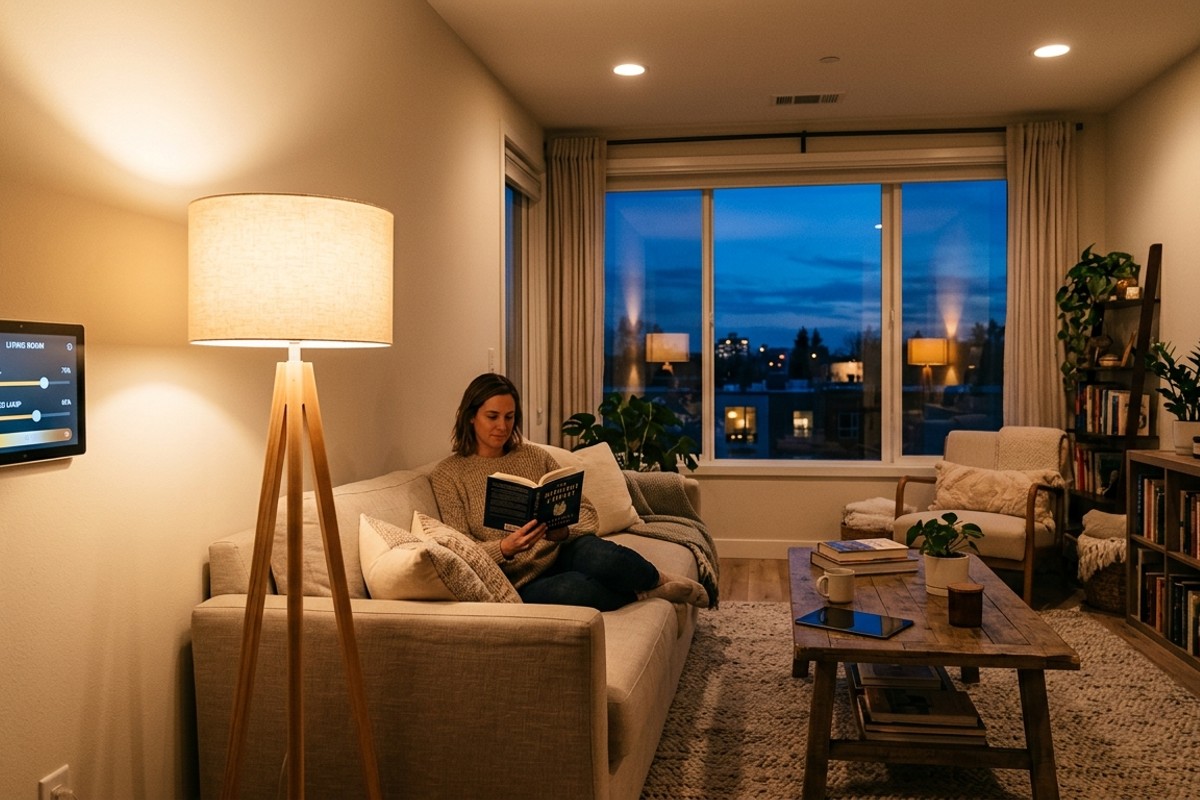
Lighting accounts for a significant portion of household energy consumption. Switch to LED bulbs throughout your home; they are far more energy-efficient and last considerably longer than traditional incandescent or even CFL bulbs. This is a simple yet powerful eco-friendly interior tip.
Consider smart lighting systems that allow you to control brightness and schedule on/off times, further reducing energy waste. Layering various light sources, from task lighting to ambient glow, can create both functional and inviting sustainable living spaces.
7. Source Locally and Ethically
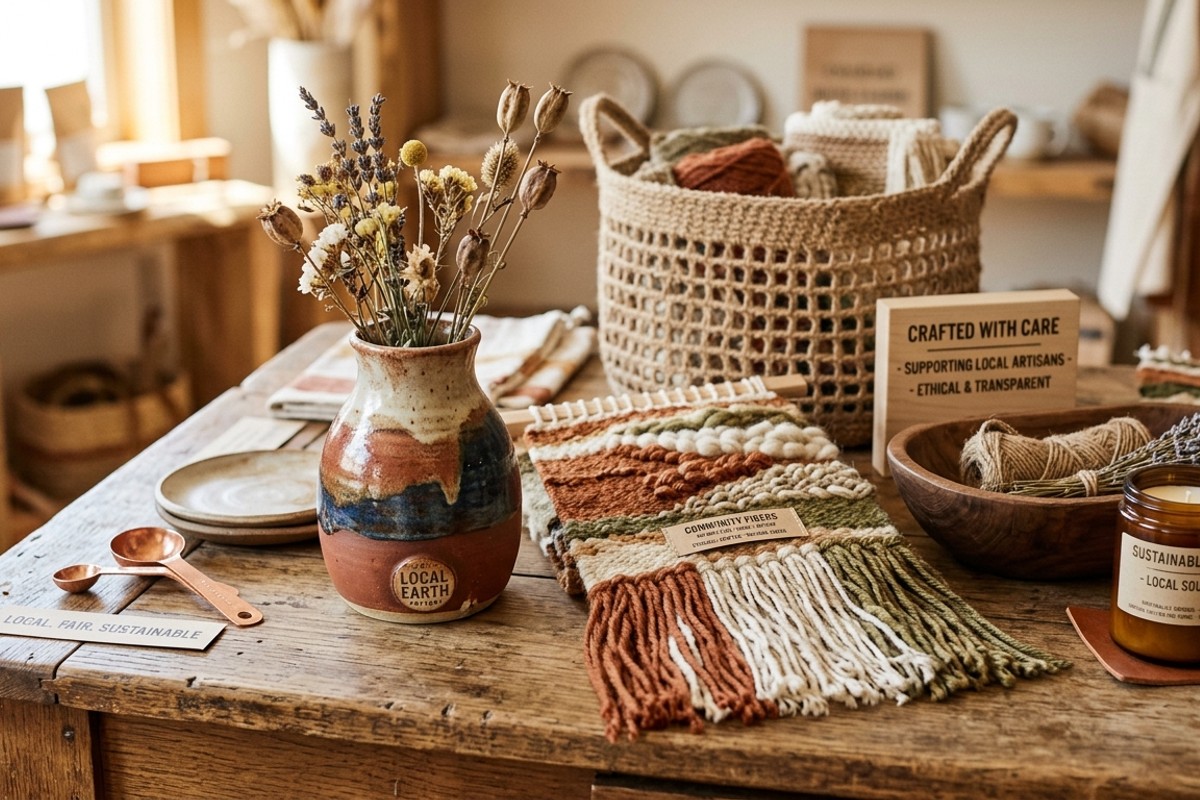
When purchasing new items, look for locally made products and support artisans. Buying local reduces transportation emissions and often ensures fair labor practices. This also helps you discover unique pieces that truly reflect your community.
Ask about the origin and manufacturing process of items to ensure they align with your values. Consciously choosing pieces from companies with transparent and ethical supply chains makes a significant impact on your overall sustainable home design.
Final Thoughts
Creating a beautiful, sustainable home is a journey, not a destination. We hope these seven strategies inspire you to make more mindful choices in your living spaces. Which of these eco-friendly interior tips will you implement first in your home?
Frequently Asked Questions
We hope you found your next Interior Design inspiration!
Thanks for visiting us!