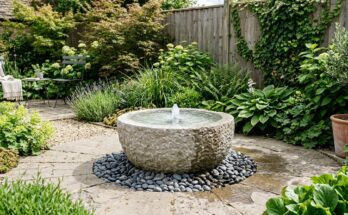
Imagine a vibrant, thriving outdoor oasis that practically takes care of itself. For many homeowners, the dream of a beautiful garden often clashes with the reality of busy schedules and constant upkeep, leading them to seek intelligent low-maintenance garden design solutions.
You can absolutely have both a stunning and an easy-care landscape. We’ve curated seven essential tips to help you transform your outdoor space into a gorgeous, hassle-free haven you’ll love enjoying.
1. Choose Drought-Tolerant Native Plants
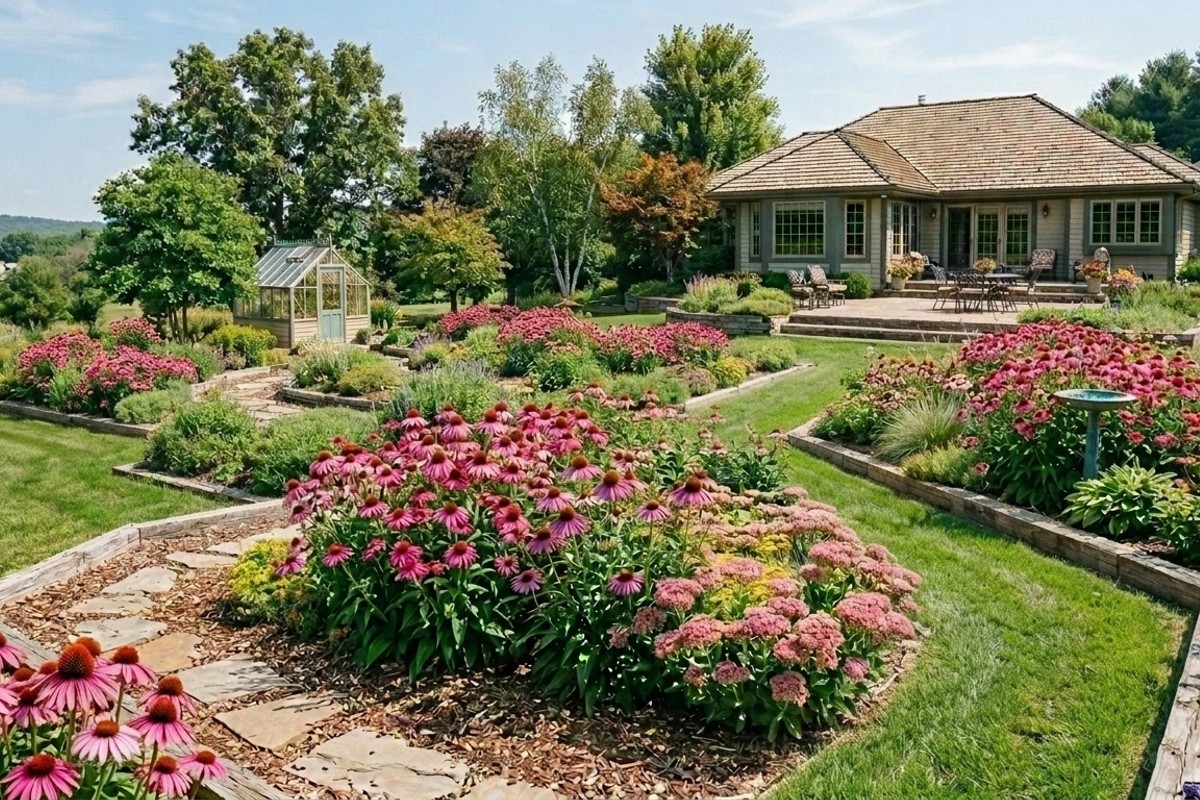
Selecting plants native to your region is a game-changer for reducing garden work. These plants are naturally adapted to your climate and soil, requiring less water, fertilizer, and pest control.
Focus on hardy varieties like coneflowers, sedum, lavender, or ornamental grasses for vibrant color and texture with minimal fuss. This approach saves time and contributes to local biodiversity, making your garden a haven for pollinators.
2. Embrace Smart Hardscaping Solutions
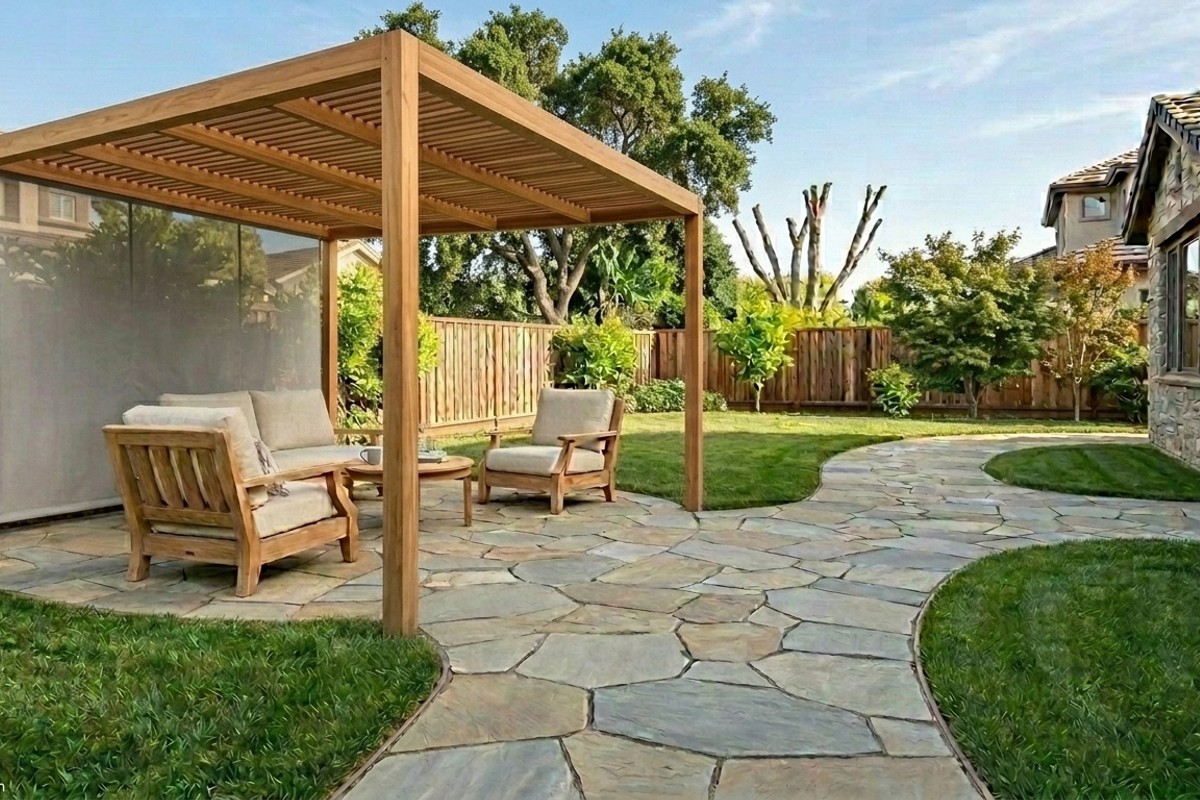
Hardscaping elements like patios, walkways, and permeable pavers significantly reduce the amount of lawn or garden beds needing maintenance. Consider materials such as decomposed granite, flagstone, or durable concrete pavers.
These features define your space and create inviting areas for relaxation, all while requiring little more than occasional sweeping or rinsing. Thoughtful hardscaping is fundamental to any easy garden ideas strategy.
3. Strategically Apply Mulch
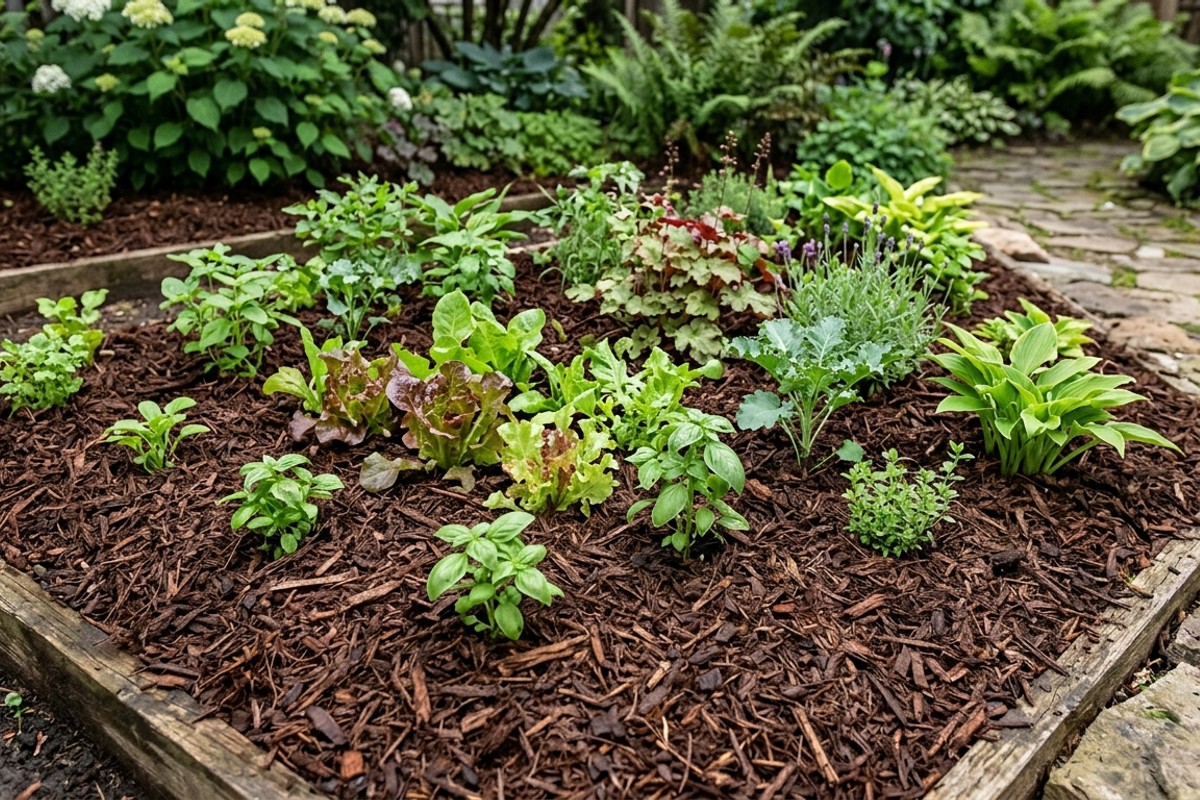
Mulching is one of the simplest yet most effective ways to create a low-maintenance garden design. A 2-4 inch layer of organic mulch, like shredded bark, pine straw, or compost, suppresses weeds by blocking sunlight.
It also retains soil moisture, reducing your watering needs, and gradually enriches the soil as it breaks down. Apply mulch once or twice a year for maximum benefit.
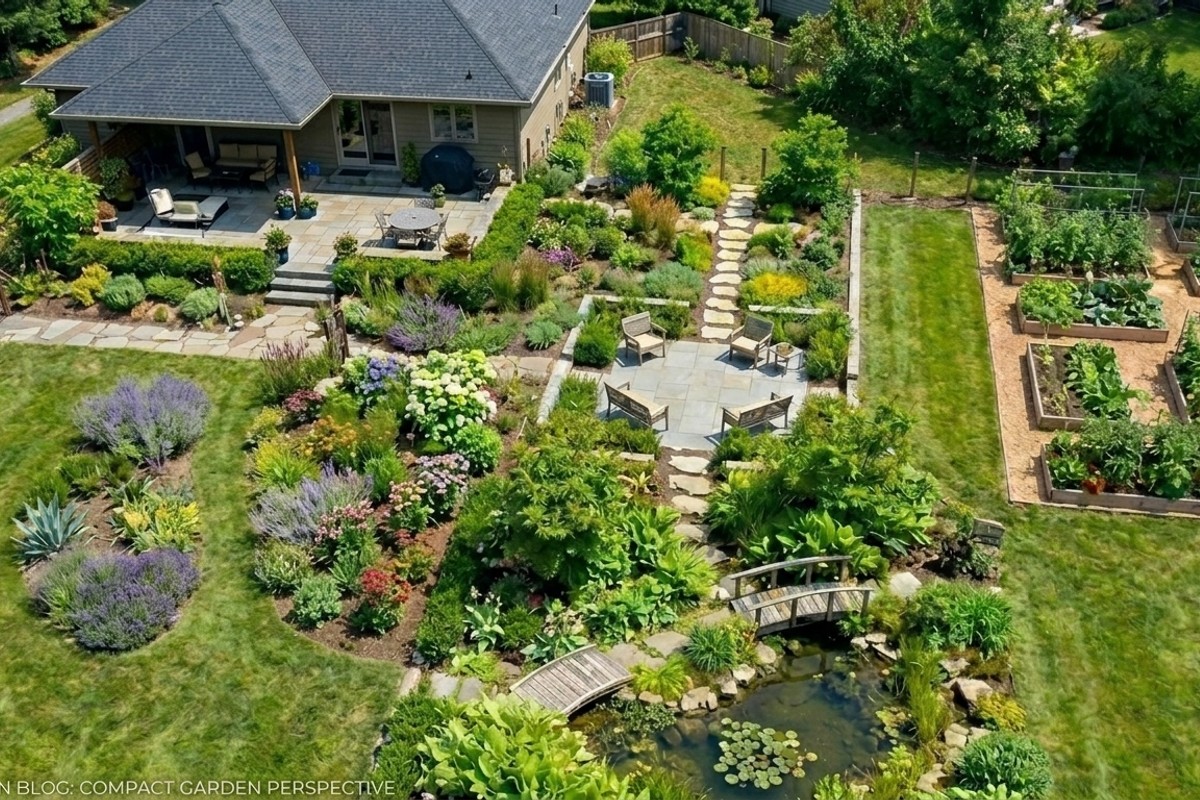
4. Design with Zones and Grouping
Organize your garden into distinct zones based on their water and light needs. Group plants with similar requirements together, creating a more efficient watering system and simplifying care tasks.
This method, often called hydrozoning, ensures every plant thrives without over or under-watering neighboring species. It’s a foundational principle for effective low maintenance landscape design.
5. Install Efficient Irrigation Systems
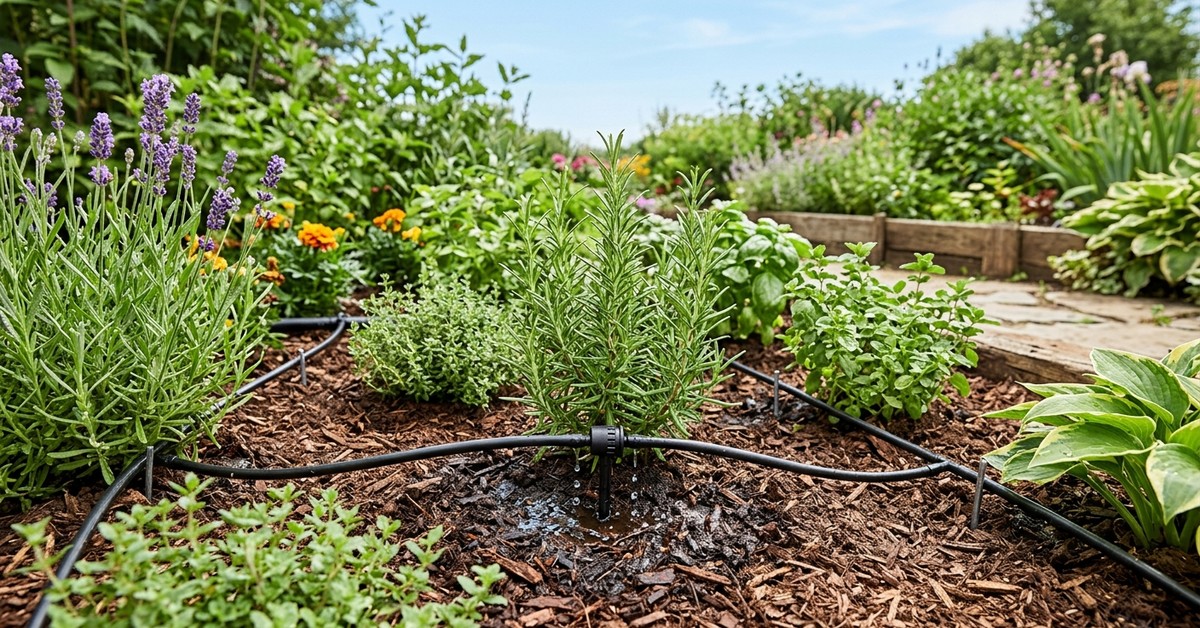
Automate your watering with a drip irrigation system or soaker hoses. These systems deliver water directly to the plant roots, minimizing evaporation and runoff, unlike overhead sprinklers.

A smart irrigation controller can further optimize water usage by adjusting schedules based on weather conditions. This significantly reduces manual watering and conserves precious resources.
6. Opt for Perennial Groundcovers
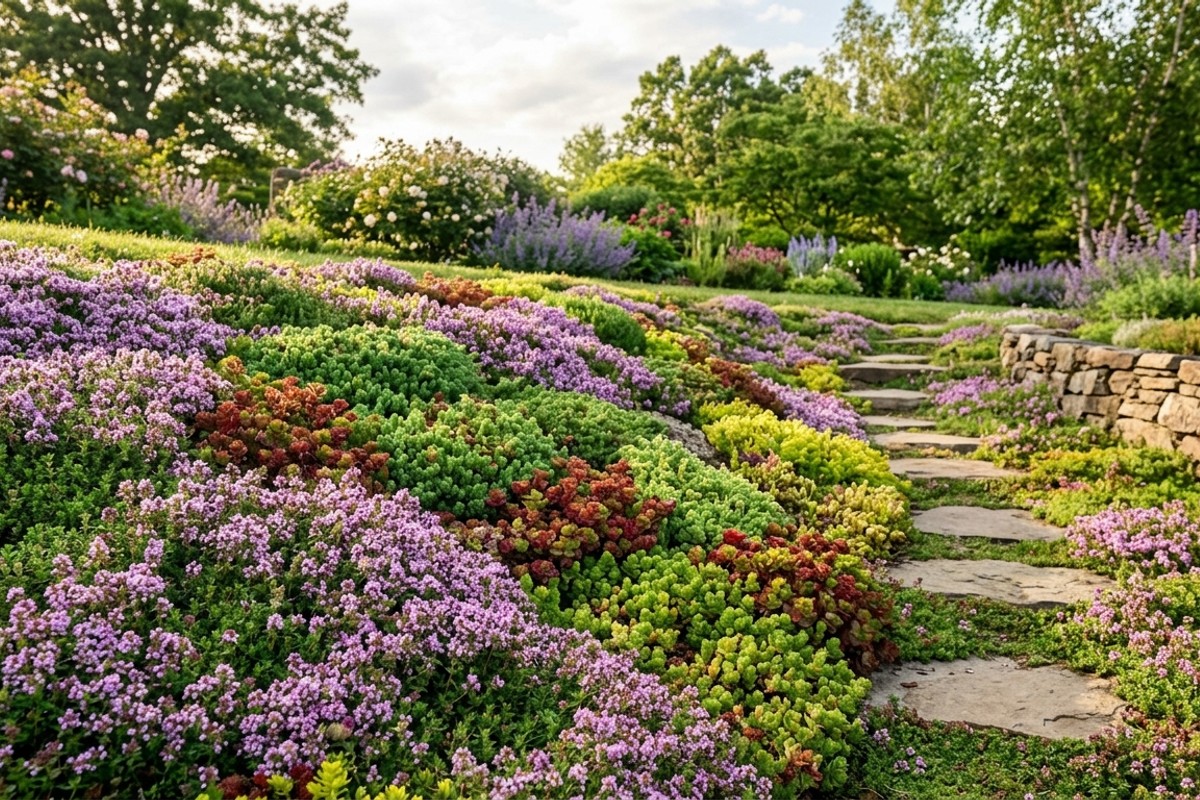
Replace thirsty, high-maintenance lawns or open soil with resilient perennial groundcovers. Plants like creeping thyme, sedum, or clover spread beautifully and suppress weeds once established.
They offer attractive alternatives to turf, requiring far less mowing, fertilizing, or watering. Groundcovers are excellent plants for low maintenance garden plans, adding visual interest and reducing labor.
7. Incorporate Container Gardening
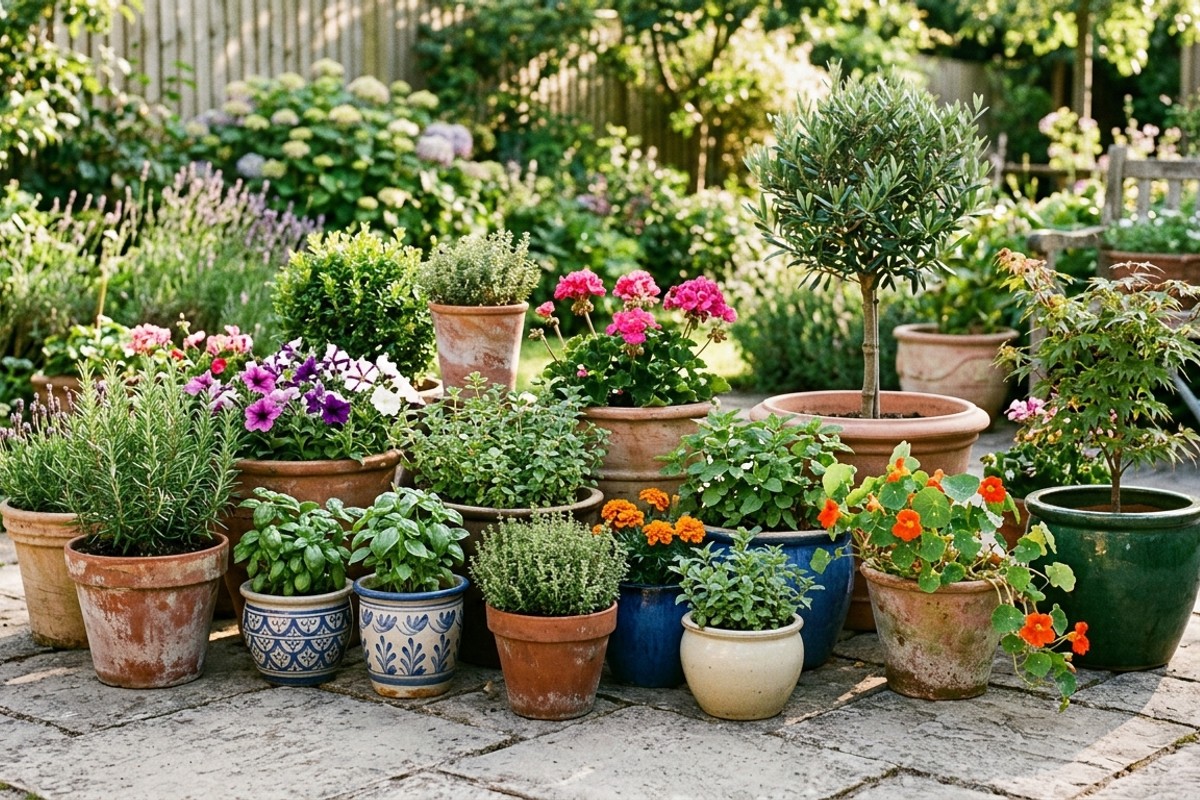
For added flexibility and reduced weeding, incorporate container gardens into your design. Grouping pots with herbs, annuals, or small shrubs allows you to easily move plants to optimal light conditions or protect them from harsh weather.
Containers can also introduce pops of color and texture to hardscaped areas, making your garden dynamic and easy to manage. Just remember to choose appropriate pot sizes for plant growth.
Conclusion
Creating a low-maintenance garden doesn’t mean sacrificing beauty or vibrancy. By thoughtfully selecting plants, implementing smart hardscaping, and adopting efficient care strategies, you can design an outdoor space that truly works for you.
Embrace these tips to cultivate a stunning garden that offers endless enjoyment with minimal effort, transforming your backyard into a serene sanctuary.
Frequently Asked Questions
We hope these tips help you elevate your Garden!
Thanks for visiting us!