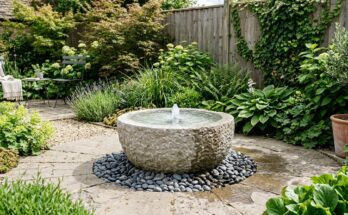
Transforming your outdoor space into a sanctuary of sustainability is easier than you think. These eco-friendly garden designs offer a beautiful way to connect with nature, reduce your environmental footprint, and enhance your home’s curb appeal.
From vibrant pollinator havens to clever water-wise landscapes, we’re exploring 12 inspiring concepts. Get ready to cultivate a greener, more harmonious environment right in your own backyard, embracing truly sustainable garden ideas.
1. Native Plant Sanctuary
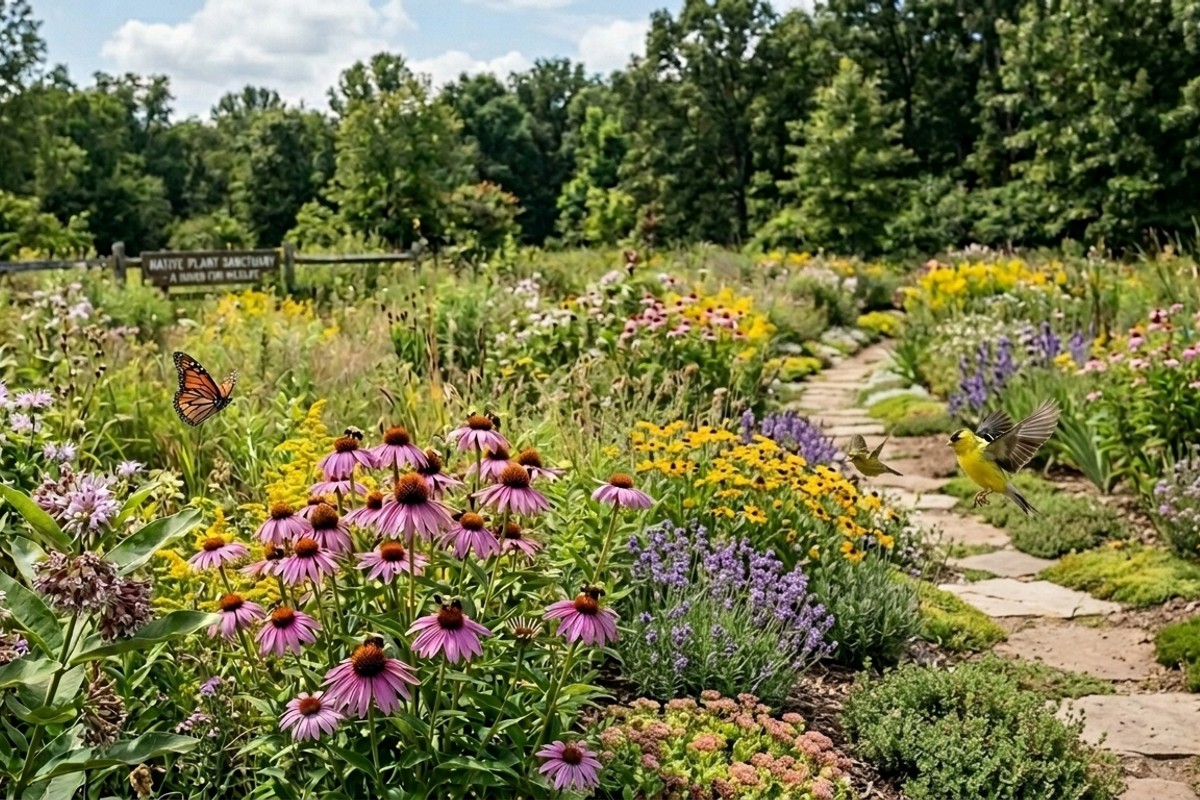
Embrace the natural beauty of your region by planting indigenous flora. Native plants are perfectly adapted to local climate and soil conditions, requiring minimal water, fertilizer, or pesticides. This design supports local ecosystems and wildlife effortlessly.
Imagine drifts of purple coneflowers (Echinacea purpurea), goldenrod (Solidago spp.), and various native grasses creating a soft, naturalistic meadow aesthetic. These resilient plants provide essential food and shelter for birds and beneficial insects, fostering a vibrant biodiversity.
The beauty of a native plant sanctuary lies in its low maintenance and profound ecological impact. It’s a truly organic garden aesthetic that thrives with little intervention, allowing nature to lead the way.
2. Pollinator Paradise
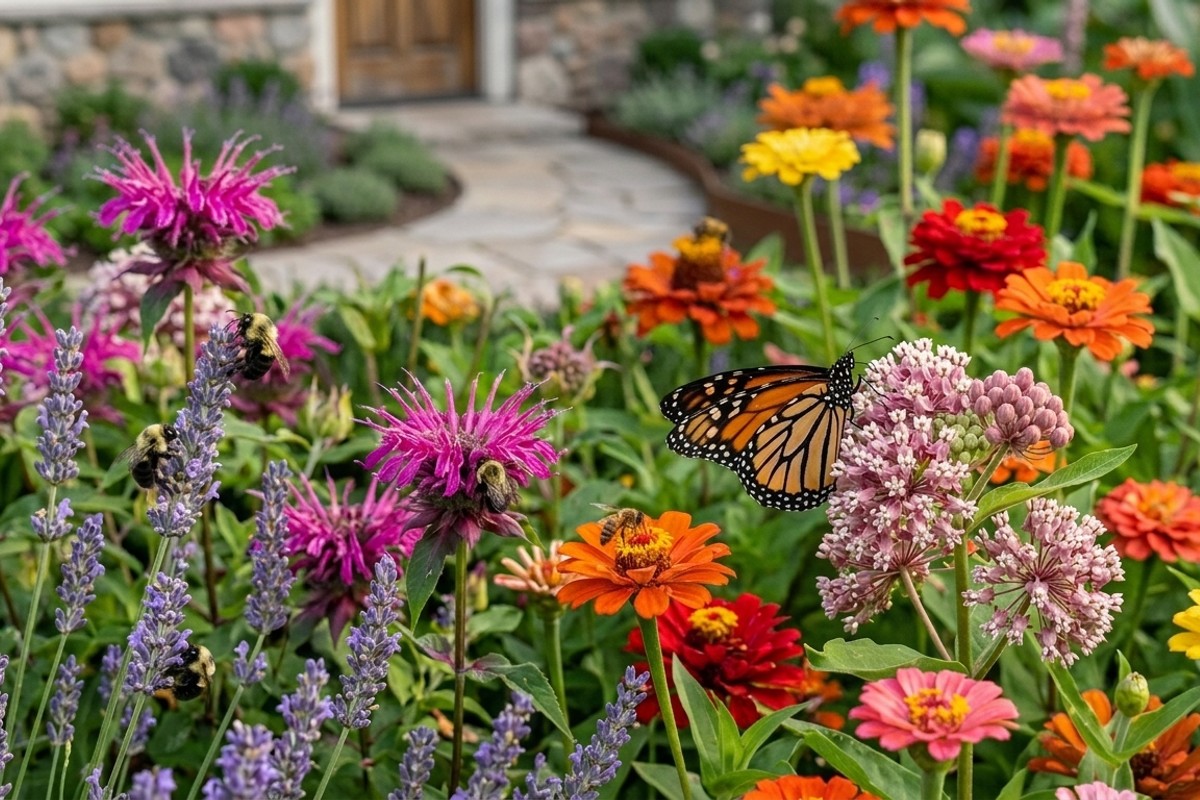
Cultivate a garden buzzing with life by designing a dedicated pollinator paradise. Focus on flowering plants that provide nectar and pollen for bees, butterflies, and hummingbirds throughout the growing season. Think in layers, from groundcover to taller perennials.
Choose a diverse array of vibrant blooms like lavender (Lavandula angustifolia), bee balm (Monarda didyma), and zinnias in cheerful yellows, deep purples, and fiery oranges. Include host plants specific to local butterfly species, such as milkweed for monarchs. This creates a continuous feast.
This approach transforms your garden into a crucial stopover point for these vital creatures. It’s a joyful, dynamic space that not only looks stunning but also contributes directly to food security and ecosystem health, showcasing brilliant green landscaping tips.
3. Rain Garden Oasis
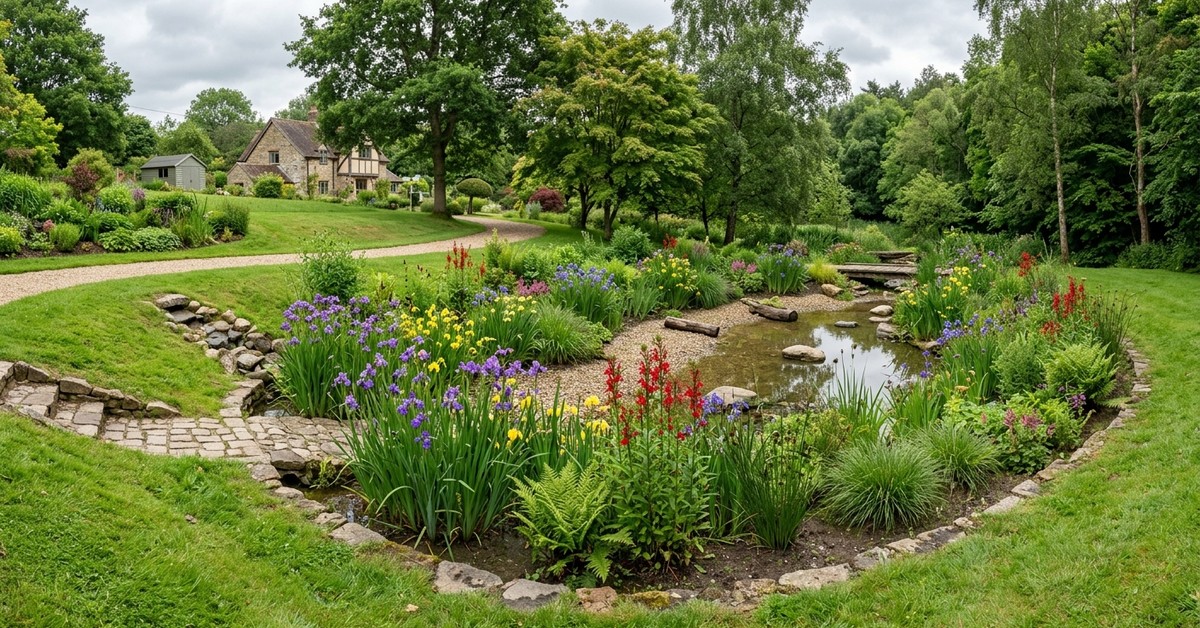
A rain garden is a shallow depression planted with water-loving native plants, designed to capture and filter stormwater runoff from roofs, driveways, or lawns. This practical and beautiful feature helps prevent erosion and recharges groundwater.
Picture a gently sloped basin featuring lush irises (Iris versicolor), cardinal flowers (Lobelia cardinalis), and various sedges, all thriving in moisture. The natural contours of the land guide water into this absorbent landscape feature, creating a serene, verdant pocket.
This environmentally friendly garden approach effectively manages water on your property. It reduces the strain on municipal storm drains and creates a unique microclimate that attracts beneficial insects and birds. It’s a smart water-wise garden plan.
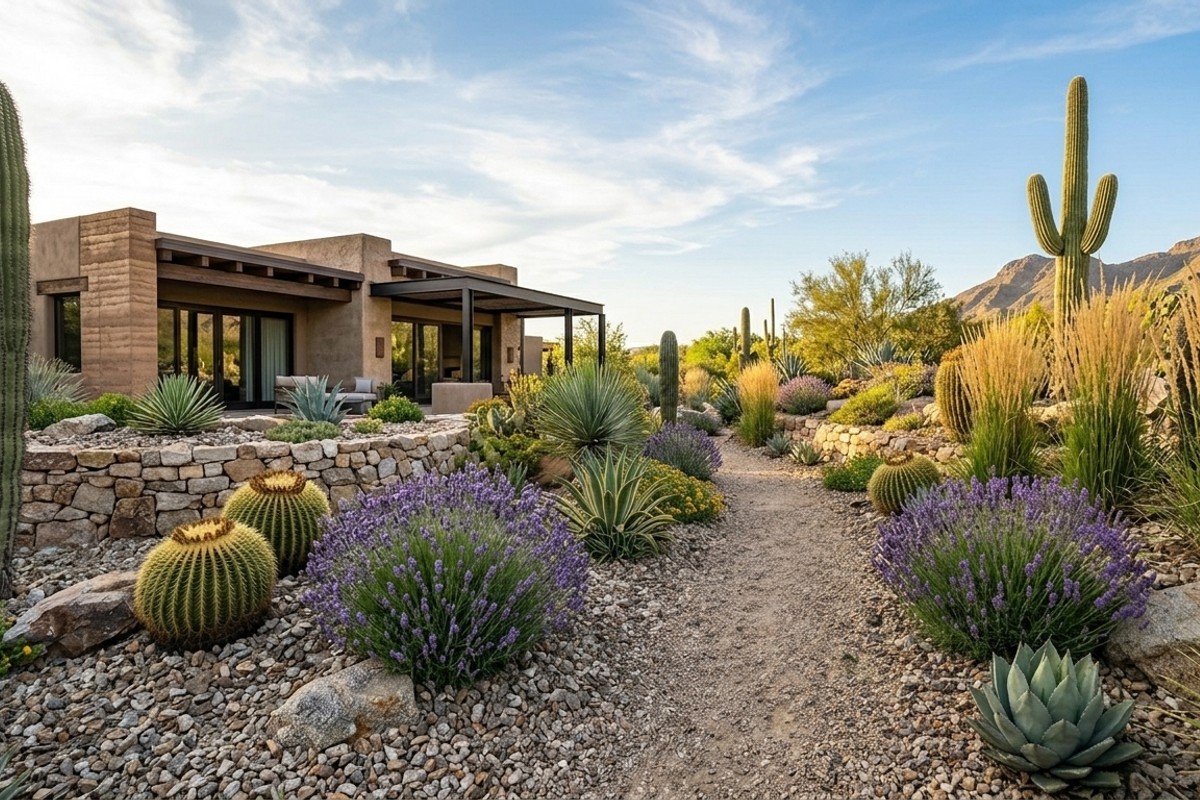
4. Xeriscaped Desert Bloom
For regions with dry climates or anyone aiming for significant water conservation, xeriscaping offers stunning beauty with minimal water usage. This eco-friendly garden design focuses on drought-tolerant plants and efficient irrigation.
Imagine a tapestry of striking succulents, architectural cacti, and aromatic lavender (Lavandula stoechas) alongside ornamental grasses like ‘Karl Foerster’ feather reed grass. Pathways of crushed gravel or permeable pavers enhance the minimalist, clean aesthetic.
By selecting plants adapted to arid conditions and using mulch to retain soil moisture, you create a vibrant, resilient landscape. It dramatically reduces your water bill and maintenance, proving that a water-wise garden can be incredibly captivating.
5. Edible Forest Garden
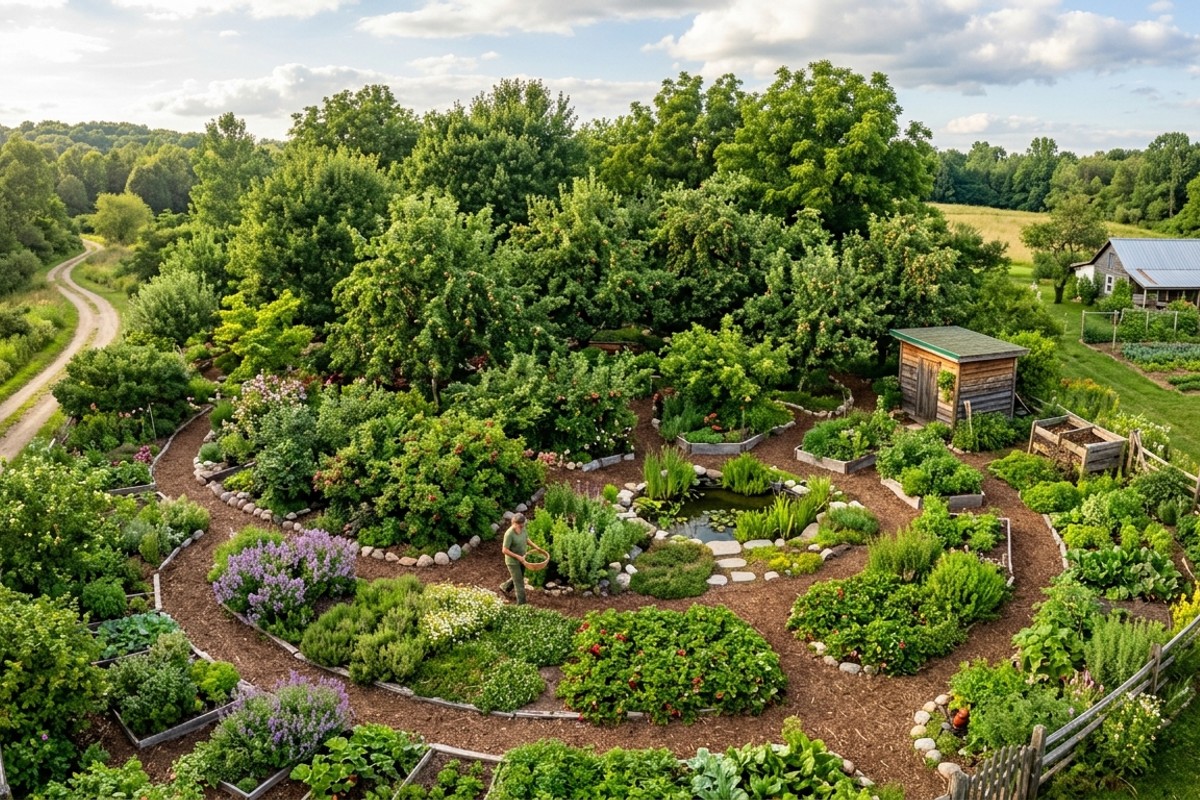
An edible forest garden mimics the layered structure of a natural forest, focusing on perennial food production using permaculture principles. This sustainable garden idea provides food for years with minimal effort after establishment.
Envision a multi-tiered landscape featuring taller fruit trees (apple, pear) forming a canopy, underplanted with berry bushes (blueberry, elderberry), herbs (mint, thyme), and groundcovers (strawberries, clover). Nitrogen-fixing plants enrich the soil naturally.
This design creates a self-sustaining ecosystem that is both productive and beautiful. It reduces reliance on annual planting and promotes a diverse array of edible plants, fostering a truly organic garden aesthetic right outside your door.
6. Composting & Raised Beds
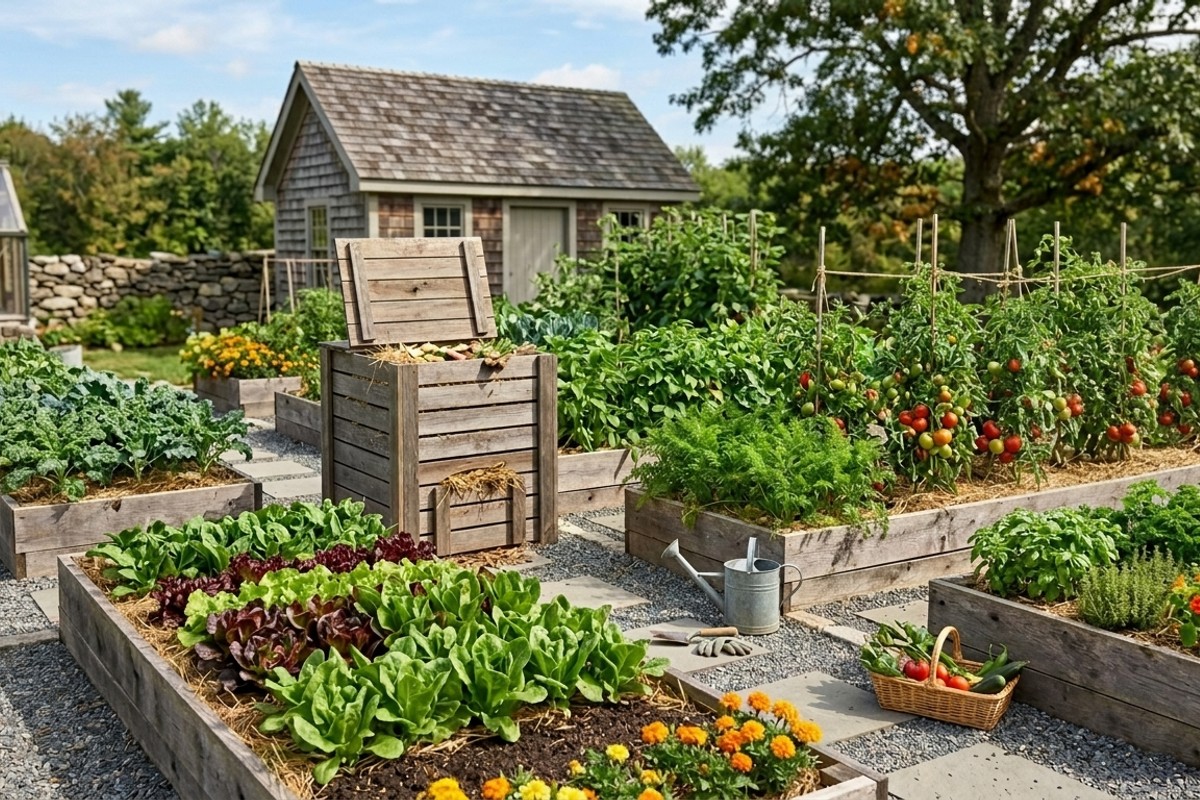
Integrate a practical and aesthetically pleasing system for growing food and managing waste. Raised garden beds, constructed from reclaimed wood or stone, offer excellent drainage and soil control for organic vegetable gardening.
Adjacent to your neatly arranged raised beds, incorporate a discreet composting system. Perhaps a stylish wooden composter or a tumble bin, turning kitchen scraps and yard waste into nutrient-rich soil. This closed-loop system enriches your garden naturally.
This environmentally friendly garden design creates a tidy, productive space. It empowers you to grow your own food while significantly reducing household waste, embodying essential green landscaping tips for a healthier home and planet.
7. Wildlife Habitat Haven
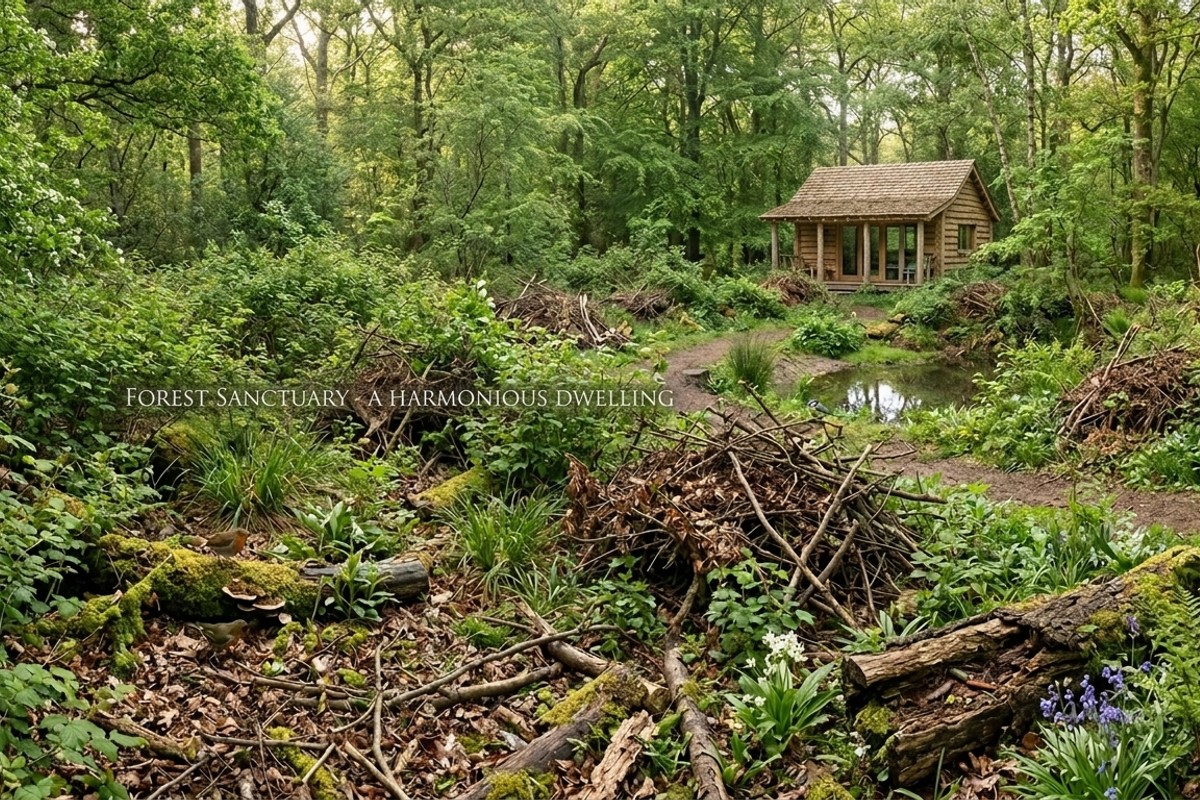
Beyond specific plants, creating a wildlife habitat involves providing the four essentials: food, water, cover, and places to raise young. This eco-friendly garden design fosters a thriving local ecosystem.
Include diverse native plantings for food, a shallow bird bath or small pond for water, and dense shrubs or brush piles for cover and nesting sites. Consider leaving some leaf litter or fallen logs to create microhabitats for insects and amphibians.

Watching birds, beneficial insects, and small mammals flourish in your backyard brings immense satisfaction. It’s a powerful way to support local biodiversity, transforming your garden into a vibrant, living space that benefits the entire community.
8. Vertical Green Wall
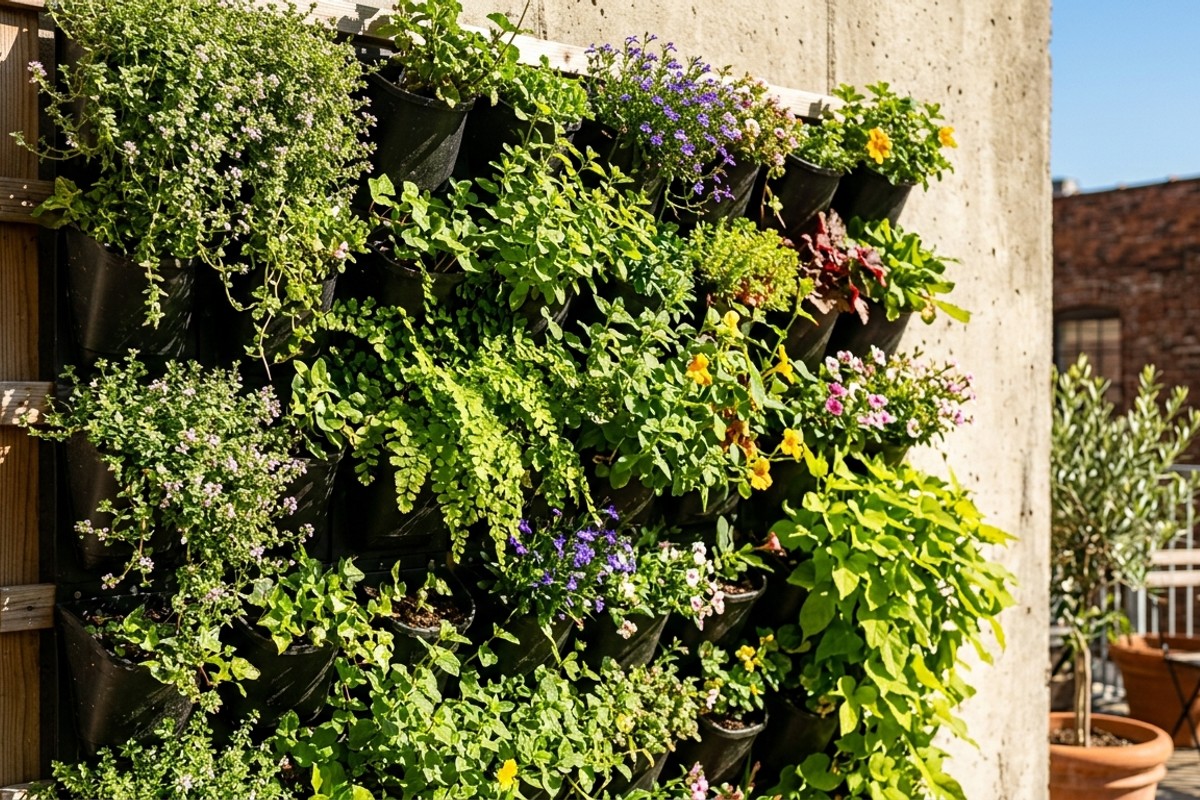
For urban dwellers or those with limited ground space, a vertical green wall is an ingenious eco-friendly garden design. It maximizes planting area, adds lush greenery, and even improves air quality.
Imagine a living tapestry of trailing herbs like thyme and oregano, vibrant ferns, and compact annual flowers cascading down a sunny wall. Modular planting pockets or stacked planters create a striking visual impact, transforming a blank surface into a vibrant display.
This space-saving solution is a fantastic green landscaping tip for patios, balconies, or small courtyards. It brings nature upwards, creating a unique focal point while contributing to a cooler, healthier microclimate. It’s truly a sustainable garden idea for any scale.
9. Recycled Material Wonderland
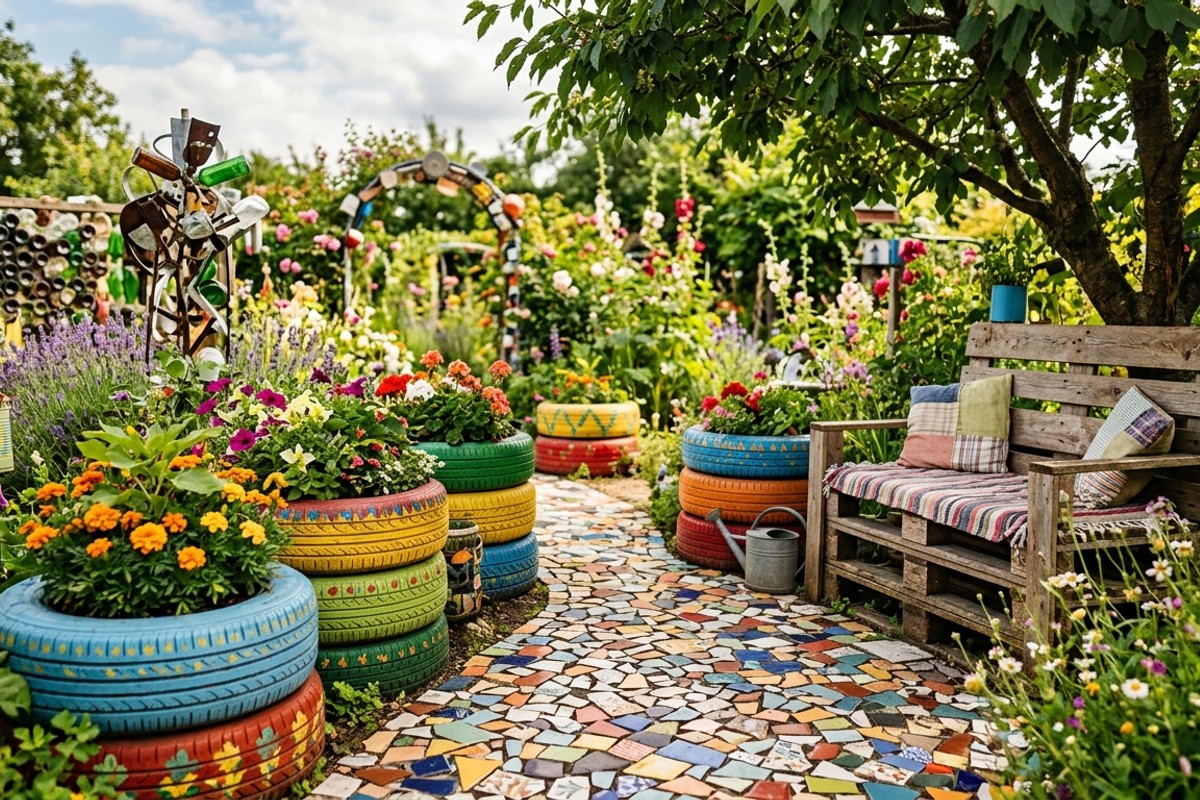
Unleash your creativity by incorporating upcycled and recycled materials into your garden design. This approach reduces waste, saves money, and adds unique character that store-bought items simply can’t match.
Consider old tires painted vibrant colors and stacked as planters, broken pottery transformed into mosaic pathways, or discarded pallets repurposed into charming benches or vertical herb gardens. Even old bathtubs can become quirky raised beds for edibles.
This environmentally friendly garden style is a testament to ingenuity and resourcefulness. It turns potential waste into beautiful, functional elements, making your outdoor space a truly one-of-a-kind expression of sustainable garden ideas.
10. Zen Gravel Garden
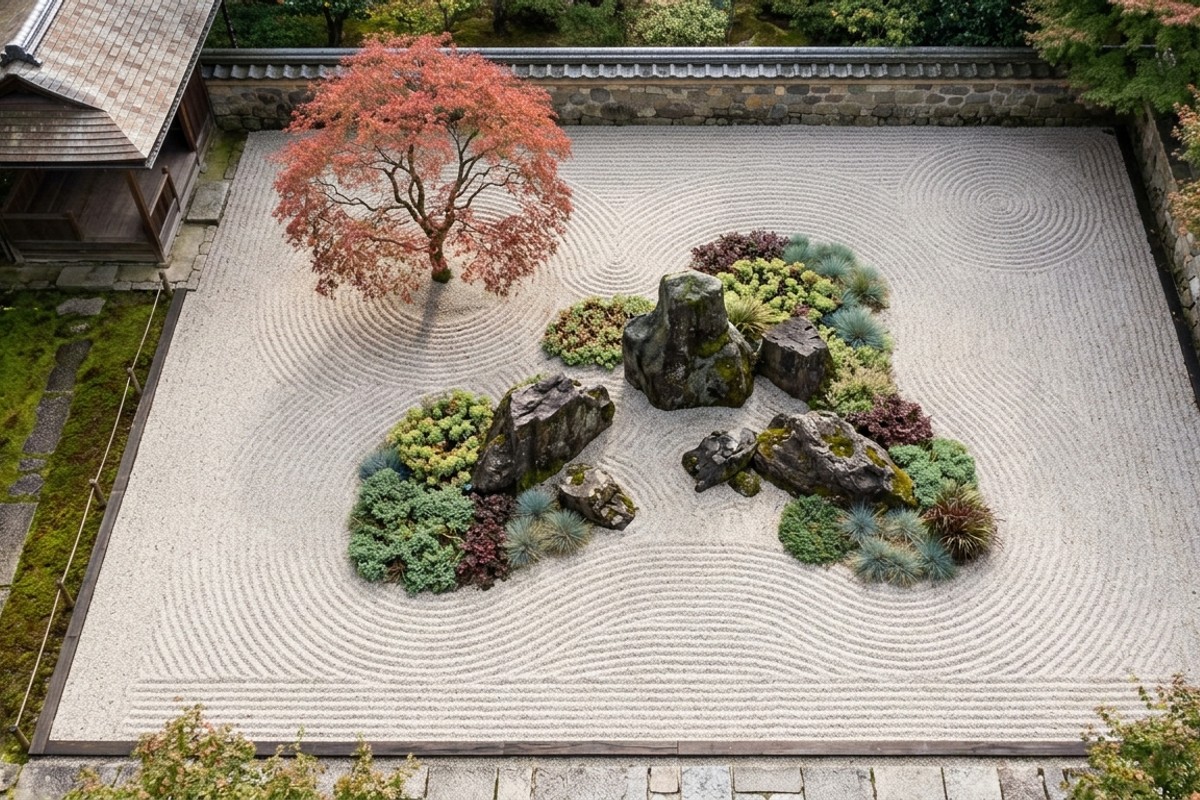
A Zen gravel garden offers a minimalist, low-maintenance, and incredibly water-wise garden plan. It creates a serene, contemplative space with a focus on natural elements and subtle beauty.
Picture carefully raked patterns in light-colored gravel, punctuated by strategically placed boulders or sculptural rocks. Drought-resistant plants like sedums, small ornamental grasses, or a single Japanese maple provide focal points without demanding much water.
This eco-friendly garden design requires very little irrigation once established and minimal upkeep. Its calm, uncluttered aesthetic promotes relaxation and mindfulness, proving that less can truly be more in sustainable landscaping.
11. Bio-Swale Border
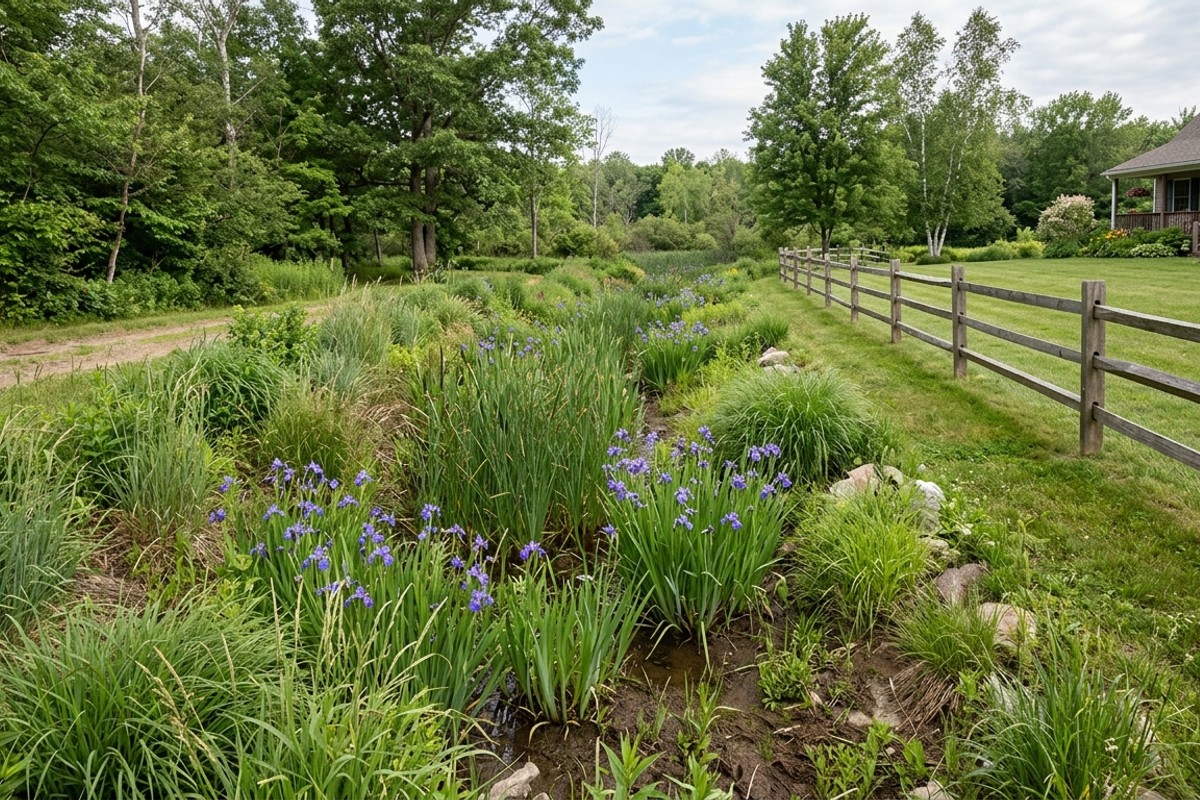
A bio-swale is a gently sloped, vegetated channel designed to collect, slow down, and filter stormwater runoff. It’s a beautiful and functional feature that integrates seamlessly into the landscape, often bordering driveways or property lines.
Imagine a shallow, natural depression planted with native grasses, rushes, and wildflowers like blue flag iris. As rainwater flows into the swale, these plants and the permeable soil naturally remove pollutants before the water can reach storm drains or local waterways.
This green landscaping tip is an excellent way to manage water sustainably while enhancing your home’s exterior with a natural, flowing aesthetic. It showcases a truly environmentally friendly garden solution for effective water management.
12. Container Eco-Chic
Even if you have limited space, container gardening can be wonderfully eco-friendly and stylish. This is perfect for balconies, small patios, or even front stoops, offering flexibility and vibrant displays.
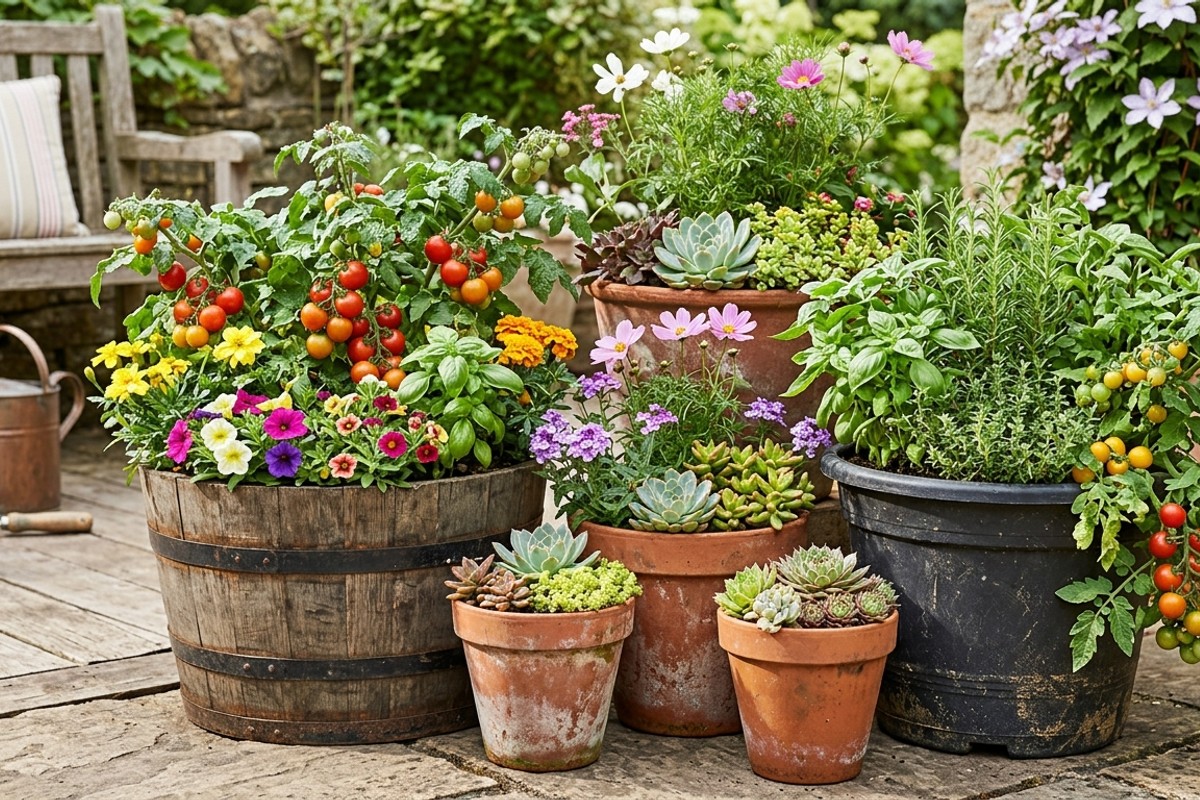
Group together pots made from sustainable materials like terracotta, recycled plastic, or repurposed whiskey barrels. Mix edibles such as cherry tomatoes and basil with colorful annuals and drought-tolerant succulents. Companion planting in containers maximizes space and health.
This versatile eco-friendly garden design allows you to easily move plants to optimize sun exposure or protect them from harsh weather. It’s a fantastic way to enjoy green living in a compact footprint, proving sustainable garden ideas work in any setting.
Final Thoughts
From the lush diversity of a native plant sanctuary to the clever efficiency of a vertical green wall, these eco-friendly garden designs offer endless possibilities. Each one provides a unique way to create beauty while treading lightly on the earth.
We hope these sustainable garden ideas spark your imagination and inspire you to cultivate a greener home. Which of these environmentally friendly gardens will you bring to life first?
Frequently Asked Questions
We hope you found your next Garden inspiration!
Thanks for visiting us!