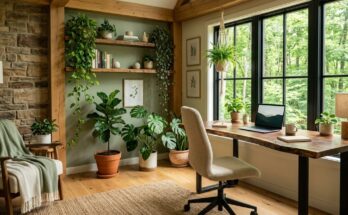
Imagine unwinding after a long day in a space that instantly soothes your soul—that’s the magic of a thoughtfully designed relaxing living room. Your living room should be more than just a place to sit; it should be a personal sanctuary, a haven where stress melts away.
Transforming your main communal area into a serene escape is entirely achievable. We’re sharing seven expert tips to help you master the art of relaxing living room design, ensuring your home offers the tranquility you deserve.
1. Embrace a Soothing Color Palette
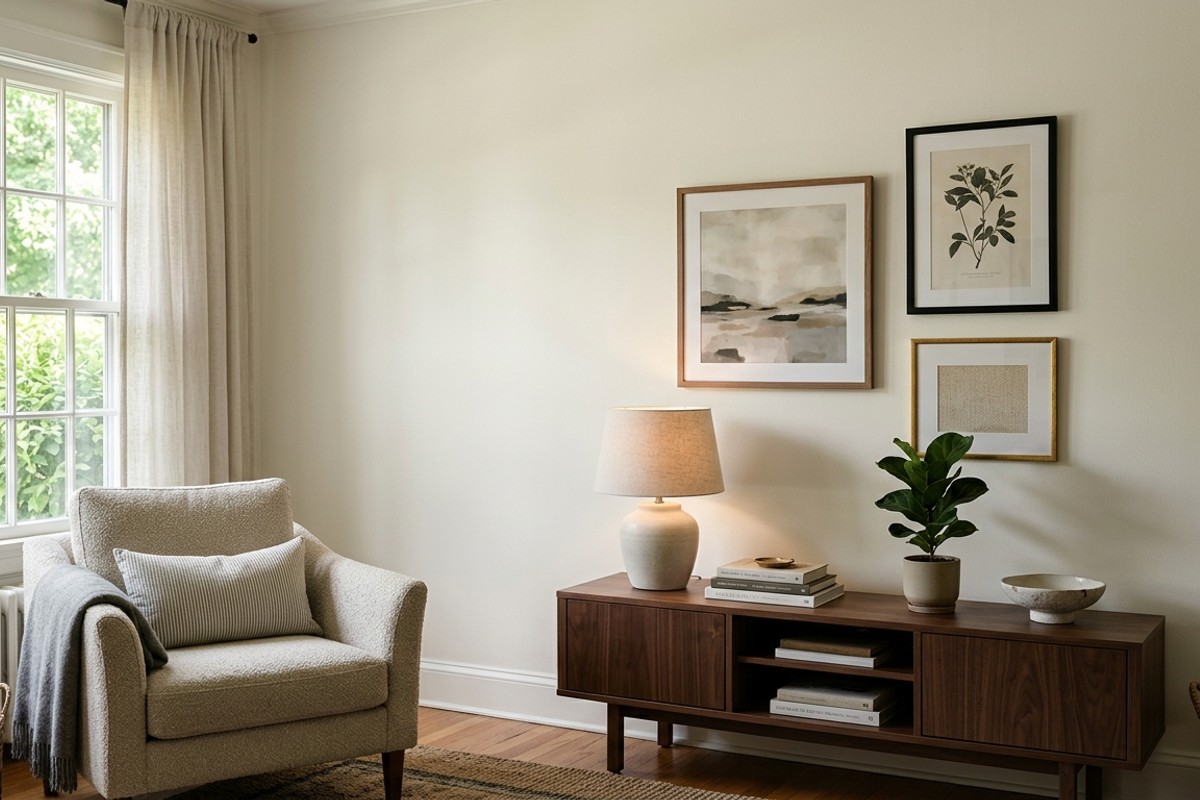
Start with colors that evoke calm and peace. Think soft neutrals like warm greys, creamy off-whites, or gentle sage greens.
These hues create a serene backdrop, allowing your mind to relax and your eyes to rest. Consider shades like Benjamin Moore’s “Pale Oak” or Sherwin-Williams’ “Sea Salt” for an instant dose of tranquility.
2. Layer Comfort with Diverse Textures
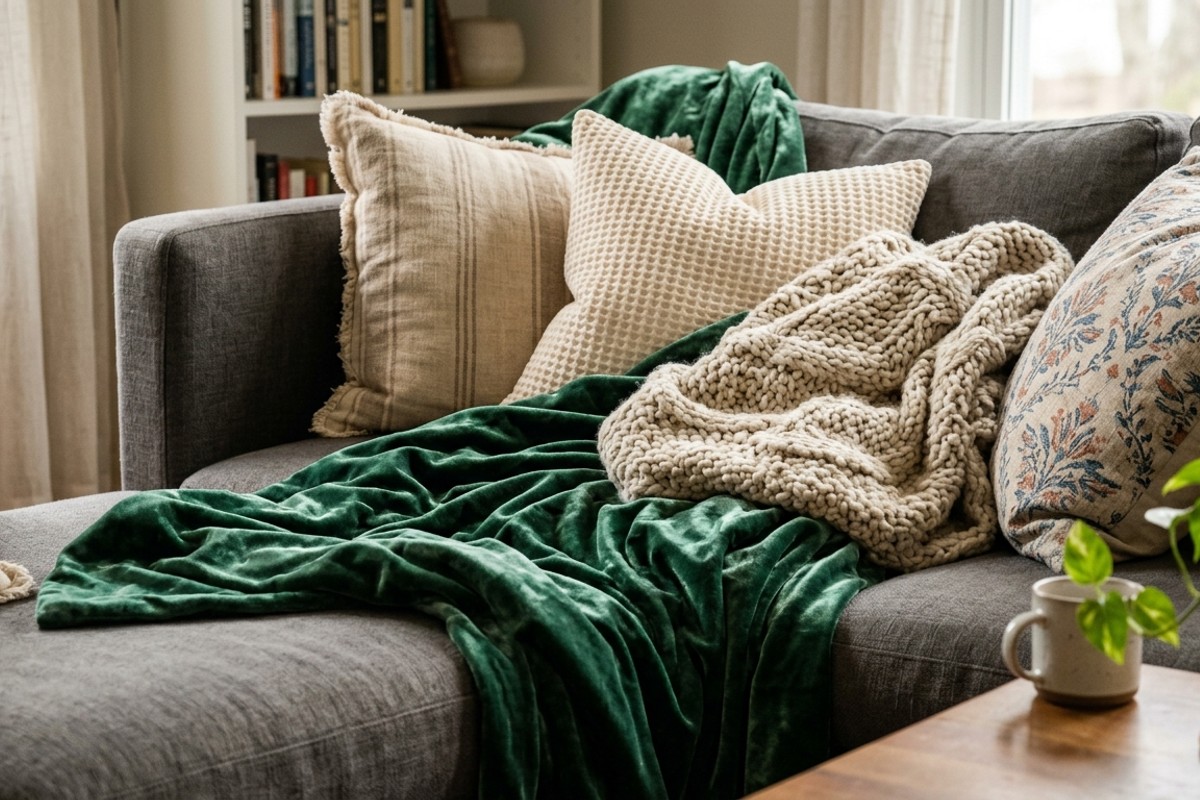
Introducing a variety of textures is key to creating a truly cozy living room. Combine plush velvet throws with chunky knit blankets and soft linen pillows.
These tactile elements invite touch and add depth, making the space feel irresistibly inviting. Think about a sheepskin rug underfoot for an extra layer of luxurious comfort.
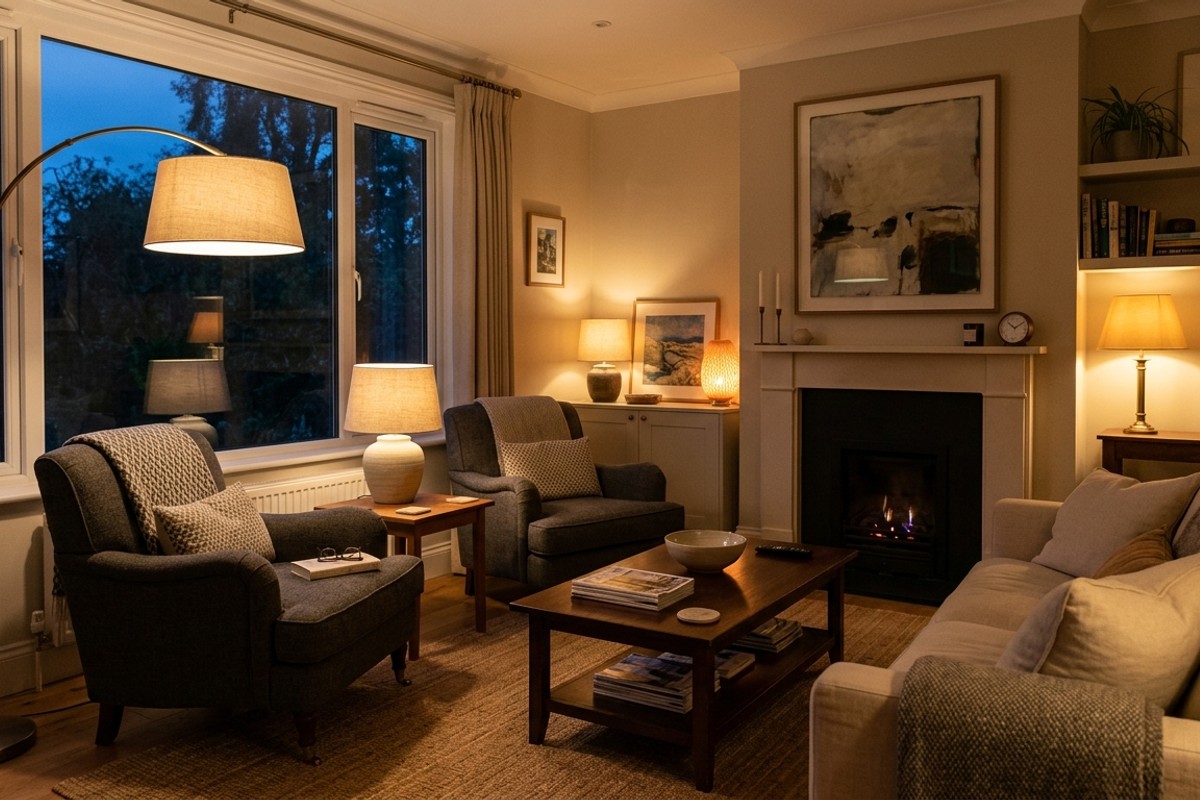
3. Optimize Lighting for Ambiance
Harsh overhead lighting can quickly disrupt a serene atmosphere. Instead, layer your lighting with multiple sources at different heights.
Use dimmable lamps with warm-toned bulbs (around 2700K) to cast a soft glow. This allows you to adjust the mood, perfect for winding down in your serene living space.
4. Declutter for Visual Calm
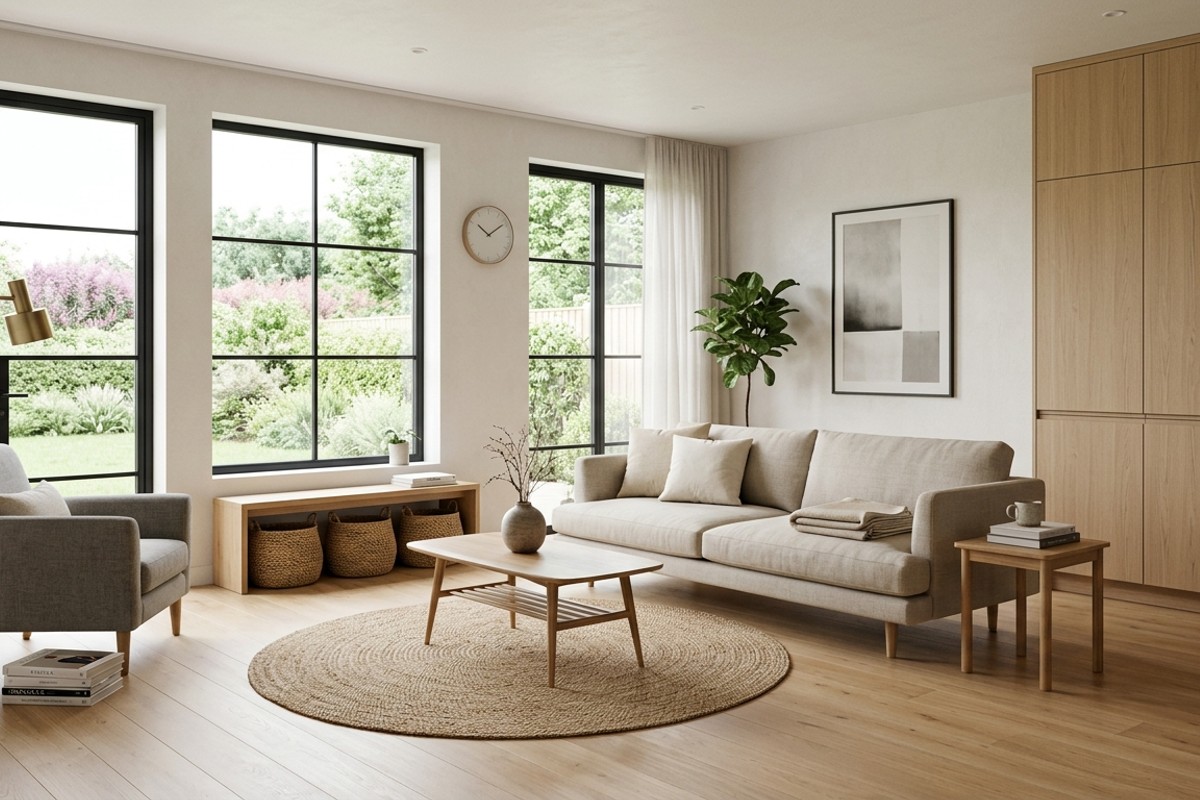
A cluttered room creates a cluttered mind. Prioritize minimalism and remove unnecessary items that contribute to visual noise.
Invest in smart storage solutions like baskets or closed cabinets to keep surfaces clear. This mindful home decor practice fosters a sense of spaciousness and peace.

5. Incorporate Natural Elements
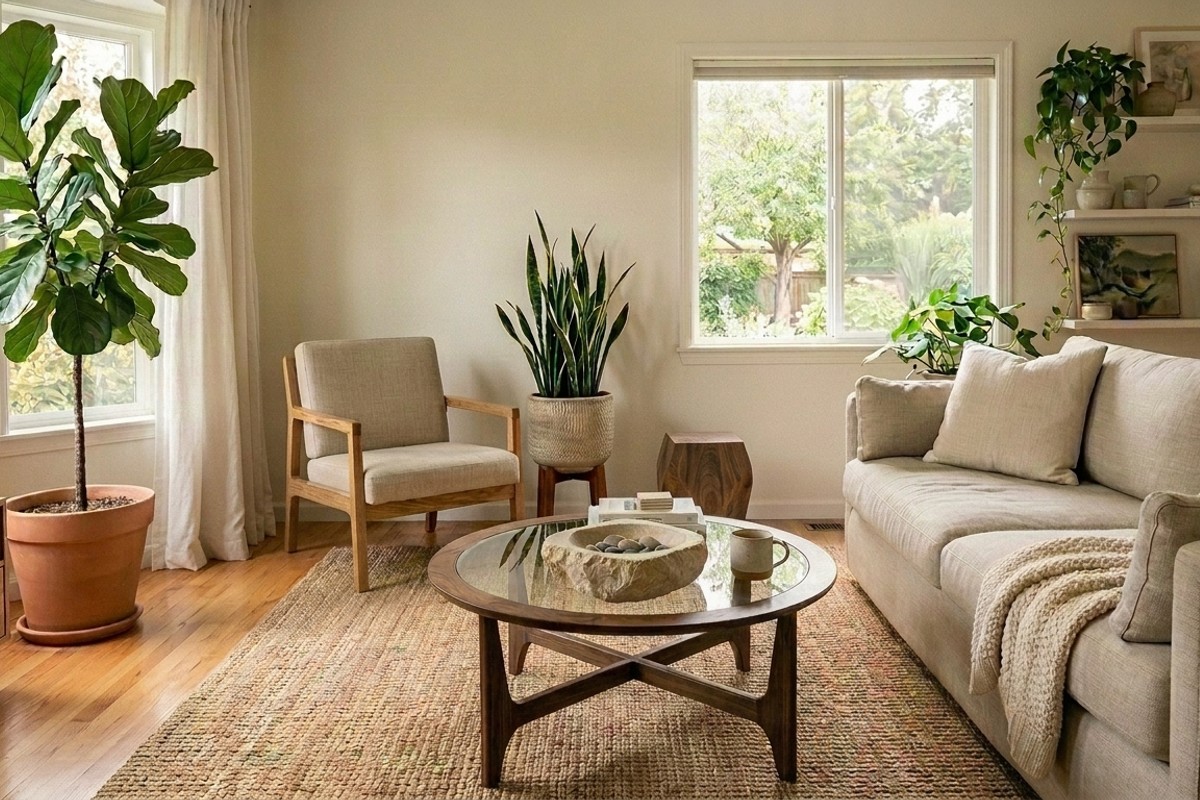
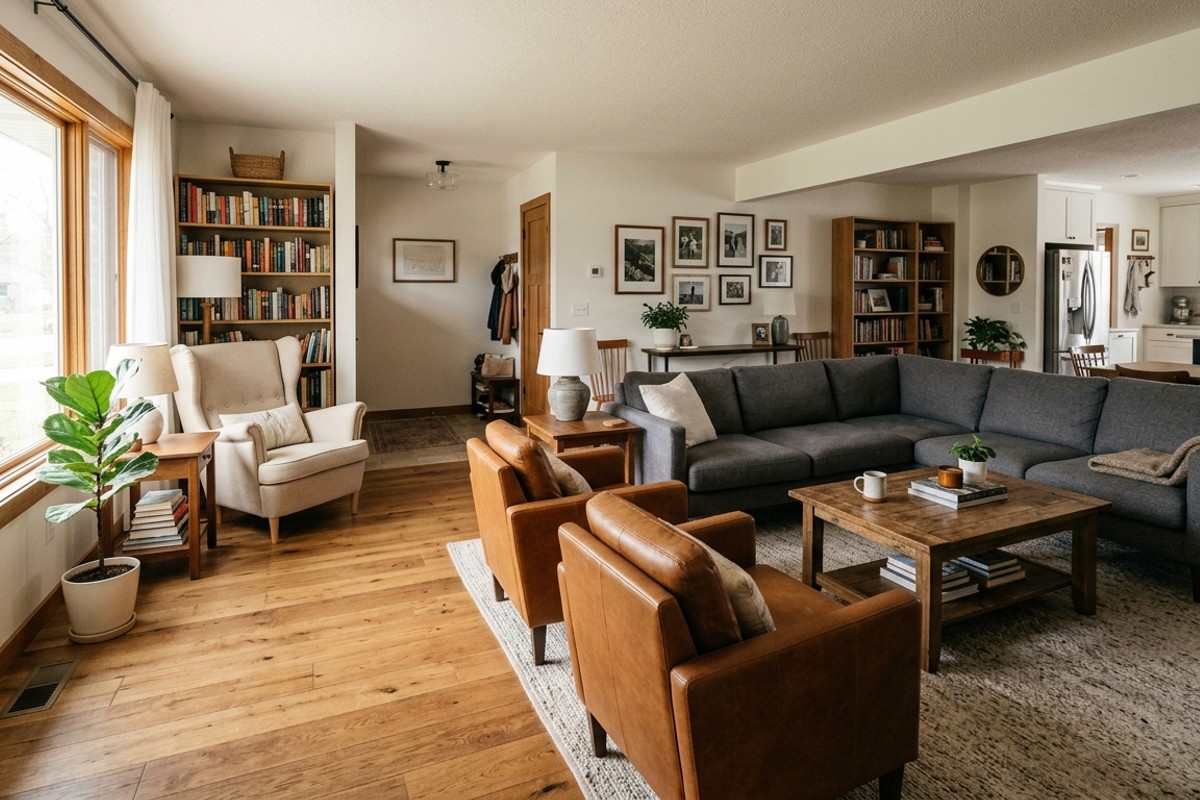
Bringing nature indoors instantly enhances a relaxing living room design. Add lush houseplants like a snake plant or a fiddle-leaf fig for fresh greenery.
Incorporate natural materials such as wooden accents, stone bowls, or woven jute rugs. These elements connect you to the outdoors, promoting a grounded and calming feeling.
6. Prioritize Plush, Inviting Seating
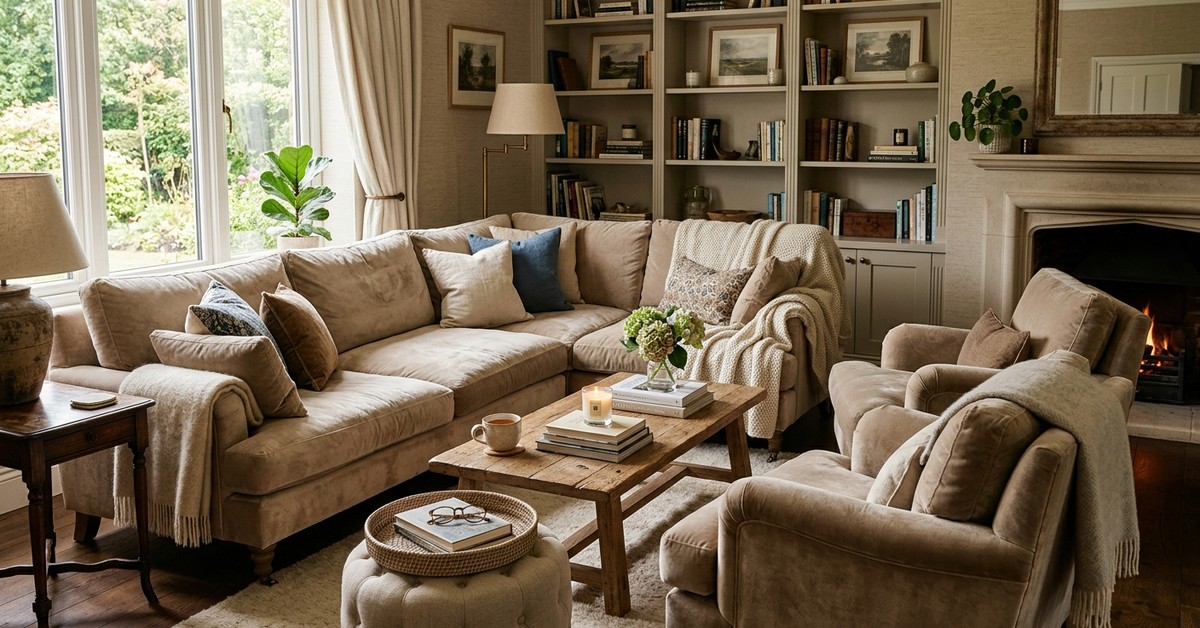
Comfortable seating is non-negotiable for a truly relaxing living room. Choose sofas and armchairs with deep cushions and soft upholstery that encourage lounging.
Ensure there’s enough room for you to comfortably stretch out or curl up with a book. A well-placed ottoman or pouf can further elevate your comfort and relaxation.
7. Crafting Your Relaxing Living Room Design with Thoughtful Layout
A functional and flowing layout is essential for a peaceful environment. Arrange furniture to facilitate easy movement and intimate conversation, avoiding barriers.
Create distinct zones if your space allows, perhaps a reading nook by the window and a central seating area. This thoughtful spatial planning contributes significantly to a serene living room design.
Conclusion
Designing a truly relaxing living room sanctuary is about intention—making conscious choices that prioritize comfort, calm, and personal well-being. By embracing these tips, you’re not just decorating; you’re cultivating a space that nurtures your soul.
Start with one or two changes and watch your living room transform into the peaceful escape you’ve always dreamed of. Your sanctuary awaits.
Frequently Asked Questions
We hope these tips help you elevate your Living Room!
Thanks for visiting us!