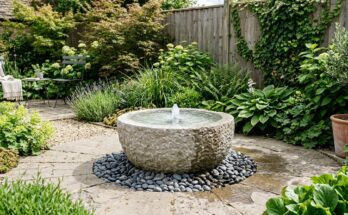
Dreaming of a vibrant outdoor oasis that doesn’t demand every spare moment of your weekend? Many homeowners desire a stunning landscape but dread the endless weeding, watering, and pruning required to maintain it.
Achieving a lush, beautiful yard without the constant upkeep is entirely possible. This guide delivers 10 smart tips to cultivate a gorgeous low-maintenance garden design, ensuring you spend more time relaxing and less time toiling.
1. Prioritize Smart Plant Choices for Easy Garden Maintenance
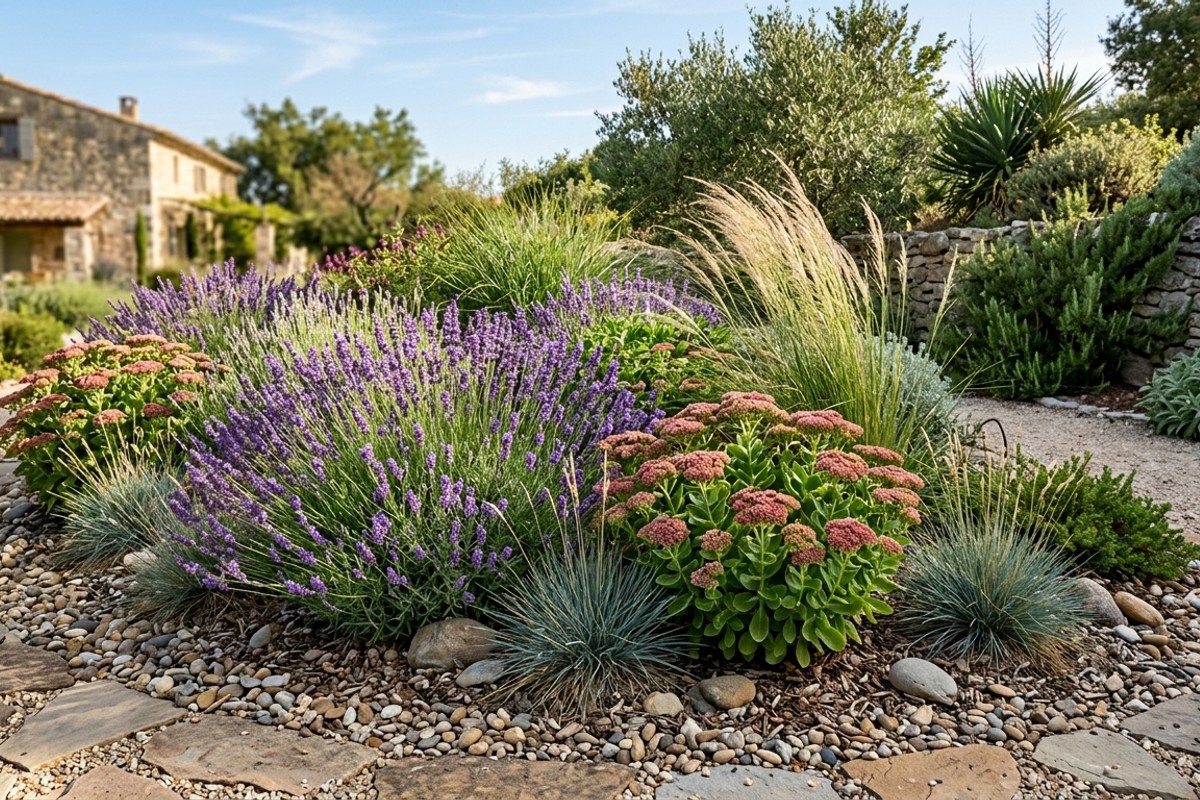
The foundation of any low-upkeep landscape lies in choosing the right plants. Opt for native species, which thrive in your local climate and soil, requiring less water and fewer interventions. Consider drought-tolerant perennials like lavender, sedum, or ornamental grasses, alongside hardy shrubs such as hydrangeas or spireas, for year-round interest and minimal fuss.
2. Embrace Hydrozoning and Group Plants by Water Needs
To implement truly low water garden ideas, group plants with similar irrigation requirements together. This practice, known as hydrozoning, ensures efficient watering, preventing over or under-watering of specific beds. Place thirsty plants near the house or easily accessible areas, while drought-resistant varieties can flourish in outer zones.
3. Implement Generous Mulching for Weed Suppression
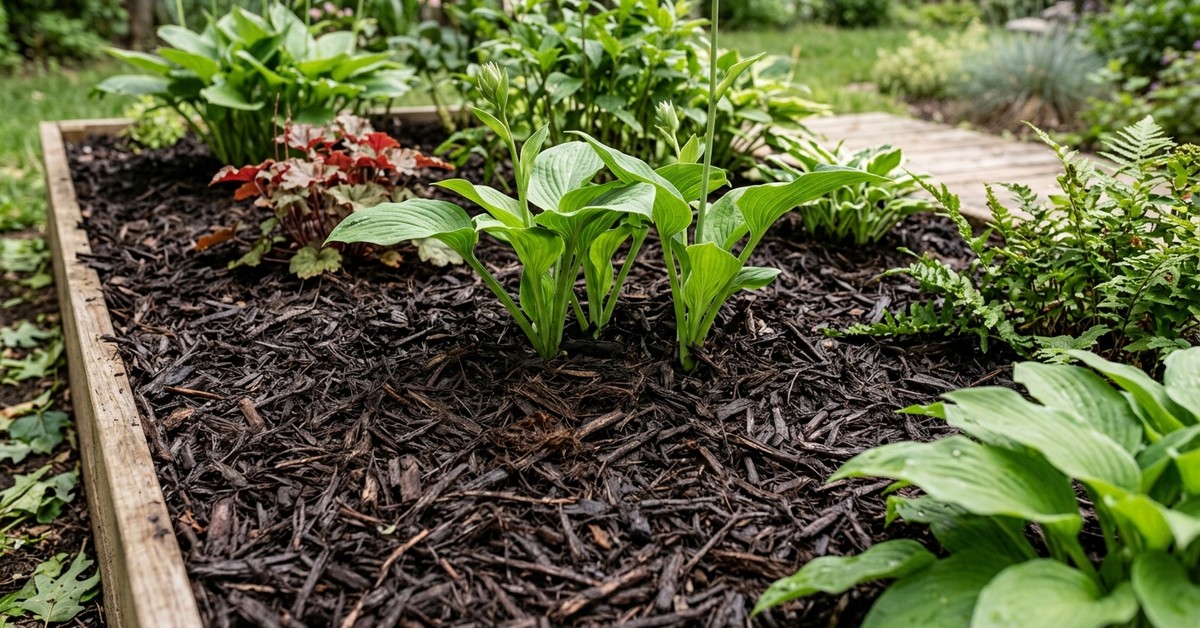
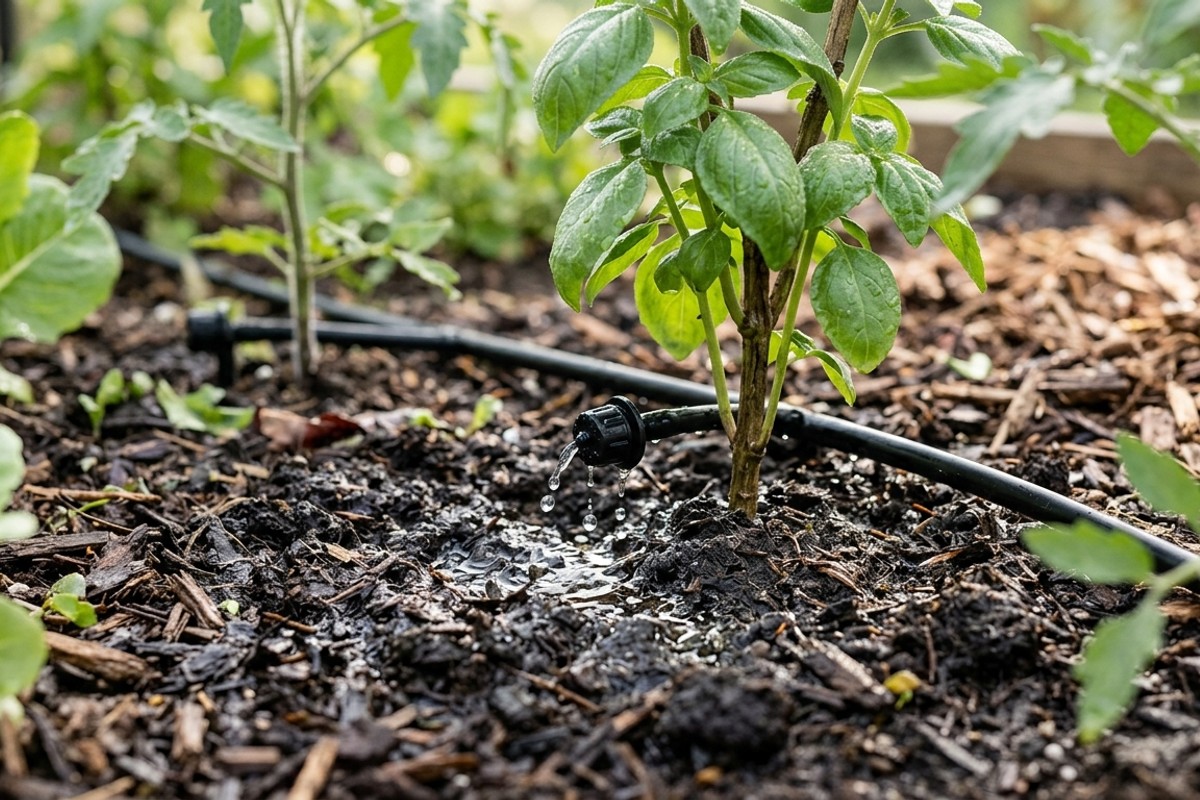
A thick layer of organic mulch is your best friend for easy garden maintenance. Apply 2-4 inches of wood chips, shredded bark, or compost around your plants. This suppresses weeds, retains soil moisture, regulates soil temperature, and slowly adds nutrients, drastically reducing your weeding and watering tasks.
4. Invest in Efficient Irrigation Systems
Automate your watering with drip irrigation or soaker hoses, especially for new plantings and garden beds. These systems deliver water directly to the plant roots, minimizing evaporation and runoff. A smart irrigation controller can further optimize watering schedules based on local weather, making your low-maintenance garden design even more hands-off.
5. Incorporate Hardscaping for Structure and Reduced Planting
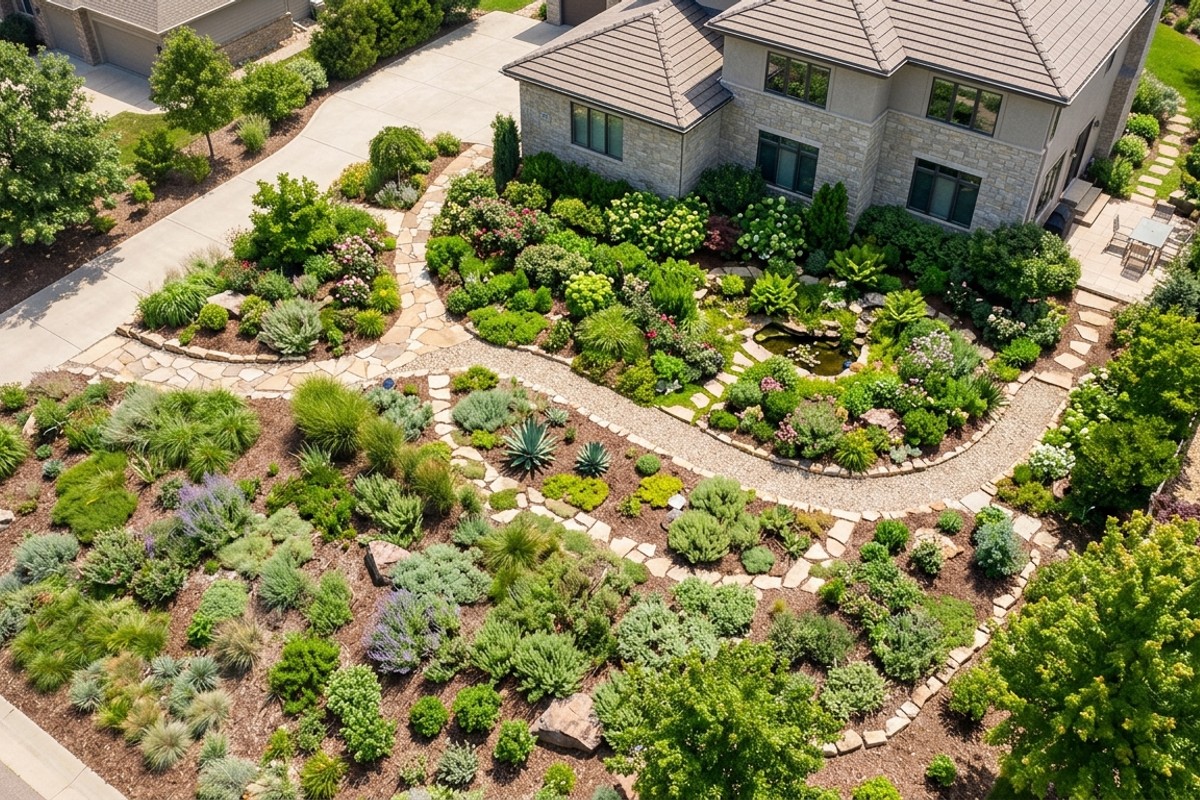
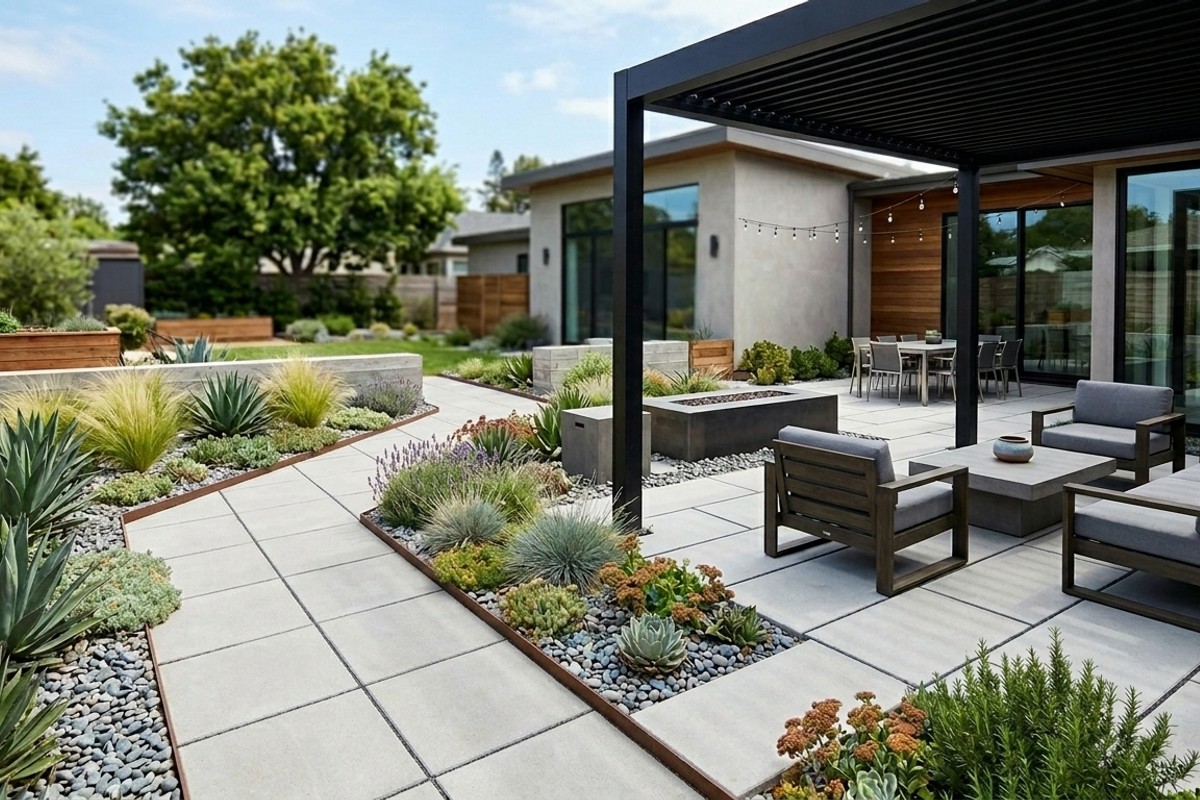
Well-planned hardscaping elements like patios, pathways, raised beds, and decorative stone areas significantly reduce the amount of planted space requiring attention. Choose durable, permeable materials like pavers, gravel, or decomposed granite that complement your home’s aesthetic and minimize runoff. This creates beautiful zones without extensive planting.
6. Limit Lawn Areas or Choose Low-Maintenance Alternatives
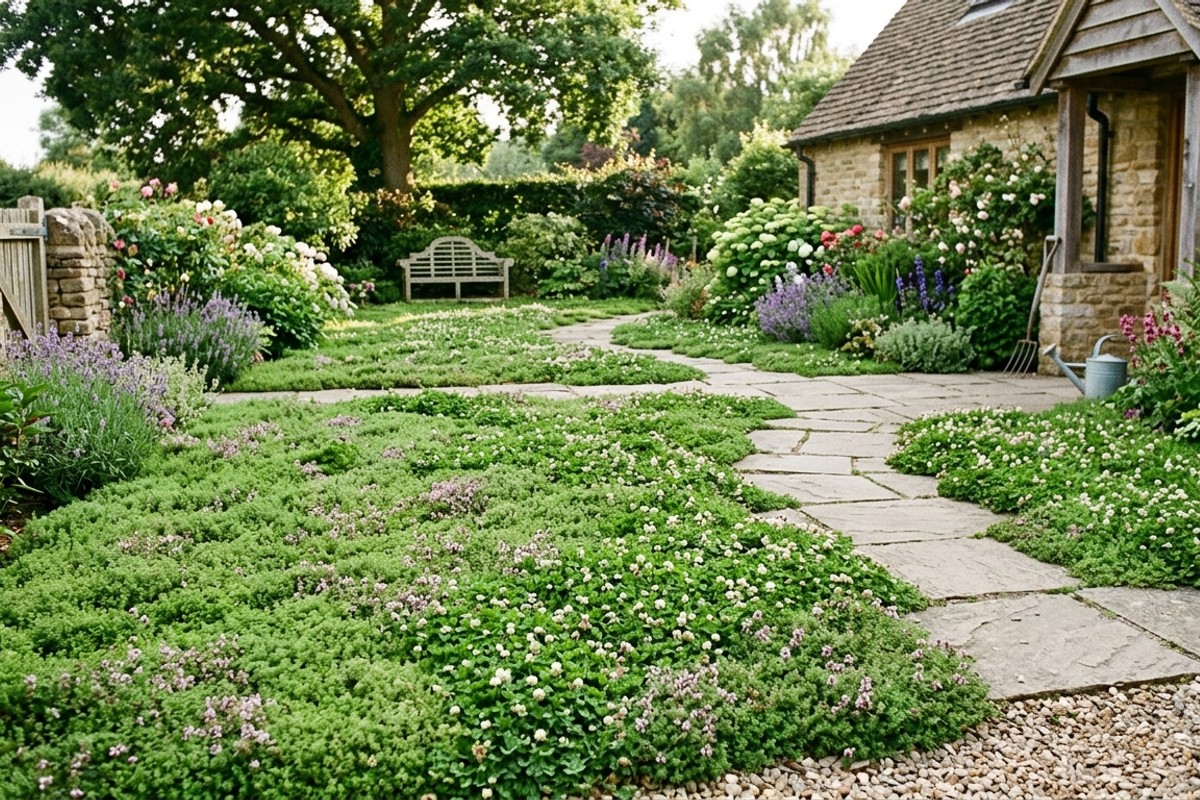
Traditional lawns are notoriously high-maintenance, demanding regular mowing, fertilizing, and watering. Reduce the size of your lawn or consider replacing it with groundcovers like creeping thyme, clover, or even artificial turf. These alternatives offer greenery with a fraction of the upkeep, enhancing your low-maintenance garden design.

7. Design with Containers and Raised Beds
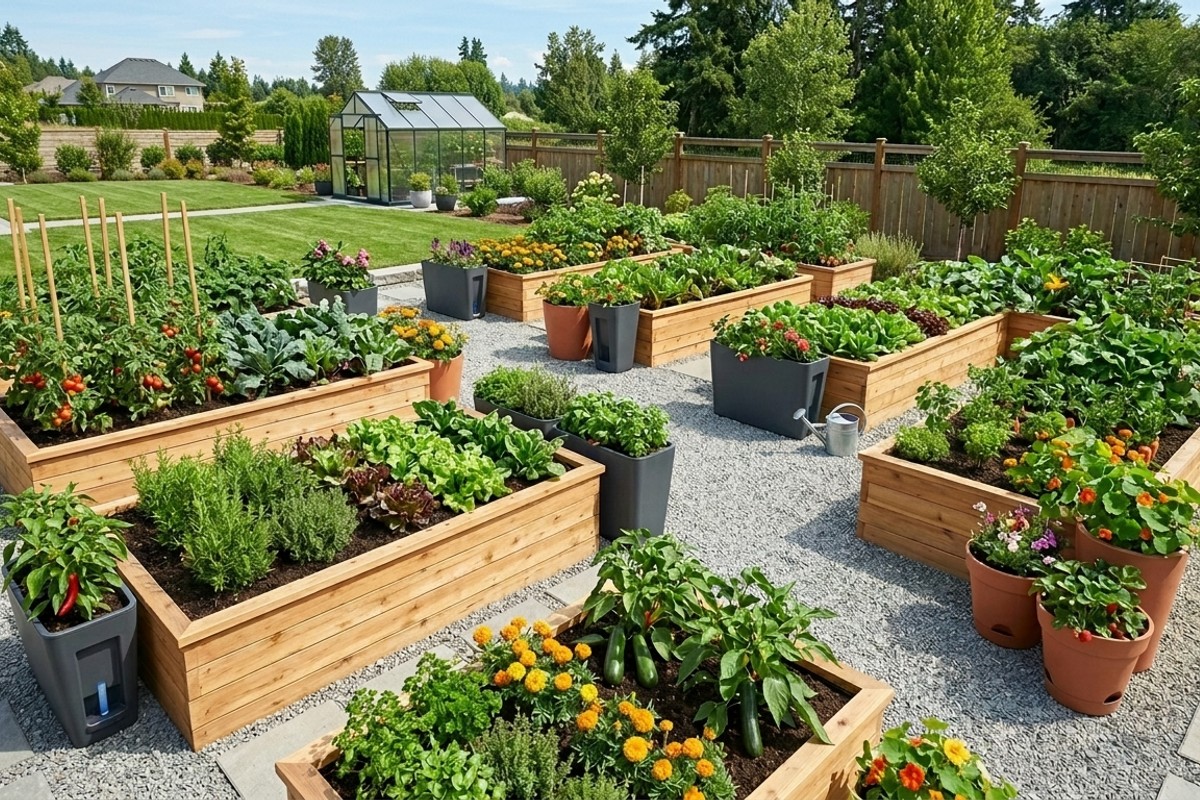
Raised garden beds and strategic containers elevate your planting, making weeding and tending much easier on your back. They also offer better control over soil quality and drainage. Use self-watering containers for an extra layer of convenience, allowing you to enjoy vibrant blooms and edibles with less effort.
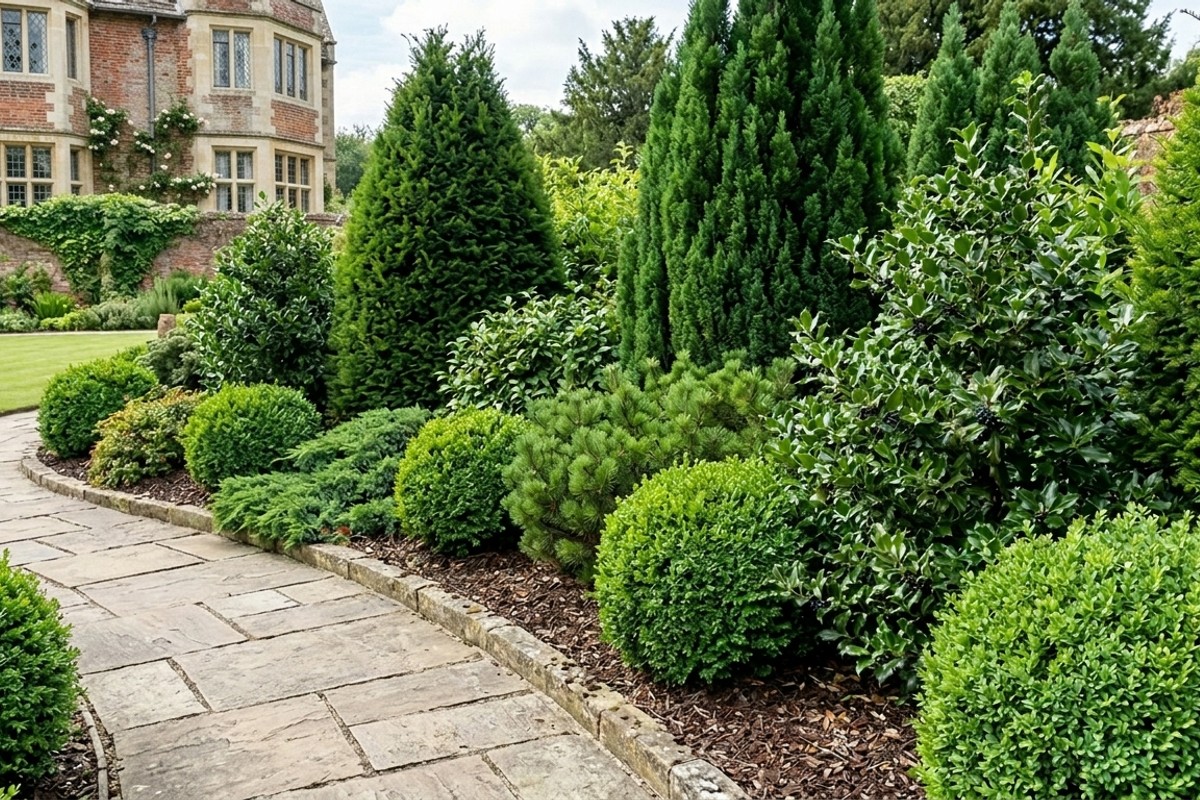
8. Choose Evergreen Plants and Structural Shrubs
To ensure year-round beauty without constant seasonal replanting, focus on evergreens and structural shrubs. Boxwoods, conifers, hollies, and certain varieties of rhododendrons provide consistent greenery and form. These plants offer enduring interest, require minimal pruning, and form a strong backbone for your low-maintenance garden design.
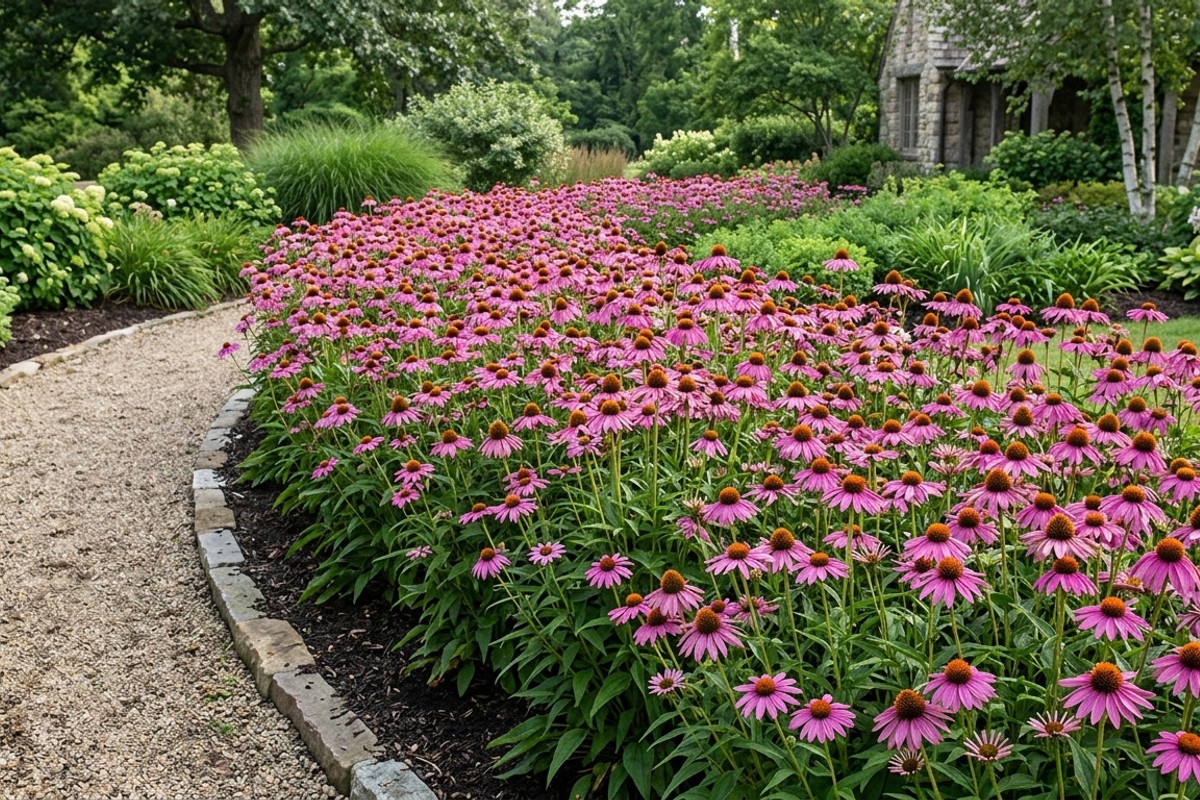
9. Group Plants for Visual Impact and Easy Pruning
Mass planting of the same species creates a striking visual impact and simplifies maintenance. Instead of individual plants scattered throughout, use drifts of perennials or shrubs. This not only looks cohesive but also makes seasonal tasks like deadheading or light pruning much more efficient.
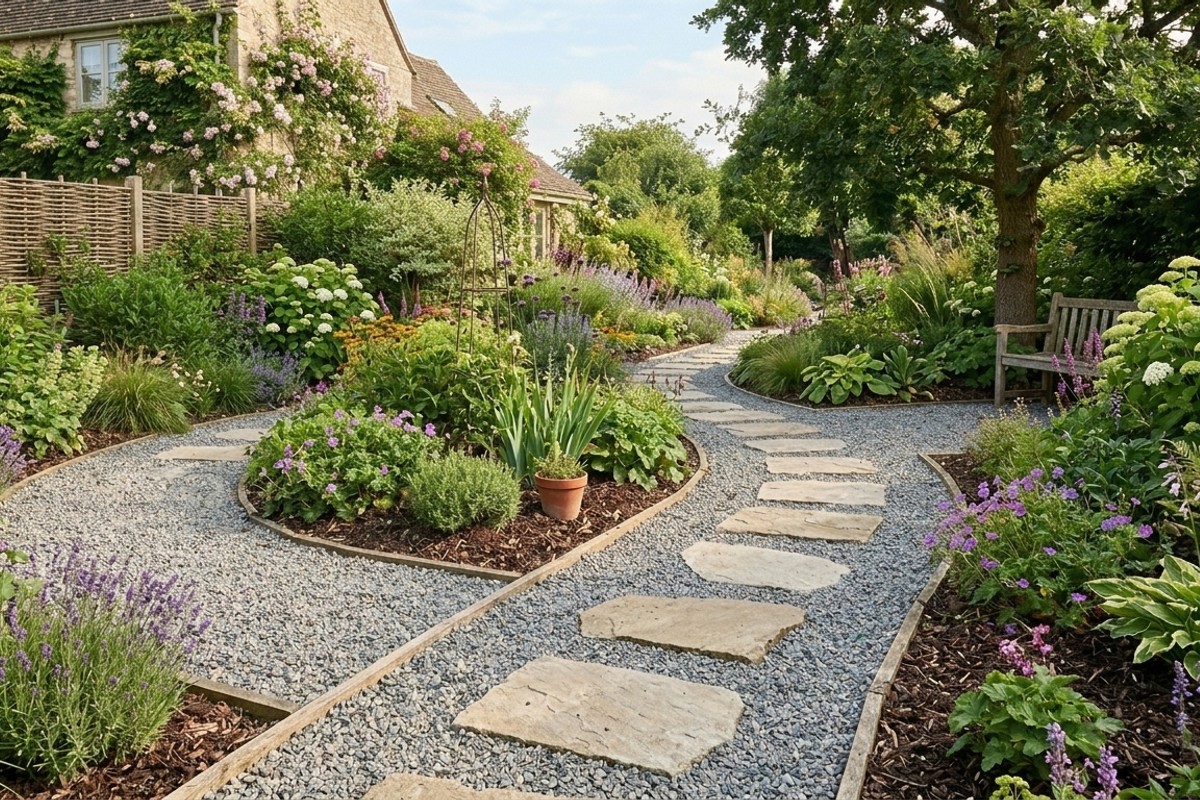
10. Plan for Accessibility and Efficient Pathways
Even a low-maintenance garden needs occasional tending. Design your pathways and garden beds with accessibility in mind, ensuring you can easily reach all areas for planting, mulching, or light pruning. Wide paths and strategically placed stepping stones prevent trampling and make routine checks a breeze.
Conclusion
Cultivating a beautiful outdoor space doesn’t have to mean sacrificing your precious weekends. By implementing these smart principles of low-maintenance garden design, you can create a stunning, vibrant landscape that thrives with minimal effort. Start small, make intentional choices, and reclaim your leisure time while still enjoying the beauty of nature right outside your door.
Frequently Asked Questions
We hope these tips help you elevate your Garden!
Thanks for visiting us!