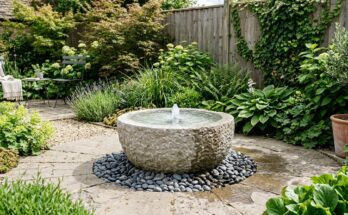
Dreaming of a refreshing dip in your own backyard oasis? Discover how innovative sustainable pool designs can transform your outdoor space into an eco-conscious paradise.
From chemical-free swimming ponds to cutting-edge filtration systems and thoughtful material choices, we’re diving deep into eight low-impact pool ideas that are kind to both the planet and your pocketbook. Get ready to explore beautiful and functional options for your home.
1. Natural Swimming Pools (NSPs)
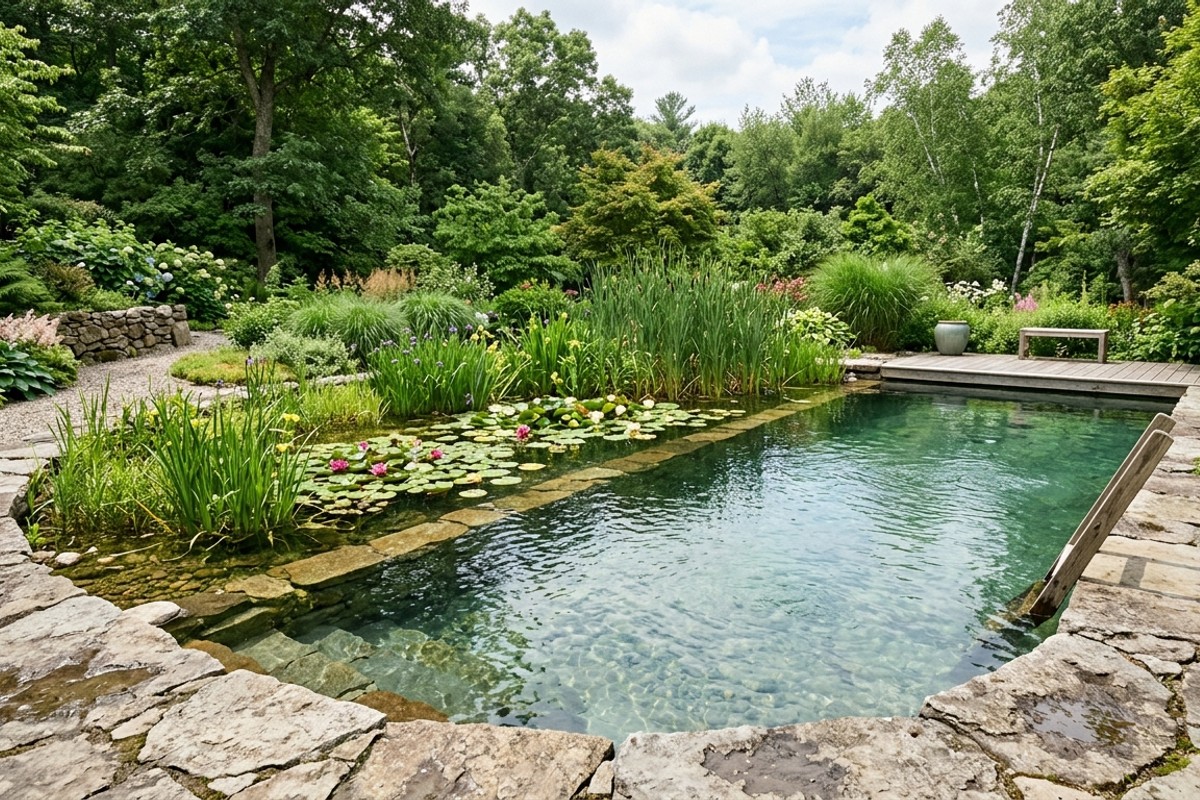
Imagine swimming in crystal-clear water, purified by plants and gravel instead of harsh chemicals. Natural Swimming Pools, or NSPs, achieve this by creating a separate regeneration zone.
This zone, typically filled with aquatic plants and beneficial microorganisms, naturally filters the water. It offers a truly eco-friendly pool experience, blending seamlessly with your landscape.
The result is a biologically active pool ecosystem, inviting local wildlife and providing a stunning, maintenance-light feature. Embrace lily pads and reeds as part of your design.
2. Saltwater Chlorination Systems
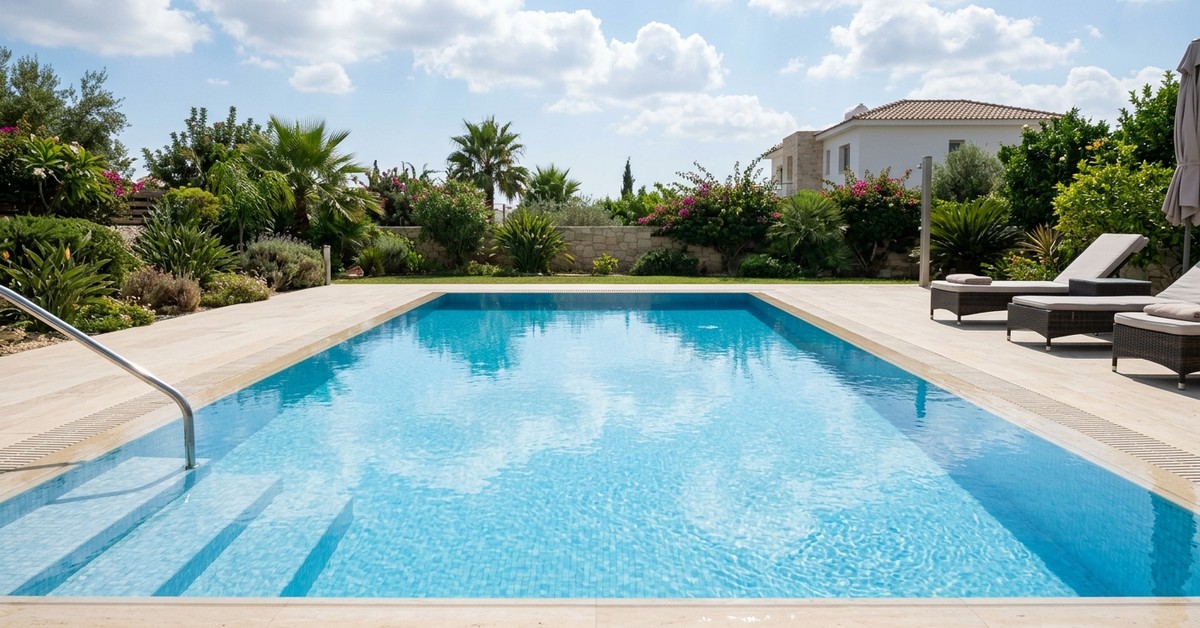
While not entirely chemical-free, saltwater pools significantly reduce the need for added chlorine. A salt chlorinator converts dissolved salt into a low level of chlorine gas.
This process provides effective sanitation without the harsh smell or irritation of traditional chlorine. It’s gentler on your skin, eyes, and swimwear, enhancing your swimming comfort.
Modern saltwater systems are also highly energy-efficient. They represent a smart step towards more sustainable pool designs for many homeowners.
3. Advanced Filtration and Sanitation
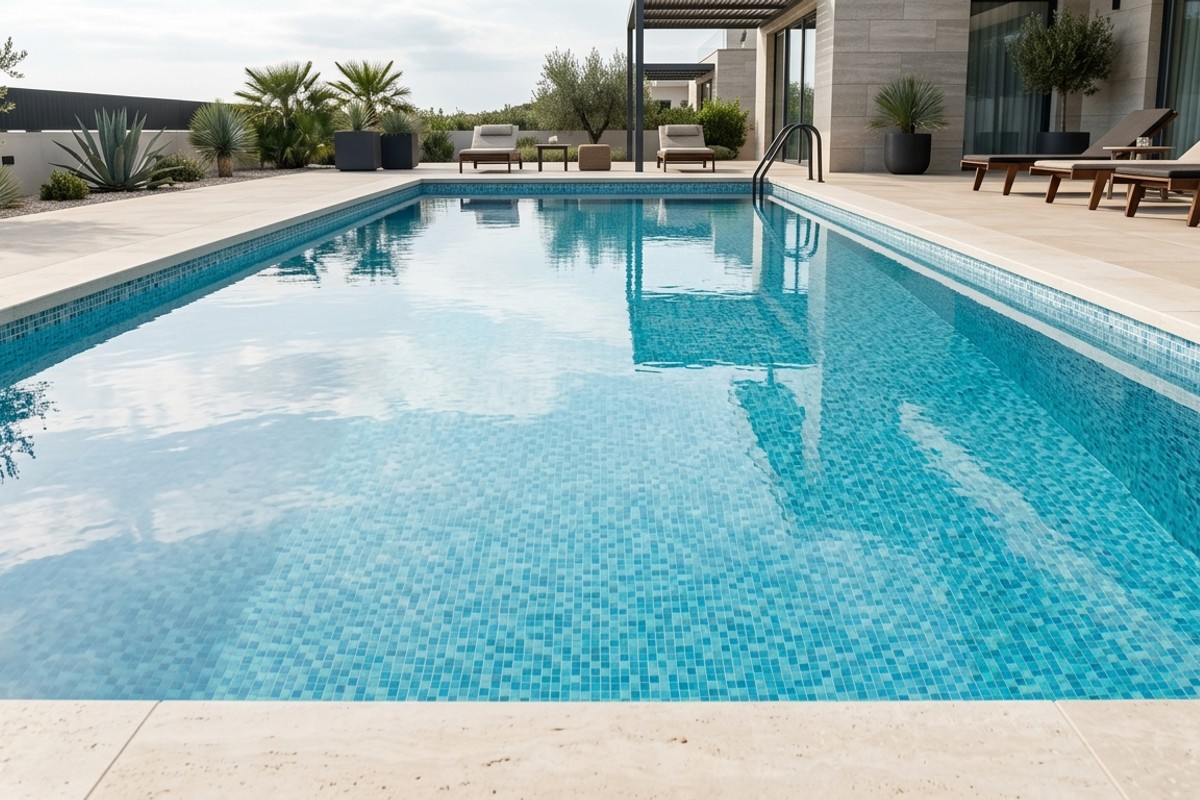
Beyond traditional methods, cutting-edge filtration systems offer superior water quality with less environmental impact. Think UV purifiers and ozone generators.
UV systems use ultraviolet light to neutralize bacteria, viruses, and algae, drastically reducing the need for chemical sanitizers. Ozone systems inject O3 gas into the water for powerful oxidation.
These technologies work in tandem with minimal chlorine, providing pristine water that’s safer for swimmers and the planet. They are key components of truly green backyard pools.
4. Solar Pool Heating
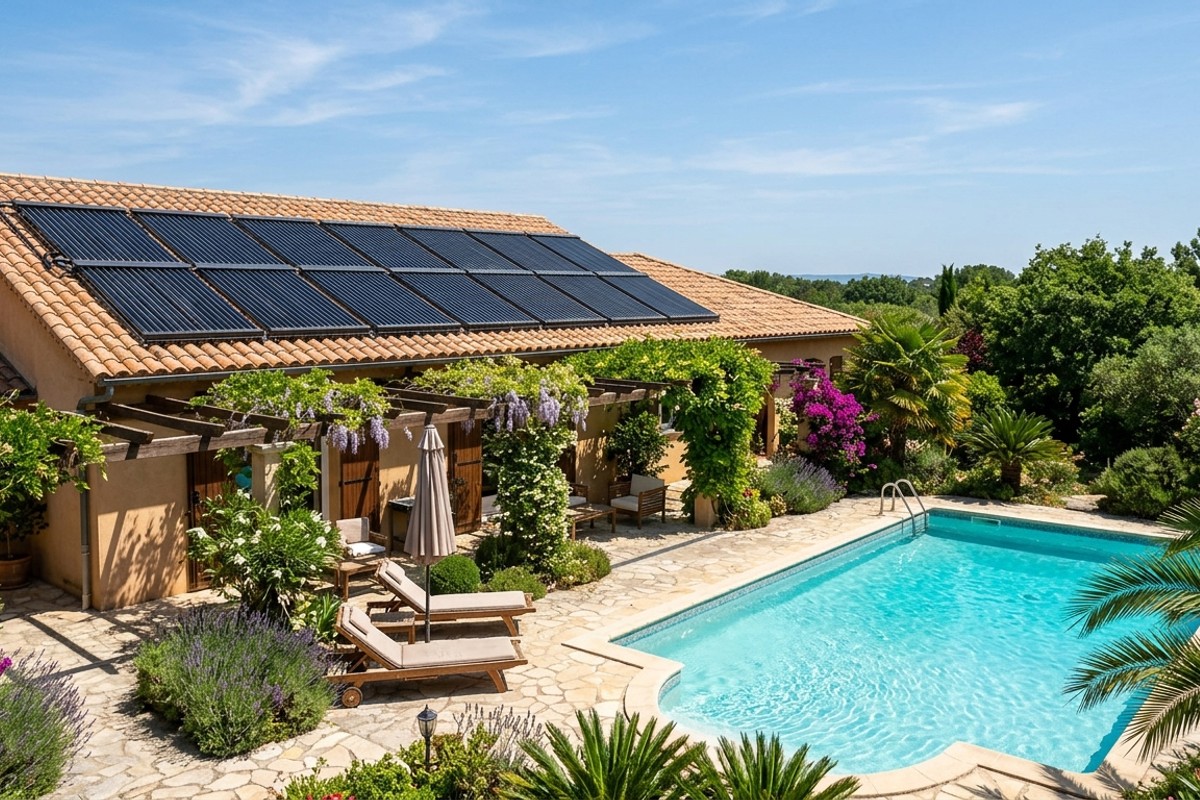
Extend your swimming season comfortably and sustainably with solar pool heating. These systems harness the sun’s energy, warming your pool water with zero operating costs.
Solar collectors, typically mounted on a roof or a dedicated ground array, circulate pool water through dark tubes. The sun’s warmth then transfers directly to the water.
This approach drastically cuts down on energy bills associated with gas or electric heaters. It’s one of the most effective energy-efficient pool designs you can incorporate.
5. Plunge Pools and Small Footprint Designs
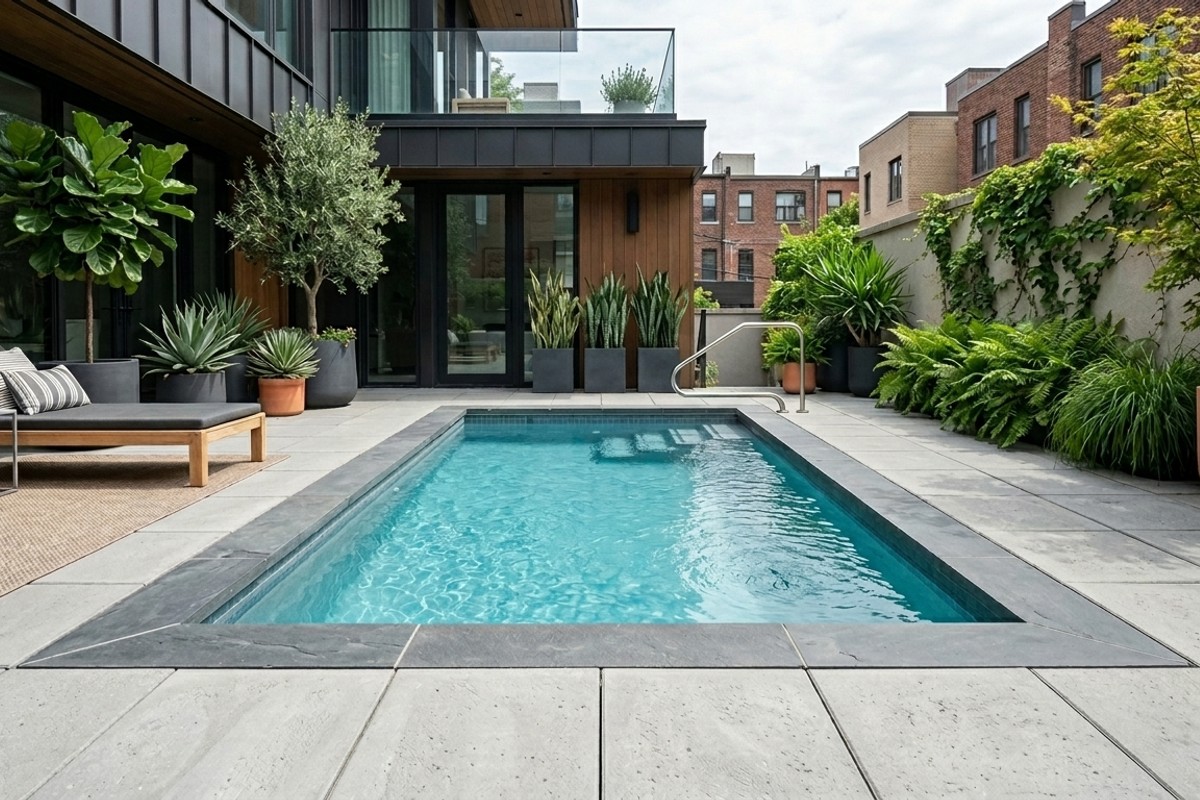
For smaller yards or those wanting a compact aquatic feature, plunge pools are an excellent choice. Their reduced size means less water consumption and energy for heating and filtration.

These pools offer a refreshing dip or a place to lounge, not necessarily long laps. They can be seamlessly integrated into patios or tight urban spaces with stylish, minimalist designs.
Opting for a smaller footprint aligns perfectly with low-impact pool ideas. You still get the luxury of water without the extensive resource demands of a full-sized pool.
6. Recycled and Sustainable Materials
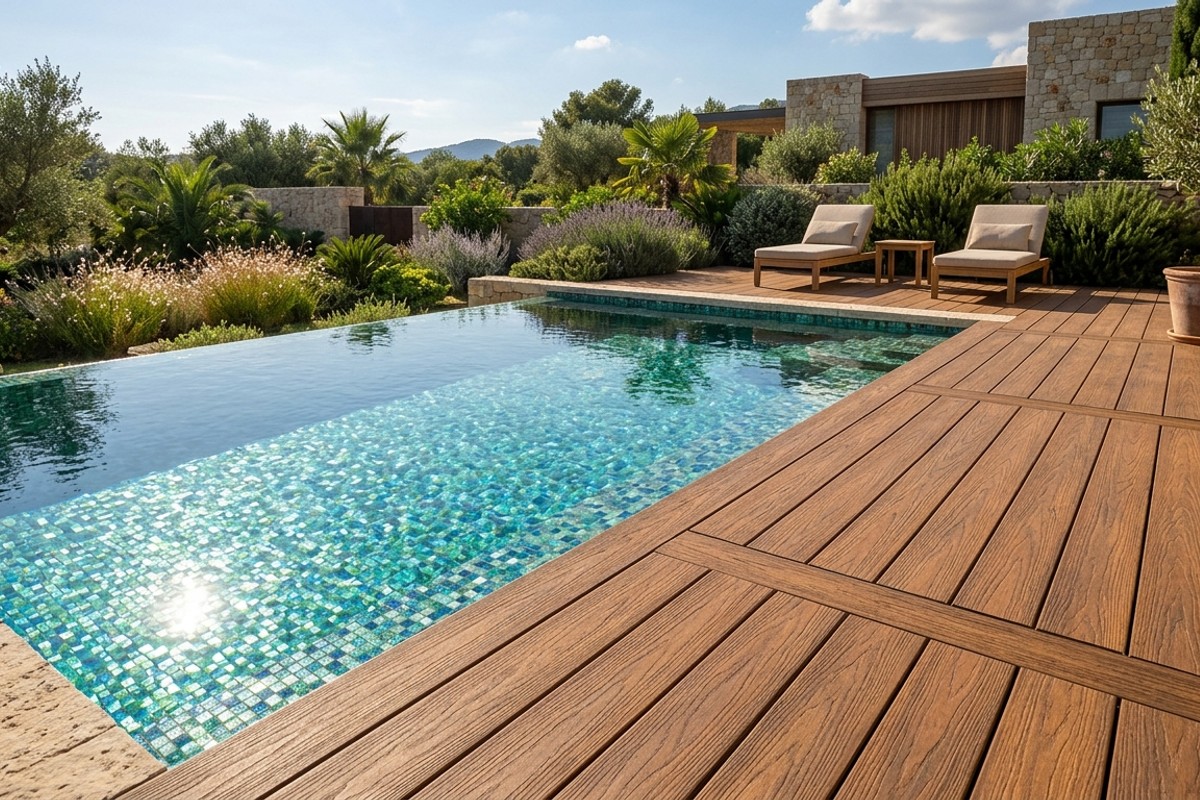
The materials surrounding your pool can make a huge environmental difference. Consider recycled glass tiles for the interior or reclaimed wood for decking.
Composite decking, made from recycled plastics and wood fibers, offers durability and low maintenance without depleting new timber resources. Look for local, sustainably sourced stone for coping.
These choices not only reduce waste but often provide unique textures and aesthetics. They ensure your pool area is both beautiful and responsibly constructed.
7. Rainwater Harvesting Systems
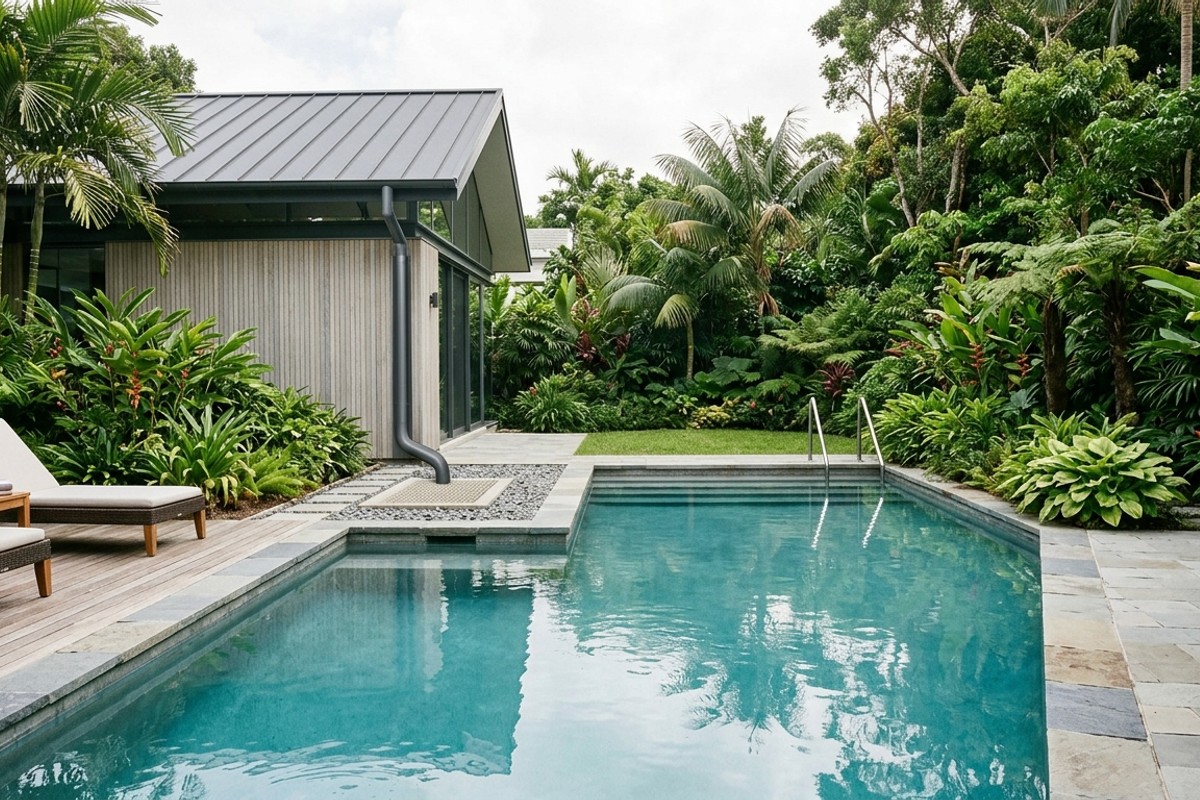
Minimize your reliance on municipal water for pool top-offs by integrating a rainwater harvesting system. Collect precipitation from your roof and store it in an underground cistern.
This captured rainwater can then be filtered and used to replenish your pool as evaporation occurs. It significantly reduces your household’s water footprint.
Such a system makes your green backyard pool even more self-sufficient and environmentally responsible. It’s a smart way to manage water resources.
8. Native Landscaping & Permeable Surrounds
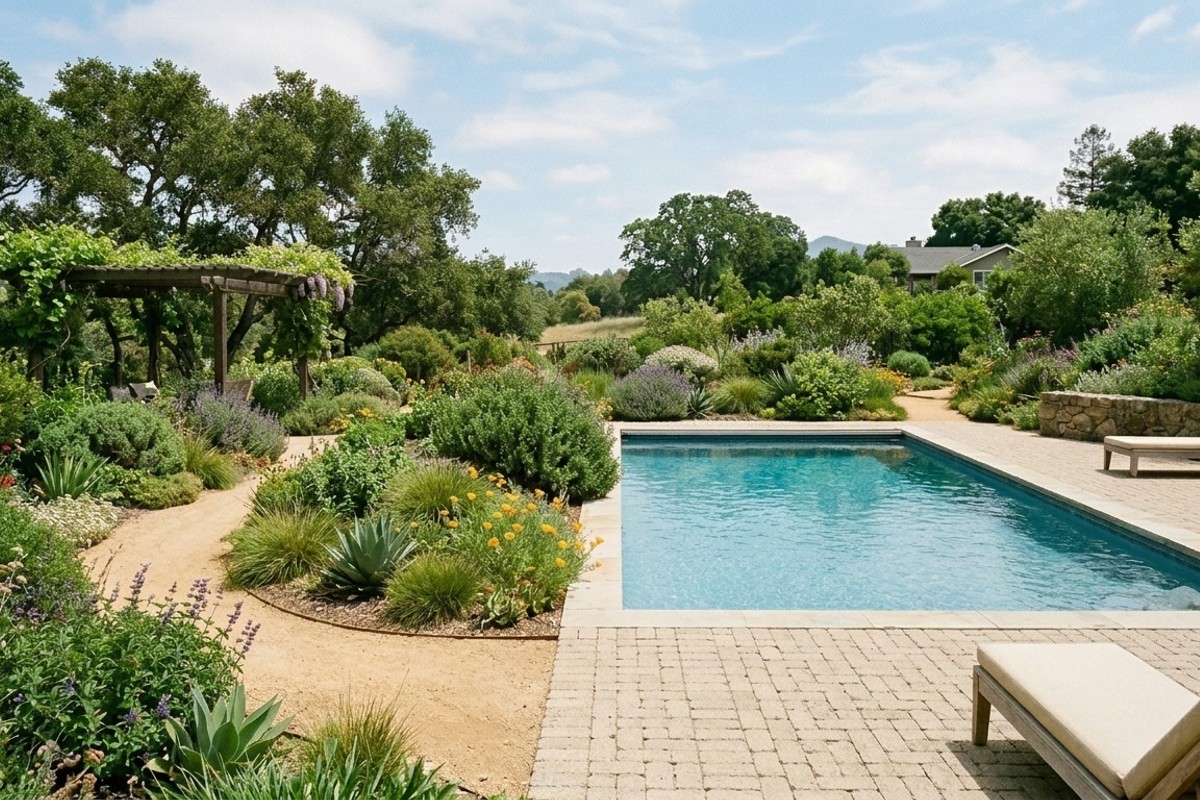
Surround your pool with native plants that require minimal irrigation once established. This conserves water and supports local biodiversity, creating a harmonious ecosystem.
Instead of impermeable concrete, choose permeable pavers, decomposed granite, or gravel for your pool deck and pathways. These materials allow rainwater to seep into the ground.
Permeable surfaces reduce stormwater runoff and replenish groundwater, preventing erosion and runoff pollution. This holistic approach makes your entire backyard more sustainable.
Final Thoughts
Embracing sustainable pool designs is a fantastic way to enjoy a personal oasis while caring for the planet. From natural filtration to smart material choices, there’s an option for every style and budget.
Which of these innovative ideas resonates most with your vision for a greener backyard? We hope these eco-friendly pools inspire your next outdoor project.
Frequently Asked Questions
We hope you found your next Pool inspiration!
Thanks for visiting us!