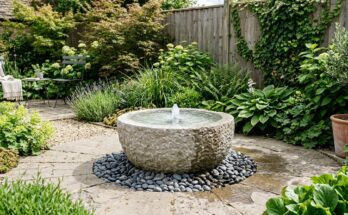
Transforming your backyard into a haven of natural beauty doesn’t have to come at the Earth’s expense; in fact, eco-friendly garden designs offer a beautiful synergy of aesthetics and sustainability. Imagine a space where native plants thrive, water is conserved, and local wildlife flourishes right outside your door.
This post will guide you through nine innovative and environmentally friendly gardens, showcasing how you can cultivate a truly sustainable backyard. From lush rain gardens to vibrant pollinator paradises, prepare to discover actionable sustainable garden ideas that will inspire your next outdoor project and foster a greener lifestyle.
1. Native Plant Sanctuary
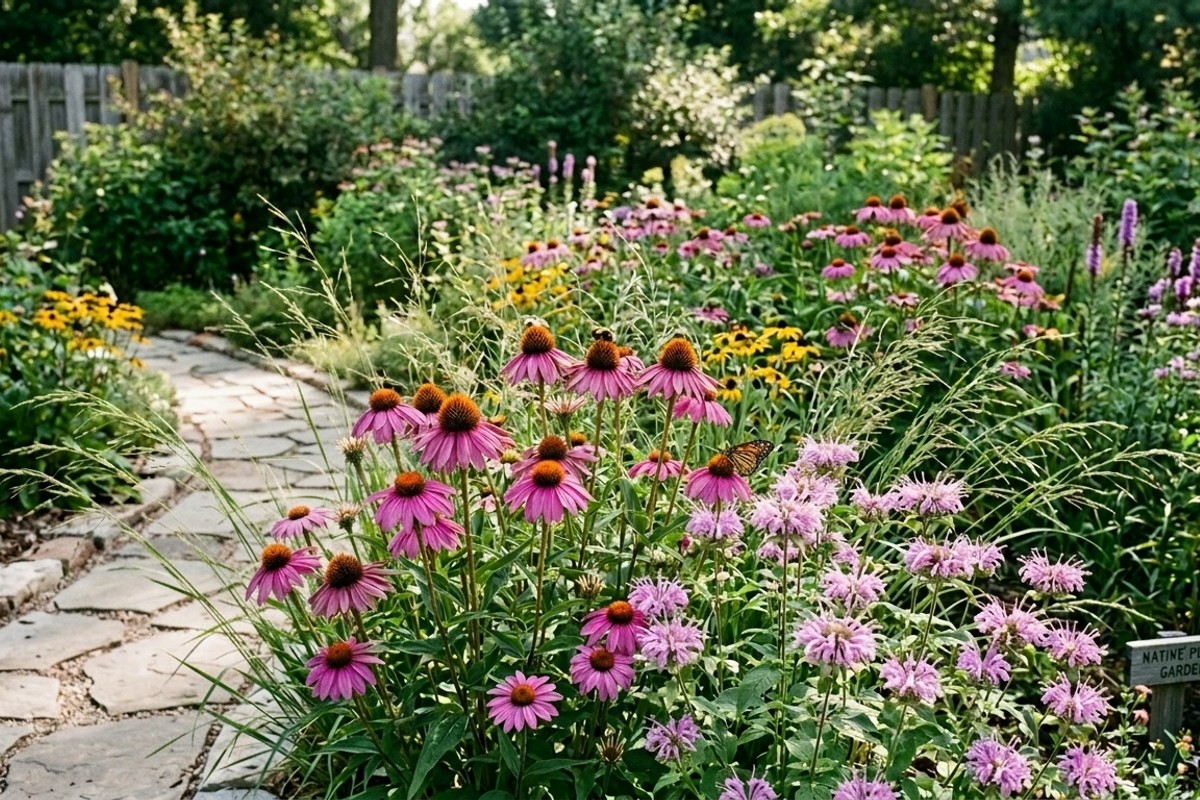
Creating a native plant sanctuary is one of the most impactful eco-friendly garden designs you can embrace. By selecting plants indigenous to your region, you dramatically reduce water needs, eliminate the demand for chemical fertilizers, and provide essential habitat and food sources for local wildlife.
Consider a palette of drought-tolerant coneflowers (Echinacea purpurea), graceful switchgrass (Panicum virgatum), and vibrant wild bergamot (Monarda fistulosa). These species are perfectly adapted to local soil and climate conditions, requiring minimal intervention once established. The result is a vibrant, low-maintenance landscape that buzzes with life.
2. Rain Garden Oasis
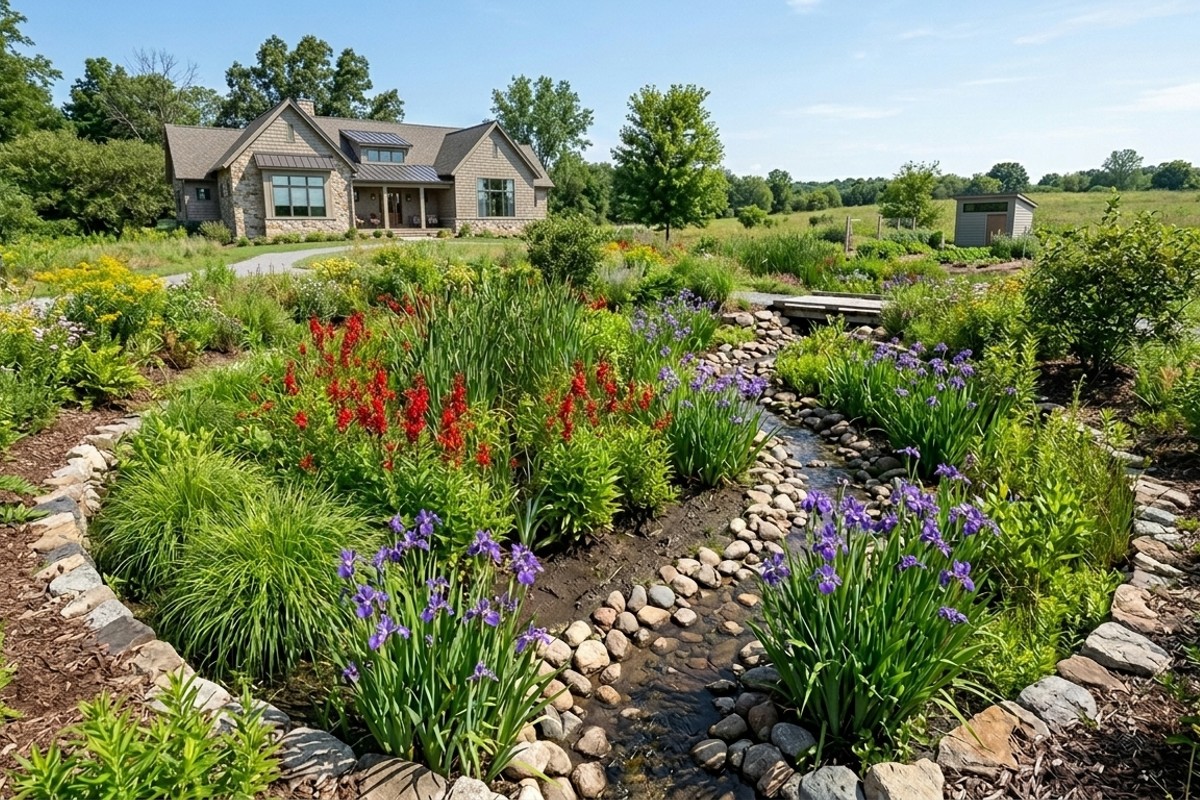
A rain garden is a clever, bowl-shaped depression in your landscape designed to capture and filter stormwater runoff from roofs, driveways, or other impervious surfaces. This brilliant green garden design prevents pollutants from entering waterways and replenishes groundwater.
Line your rain garden with moisture-loving plants like irises, sedges, and cardinal flowers. These plants not only tolerate periodic saturation but also help absorb and clean the water. It’s an effective and visually appealing solution for managing rainwater responsibly in your eco-conscious landscaping.
3. Pollinator Paradise
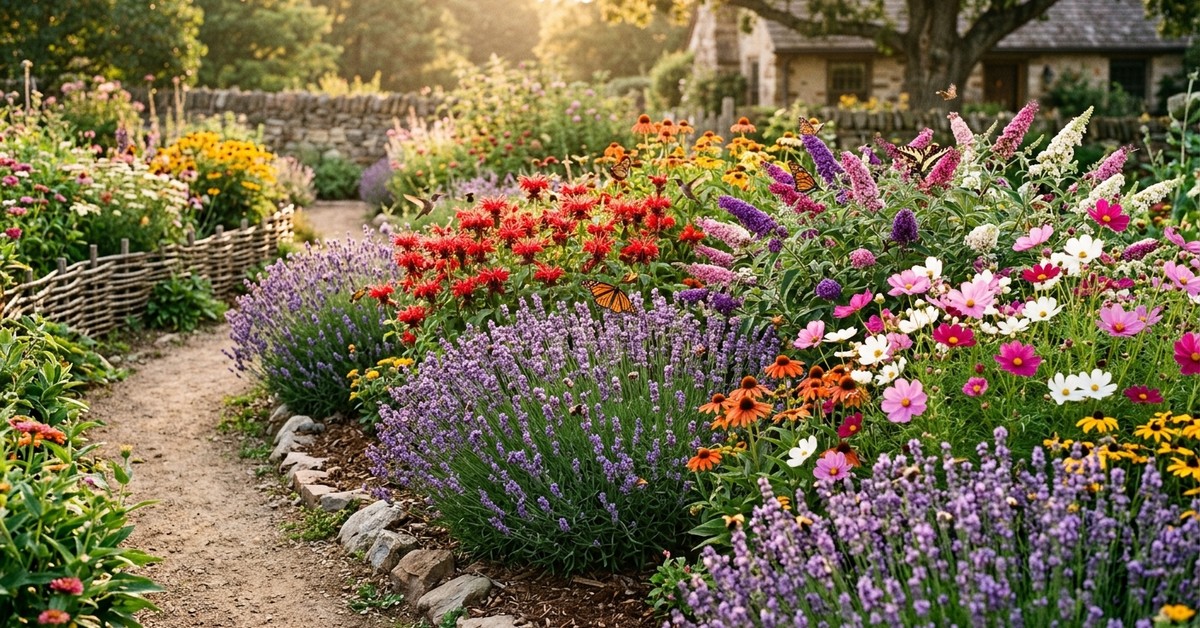
Invite bees, butterflies, and hummingbirds to your outdoor space by designing a dedicated pollinator paradise. These environmentally friendly gardens are crucial for supporting declining pollinator populations, which are vital for our ecosystems and food supply.
Plant a diverse array of nectar-rich flowers that bloom sequentially from spring to fall. Think lavender, bee balm, butterfly bush, and cosmos, arranged in drifts to create a vibrant tapestry of color and fragrance. Incorporate host plants like milkweed for monarch caterpillars to complete the cycle and ensure a thriving biodiversity.
4. Xeriscaping: Drought-Tolerant Design
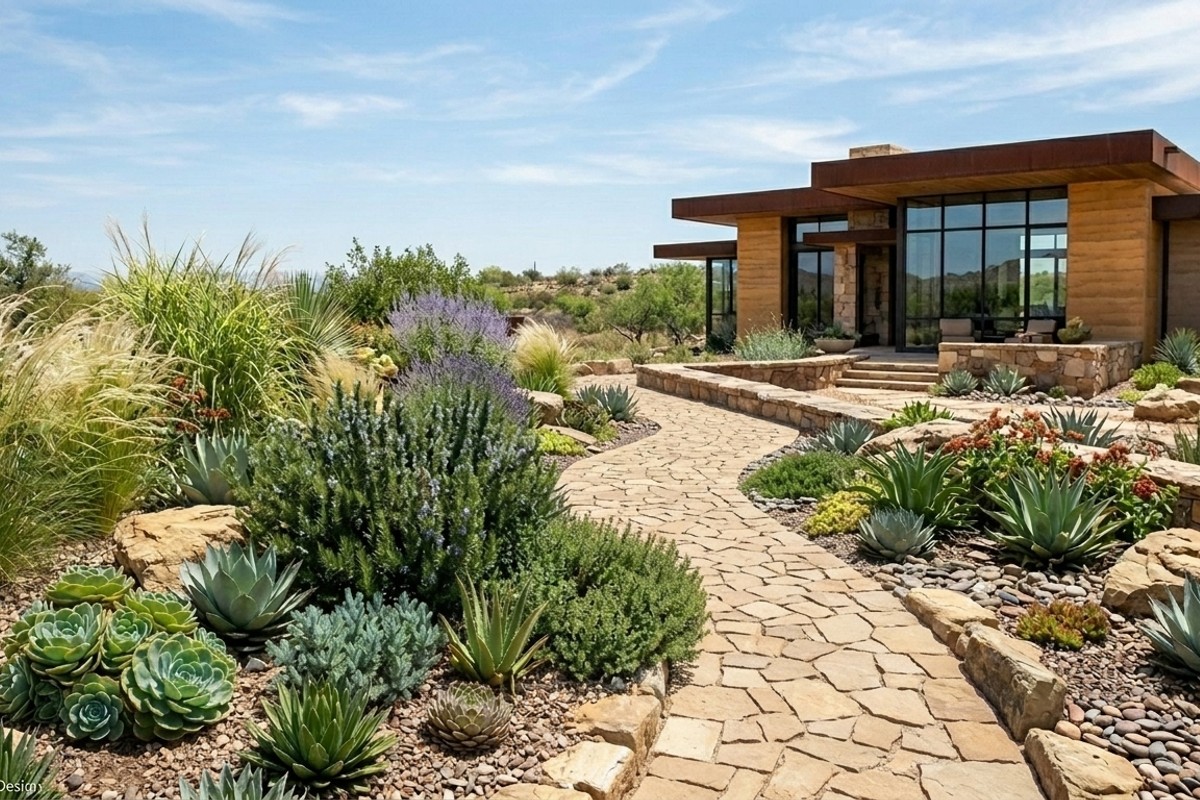
Xeriscaping focuses on water-efficient landscaping, making it ideal for arid climates or anyone looking to drastically reduce water consumption. This sustainable garden idea uses low-water plants, efficient irrigation, and thoughtful hardscaping to create stunning yet resilient outdoor spaces.
Choose succulents, ornamental grasses, and Mediterranean herbs like rosemary and thyme. Incorporate gravel paths, strategic rock placement, and permeable pavers to reduce runoff and enhance the natural aesthetic. Your landscape will remain beautiful and vibrant, even during dry spells.
5. Edible Landscape & Food Forest
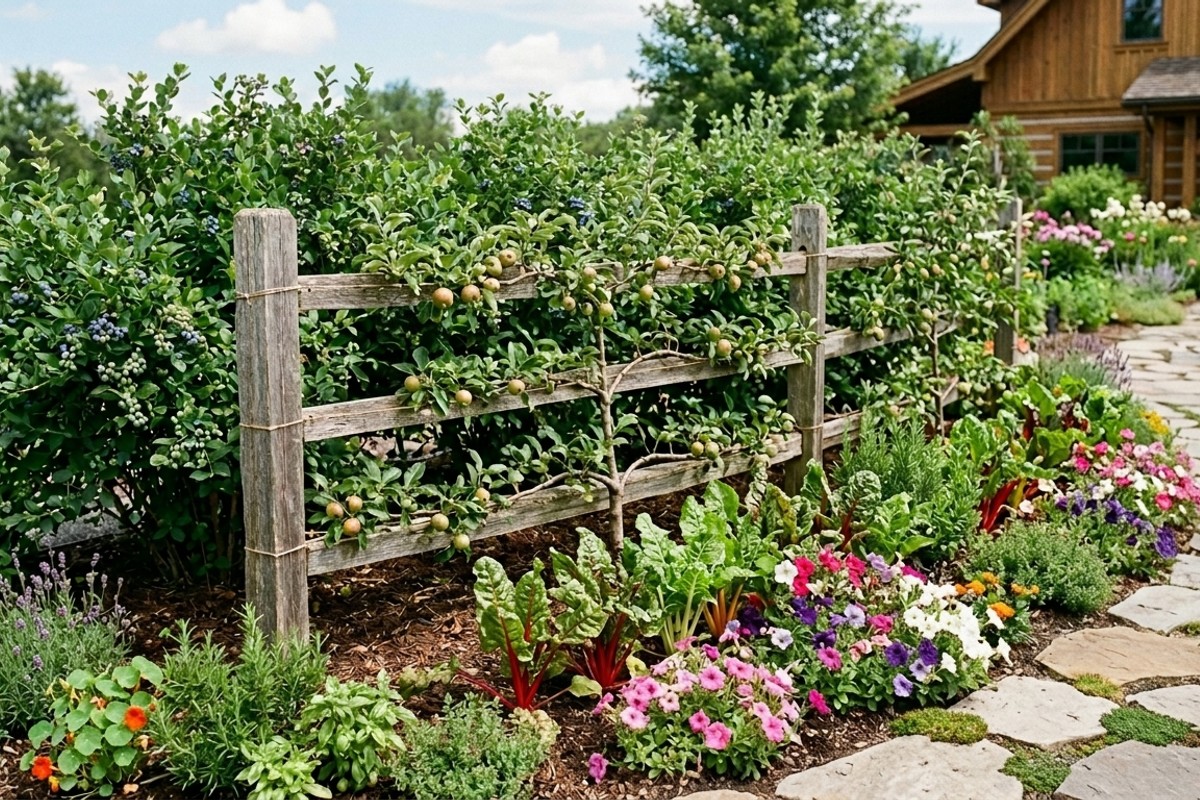
Blur the lines between ornamental and productive with an edible landscape or a burgeoning food forest. These eco-friendly garden designs integrate fruit trees, berry bushes, herbs, and vegetables directly into your aesthetic garden beds, maximizing your yield while minimizing your carbon footprint.
Imagine espaliered apple trees along a fence, blueberry bushes providing a lovely hedge, and vibrant chard growing alongside petunias. This approach not only provides fresh, organic produce but also creates a beautiful, dynamic, and highly functional outdoor space. It’s truly a sustainable garden idea for the mindful homeowner.

6. Compost & Permaculture Hub
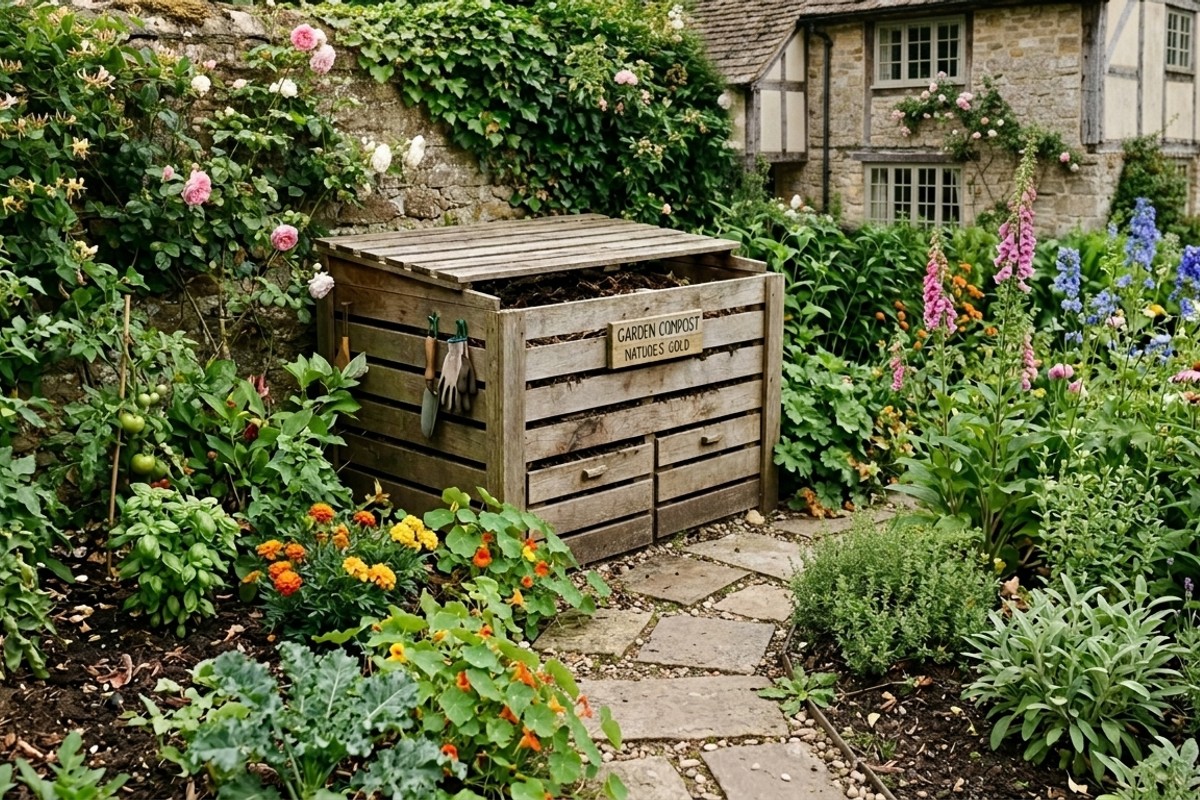
Integrate a dedicated composting system and permaculture principles directly into your garden plan. This green garden design minimizes waste, enriches soil, and creates a closed-loop system where all organic matter is returned to the earth, fostering incredible soil health.
A discreetly placed compost bin or worm farm can turn kitchen scraps and garden waste into nutrient-rich soil amendments. Incorporate companion planting, where different species mutually benefit each other, and practice sheet mulching to build soil layers over time. Your plants will thank you with robust growth and fewer pest issues.
7. Wildlife Habitat Garden
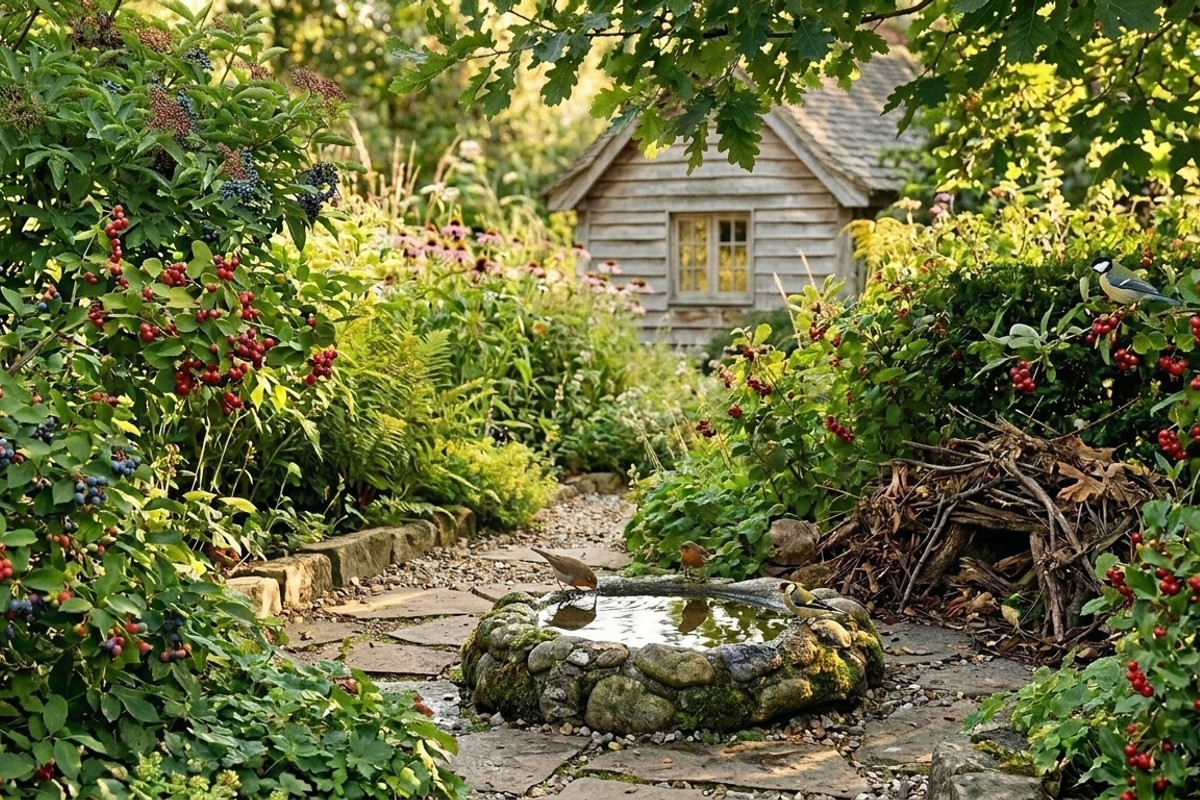
Beyond pollinators, a dedicated wildlife habitat garden provides essential elements for a wider range of local fauna. These environmentally friendly gardens offer food, water, shelter, and spaces to raise young, supporting the local ecosystem on a grander scale.
Plant berry-producing shrubs for birds, establish a shallow bird bath or small pond, and leave areas of brush piles or undisturbed ground for small critters. Choose a diverse selection of native plants to ensure a consistent supply of food and shelter throughout the seasons. This creates a truly dynamic and thriving outdoor sanctuary.
8. Vertical Garden & Green Wall
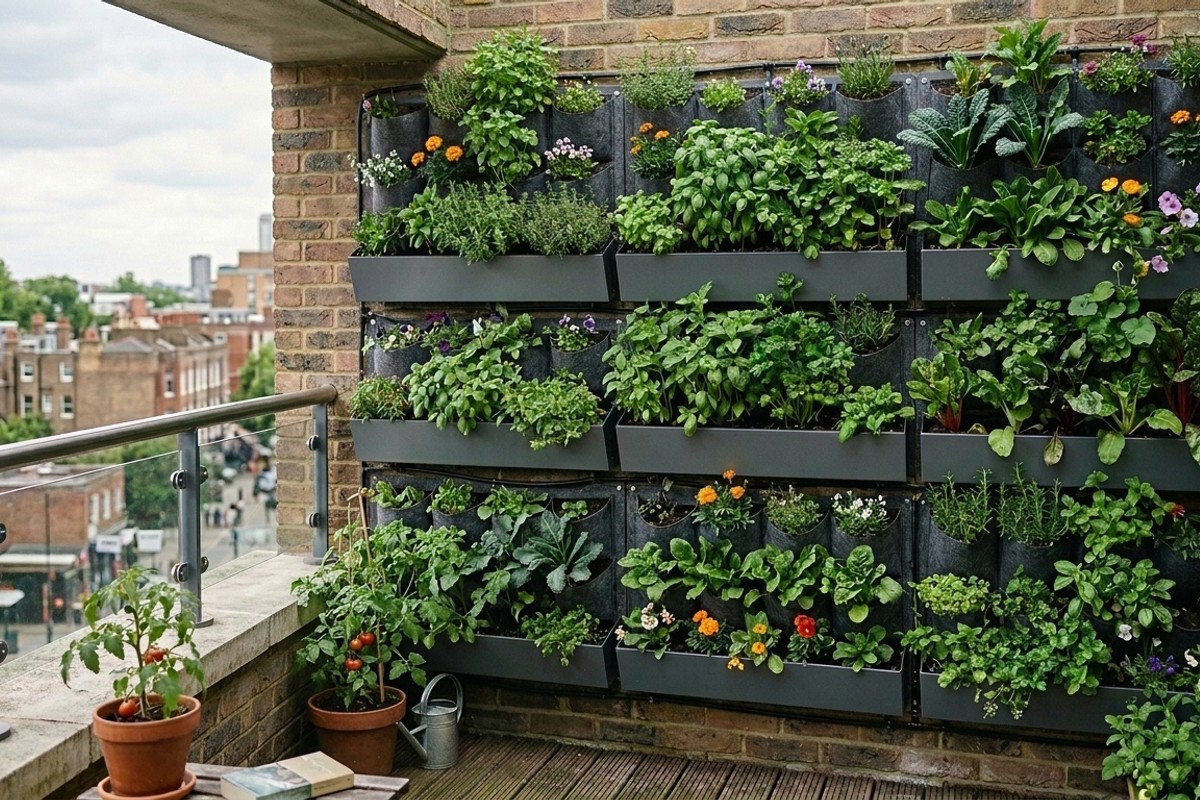
For compact urban spaces or simply to add a dramatic architectural element, vertical gardens and green walls are ingenious sustainable garden ideas. These systems maximize planting potential in a minimal footprint, enhancing air quality and providing natural insulation.
Utilize modular planters, repurposed pallets, or custom-built trellises to grow herbs, small vegetables, or ornamental plants upwards. A living wall can create a stunning backdrop, cool your home, and absorb noise, all while contributing to a healthier, greener environment. It’s an innovative approach to eco-conscious landscaping.
9. Sustainable Material Garden
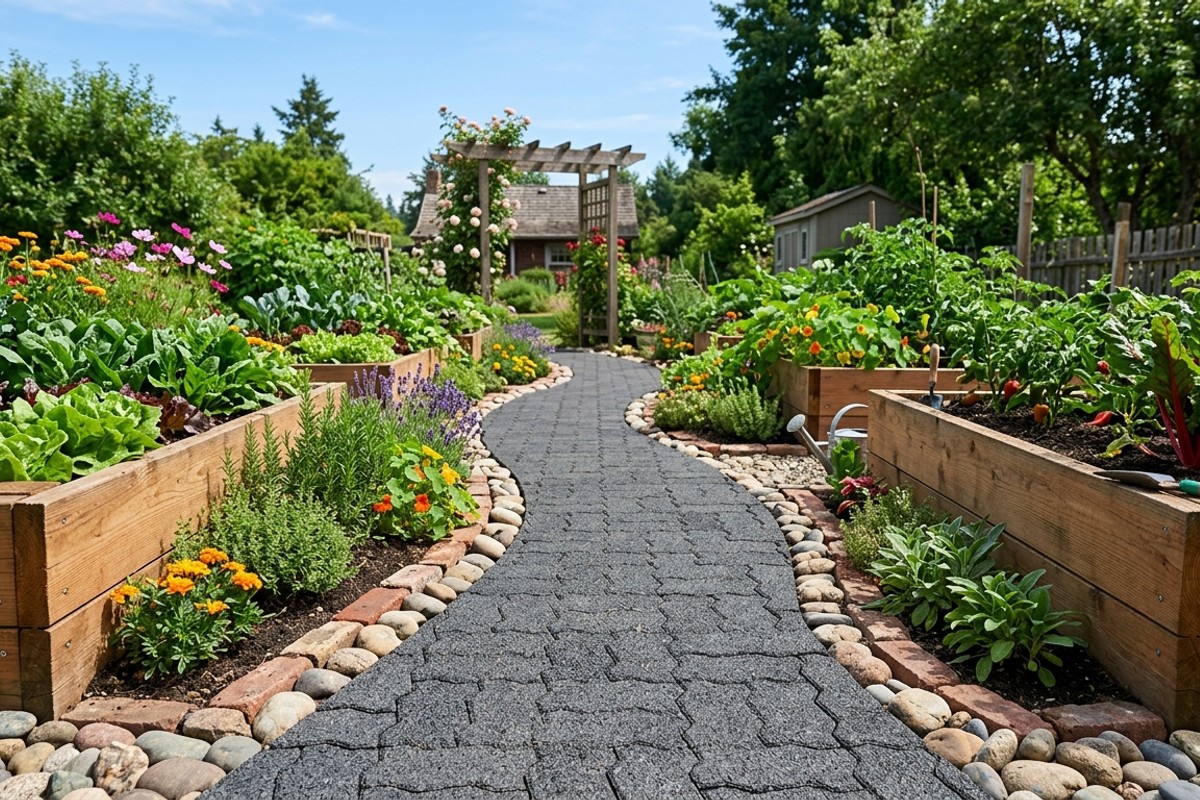
The materials you choose for paths, raised beds, and decorative elements profoundly impact your garden’s eco-footprint. A sustainable material garden prioritizes reclaimed, recycled, locally sourced, and durable options to minimize environmental impact.
Opt for permeable pavers made from recycled rubber, use reclaimed brick or natural stone for pathways, and build raised beds from sustainably harvested cedar or repurposed composite lumber. Consider benches made from recycled plastic or metal. Every choice contributes to a more holistic and environmentally friendly garden design.
Final Thoughts
Embracing eco-friendly garden designs allows you to cultivate a backyard that is not only beautiful but also works in harmony with nature. Whether you start small with a rain garden or commit to a full native plant sanctuary, every sustainable choice makes a difference.
Which of these sustainable garden ideas has inspired you the most for your own outdoor space? We’d love to hear your thoughts and see your creations!
Frequently Asked Questions
We hope you found your next Garden inspiration!
Thanks for visiting us!